
The discussion featured Andrii Yanevskyi, Ambassador Extraordinary and Plenipotentiary of Ukraine to the Kingdom of Denmark; Stefan Welin, Deputy Head of the European Commission Representation in Denmark; and Natalia Omelchuk, coordinator of educational projects at the Pylyp Orlyk Foundation and author of the program. The conversation was moderated by Lesia Ihnatyk-Eriksen, head of the organization Hjælp Ukrainske Børn and advisor to the Ukrainian Parliament Commissioner for Human Rights in Denmark.
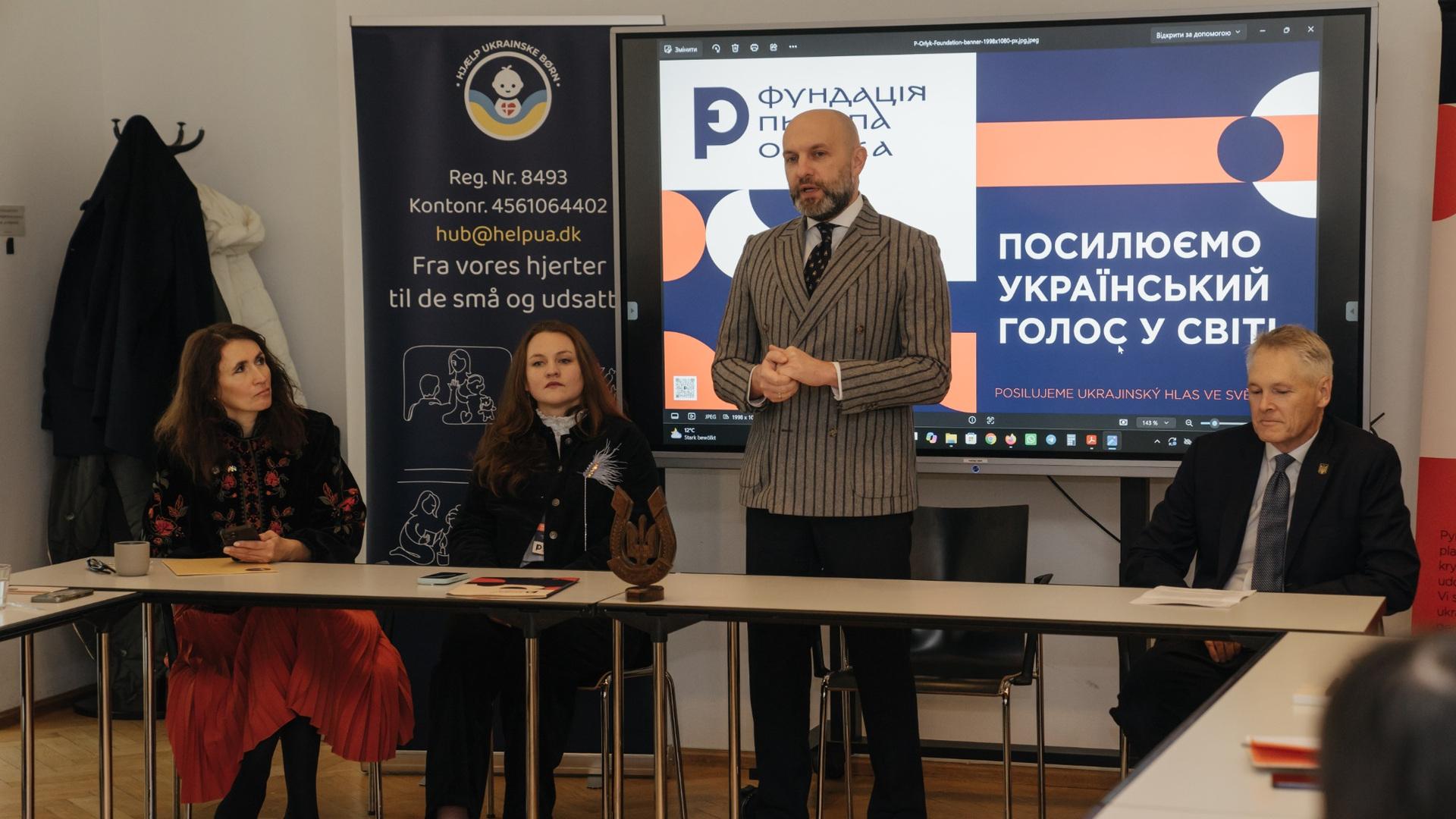
Participants discussed how Ukrainian children abroad can maintain their connection with Ukraine, integrate in their host countries, and receive the educational, psychological, and pedagogical support they need.
Stefan Welin emphasized that support for Ukrainian children in Europe should include not only ensuring their safety, but also caring for their emotional well-being and preserving their identity.
“Efforts to maintain these children’s connection with Ukraine should not conflict with their integration here. On the contrary, preserving their Ukrainian identity will help them integrate better into the country they have come to”, he noted.
According to Welin, Ukrainian children have found themselves in a different education system and often remain caught between two formats. Ukrainian teachers play an important role in this process by helping children keep their connection with their homeland.
The Ambassador of Ukraine to Denmark, Andrii Yanevskyi, thanked the teachers who continue to pass Ukrainian culture on to children abroad.
“I want to thank all of you for continuing, despite everything happening in your lives, to nurture what is Ukrainian in yourselves and to pass it on to children. Because the future lies in this. Children who keep this thread of connection with their homeland, regardless of circumstances and wherever in the world they are now — this is exactly where our Ukrainianness will manifest itself in the future.”
He also drew attention to the double educational workload children carry as they study in schools of their host countries while also mastering the Ukrainian curriculum.
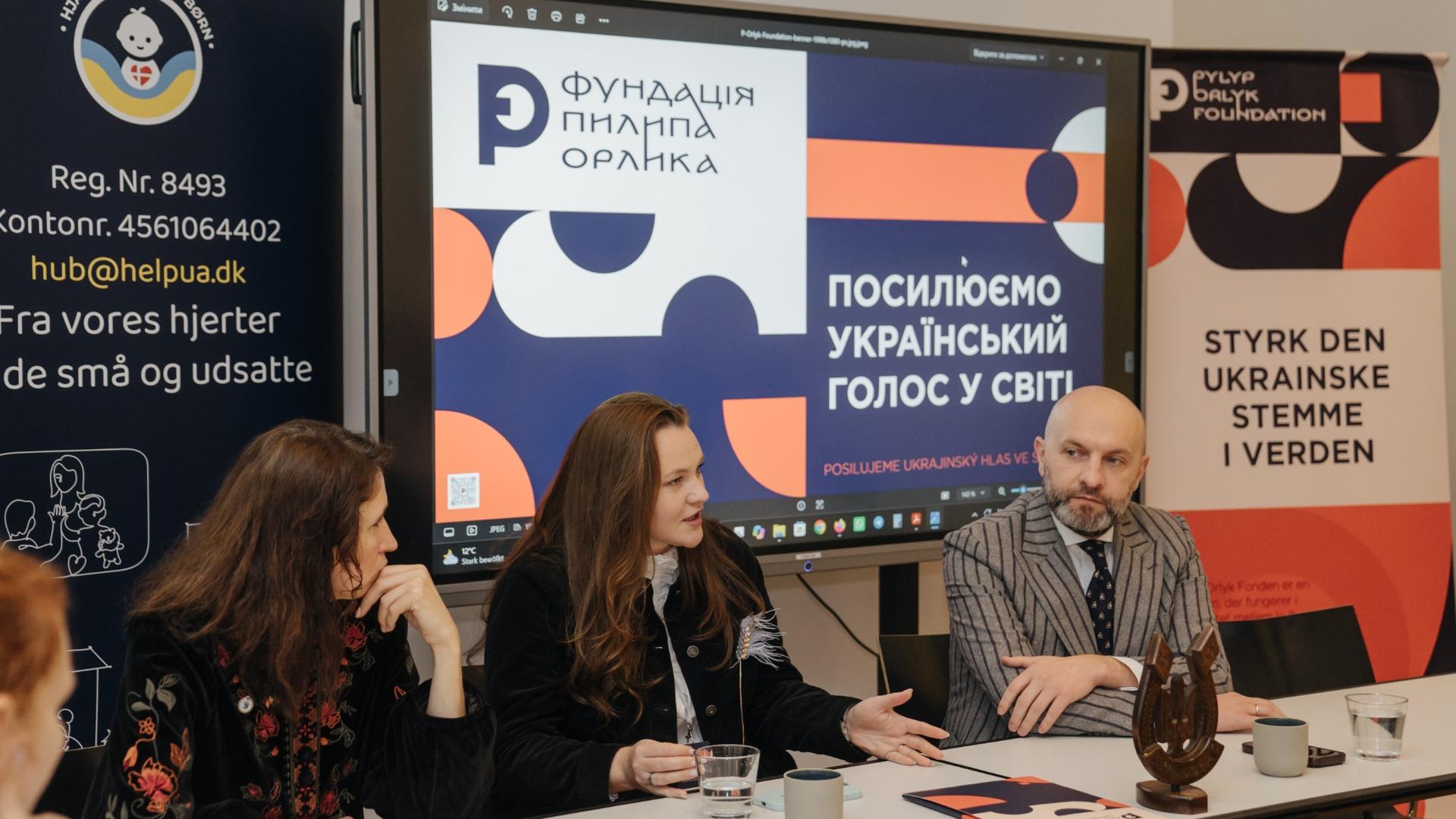
“Maintaining this dual education is difficult; it is hard for children. I think you see this yourselves in the children you teach”, Yanevskyi told the educators.
In his view, it is important to present Ukrainian history and culture to children not only through the experience of war and suffering, but also through positive knowledge about Ukraine and pride in it.
“Despite the difficult circumstances and the hard situation at home, you know, it has finally become cool to be Ukrainian. We should be proud of this and use this window of opportunity so that the world learns about us from a different side — not only through war and suffering. And this is what you instill in children”, Andrii Yanevskyi emphasized.
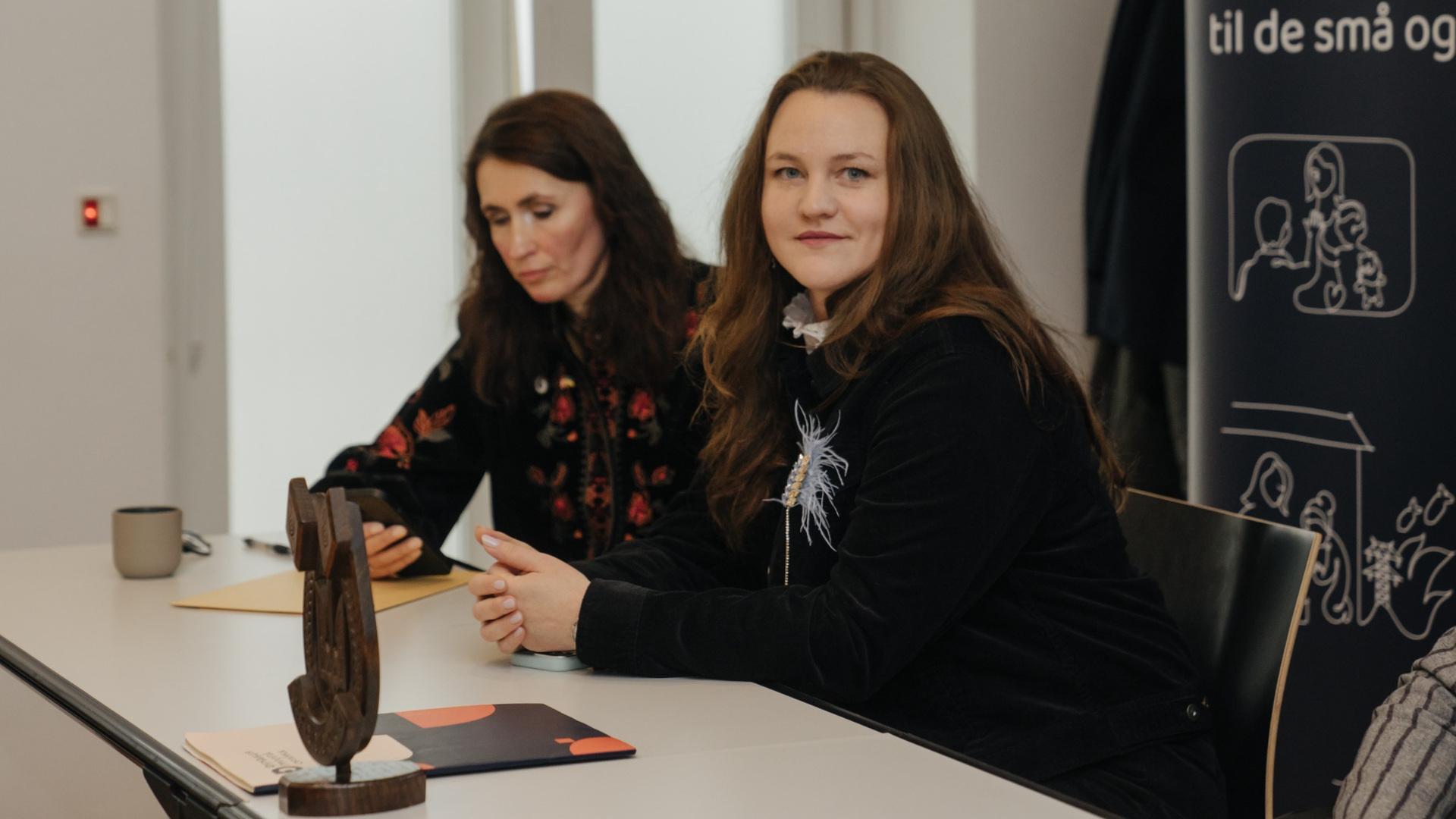
Natalia Omelchuk explained that the mentorship program is based on her “Spohady v Korobkakh” (Memories in Boxes) methodology, in which the museum becomes an educational space and objects and exhibits become sources of knowledge.
After the full-scale invasion, having found herself in Poland with her children, Natalia Omelchuk joined a Ukrainian educational hub. There she saw the need not so much for a new textbook as for a different approach to teaching history.
“Many children have experienced war, and the learning space must be, in addition to a place of learning, also safe — both in discussion and in activities,” the program’s author explained.
The idea of mentorship emerged in cooperation with the Pylyp Orlyk Foundation.
“We realized that by supporting teachers, we support more children than if we took on one particular group”, said Natalia Omelchuk.
The program involves not a one-time meeting, but mentorship, learning materials, and tools for working with children. Its goal is to help teachers teach history using the knowledge children gain in their host countries, and not to set the two education systems against each other, but to strengthen learning in both.
Lesia Ihnatyk-Eriksen, who represents the civil society sector and works with Ukrainian children in Denmark, highlighted the importance of cooperation between educational and cultural organizations.
“We have seen how much benefit this brings to the Ukrainian children who are here and to the Saturday schools,” she said, recalling previous meetings for Ukrainian teachers in Denmark.
During the discussion, educators also raised questions about supporting children in family-based education, methodological materials for Ukrainian hubs, opportunities for teachers’ professional development, and access to funding.
Participants stressed that the need to support Ukrainian families abroad will not disappear as long as the war continues, and that Ukrainian educational hubs remain important places for preserving language, history, and cultural identity.
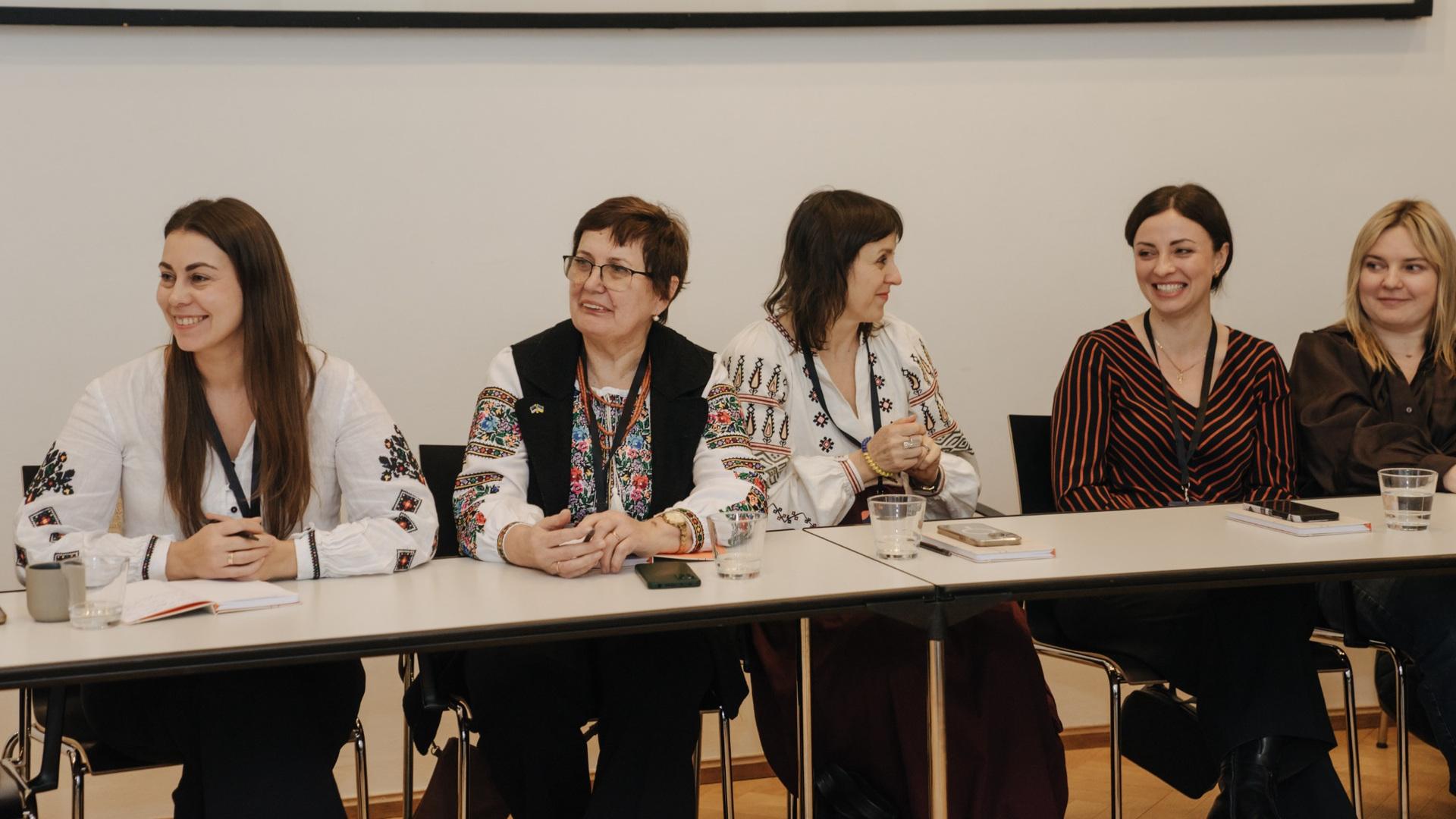
After the panel discussion, program participants began their practical training. The first in-person module in Copenhagen is dedicated to the “Spohady v Korobkakh” (Memories in Boxes) methodology and its application in teaching the “Introduction to History” course for children aged 10–12.
The first in-person module of the program will run until November 29, 2026, in Copenhagen. The program will bring together Ukrainian schools and educational hubs from eight countries — Denmark, Sweden, Finland, Norway, Estonia, Latvia, Lithuania, and Germany.
The mentorship program “Koreni ta Kryla” (Roots and Wings: A History That Unites) is implemented by the Pylyp Orlyk Foundation with the support of the International Renaissance Foundation, the Embassy of Ukraine to the Kingdom of Denmark, and the non-governmental organization Hjælp Ukrainske Børn.


