
For three days in Kyiv, history teachers tested an approach that is set to transform how history is taught — the “Memory Boxes” methodology. This was not another standard pedagogical seminar, but rather an attempt to see what happens when, instead of a textbook, a child is given a box, some objects, and a question: “What do you see here? And what story does this tell you?”
A Methodology Born from the Experience of War
The methodology was developed by Natalia Omelchuk, educational projects coordinator at the Pylyp Orlyk Foundation. Her approach did not emerge from theoretical research, but from the lived experience of war, displacement, and working with children across different countries. In her methodology, the box is not merely a container — it is a working tool of memory. It holds copies of artifacts, photographs, symbolic objects, and much more. Students engage with these materials as researchers: asking questions, forming hypotheses, making comparisons. They also visit museums.
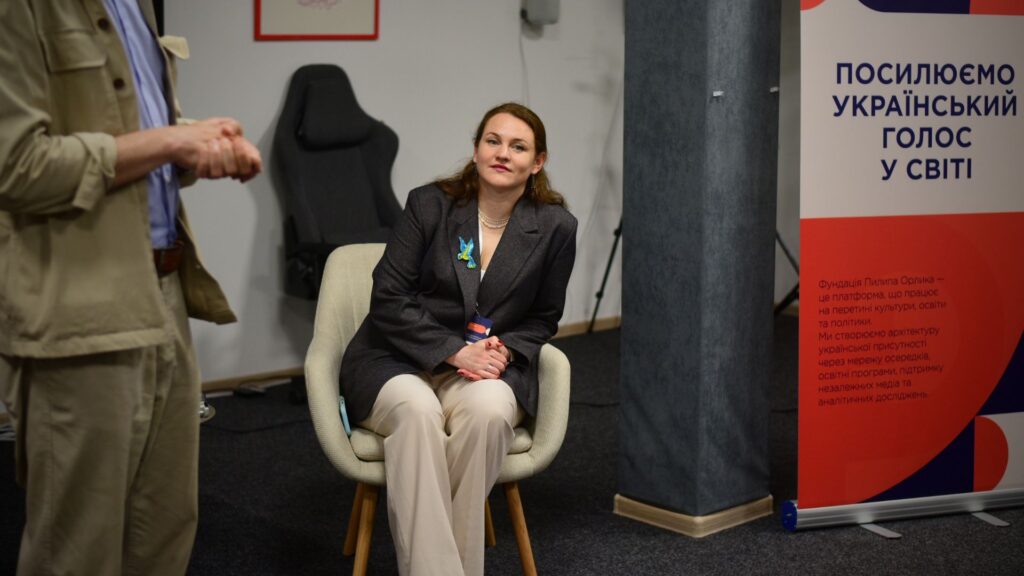
“Museums become educational spaces, and students become researchers. Through the boxes, they do not simply study history — they interact with it,” explains Natalia Omelchuk.
More than 80 applications were received from educators seeking to participate in the first programme of this kind in Ukraine. Twenty-five teachers were selected.
“The most important criteria were motivation and readiness to implement new approaches. We wanted teachers who were genuinely prepared to change the way history is taught,” adds Natalia Omelchuk.
Voices from Participants: From Lviv Region to Kharkiv
Mykhailo Skrypka — a history teacher from Zhovkva in Lviv region with fifteen years of experience — travelled to Kyiv with a specific goal: to make lessons for fifth- and sixth-grade students more engaging. For him, history has long ceased to be about dates:
“History should not be a set of dates, but a living experience that helps us understand ourselves and the world. What struck me most here was how museum exhibits can ‘speak’ to students. It is not simply an excursion — it is a way of thinking. The exchange of practical experience with colleagues from different parts of Ukraine was equally valuable.”
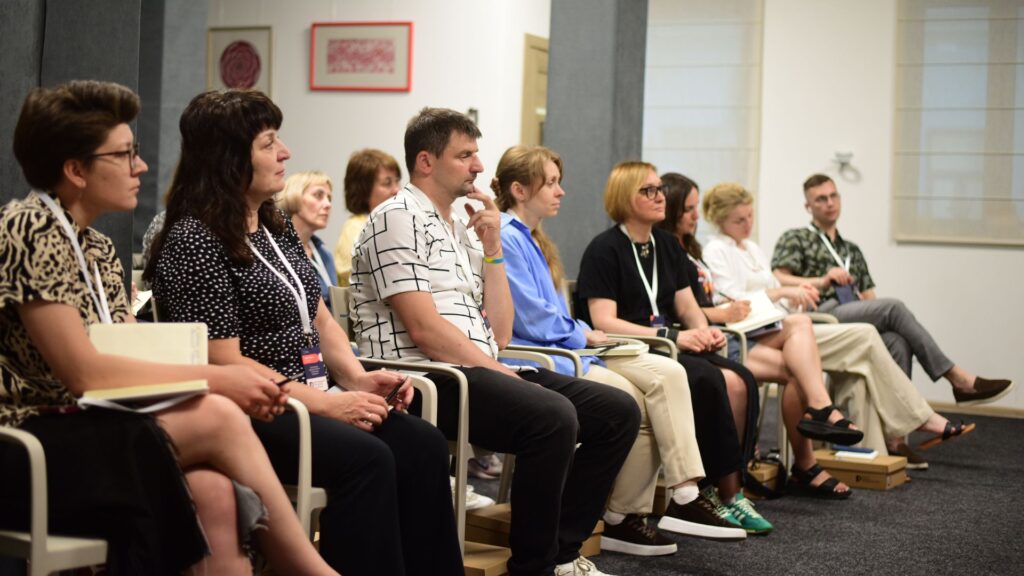
He is already planning to adapt the methodology to a local context — the history of the Zhovkva region, working with family histories, artifacts, and oral testimonies.
Iryna Yakymchuk, director of Shepetivka Secondary School No. 8, came from Khmelnytskyi region hoping to gain practical tools. She says the programme delivered — and that the methodology requires not large resources, but a shift in mindset.
“We teachers are currently struggling to spark students’ cognitive interest. And these practical tools — museum pedagogy, working with objects — genuinely work,” summarises Iryna Yakymchuk.
Olha Lehkoshkur, who teaches history in Kharkiv — a frontline city — learned about the programme almost by chance, through a notice at an educational space. From the three days, she took away very specific tools:
“First — a timeline. Second — flashcards. Third — an interactive notebook with envelopes. And most importantly — the inspiration to teach history in a new way.”
The Museum as a Space of Discovery
The teachers visited exhibitions at the National Museum of the History of Ukraine on several occasions. Lesia Khlypavka, a history teacher from Cherkasy, admits she had not been to the museum in a long time — and what she saw left a profound impression:
“I remember this museum being different. Now — it is wow. It is a place where you want to stay for a long time. Every visit, you notice something new. It is like beads on the thread of Ukraine’s broader history.”
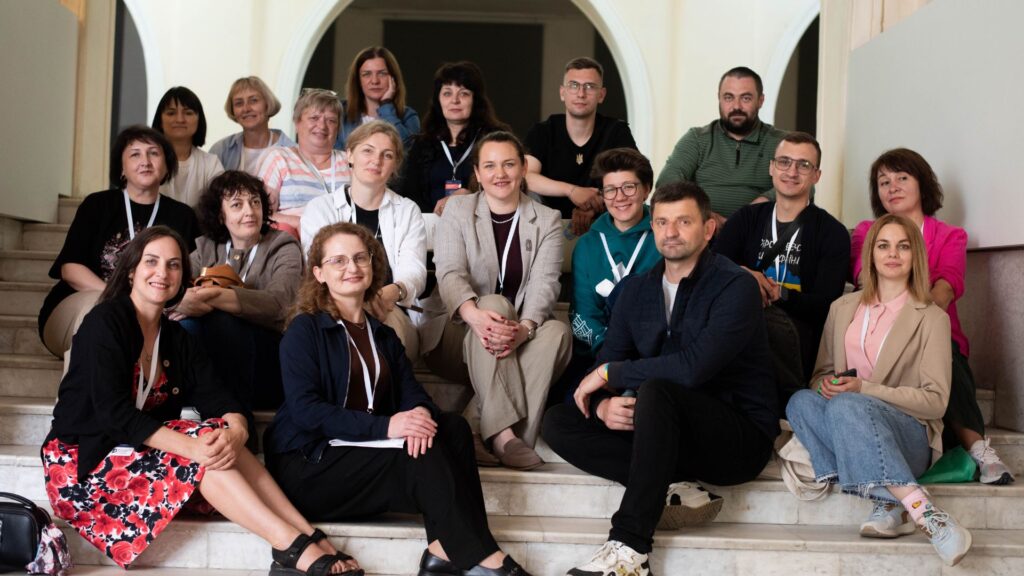
Artem Mykolaichuk, Chairman of the Board of the Pylyp Orlyk Foundation, speaks about the programme without academic detachment — more as a practical instrument of impact:
“I supported this idea because it can help children — not only in Ukraine, but beyond its borders. It is important that teachers not only gain knowledge, but carry it further — into their classrooms, to their students.”
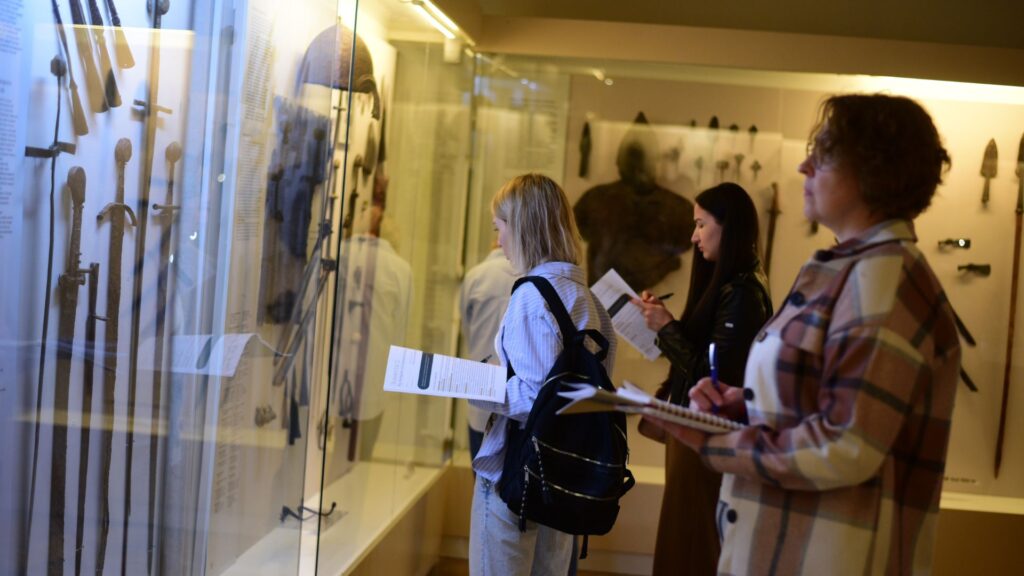
The participants also attended several exhibitions at the National Museum of the History of Ukraine, completed a basic first aid course, and met with Ambassador Extraordinary and Plenipotentiary of Ukraine and Candidate of Historical Sciences Ihor Kharchenko, Candidate of Historical Sciences and Deputy Director General of the National Museum of the History of Ukraine Oleksii Savchenko, and Head of the Information and Exhibition Department of the National Museum of the Revolution of Dignity Anastasiia Haidukevych-Kachuro.
Two More Meetings Ahead
The team of teachers will meet twice more in Ukraine. The upcoming sessions will focus on working with difficult historical topics and integrating ethnopedagogy into school practice.
Earlier, as part of the “Roots and Wings: History That Unites” project, as we previously reported, meetings with Ukrainian history teachers were held in Denmark and the Czech Republic.


