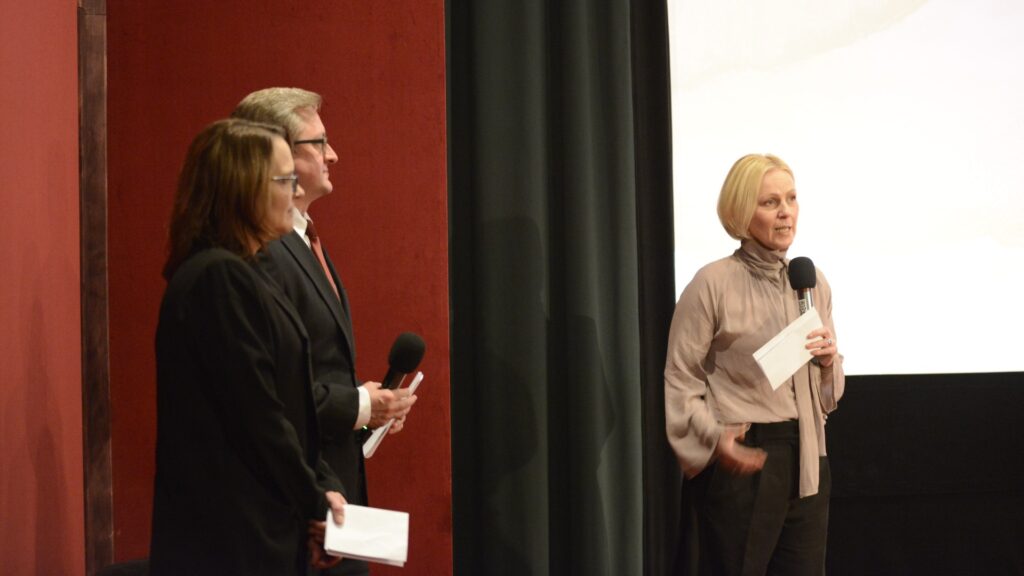
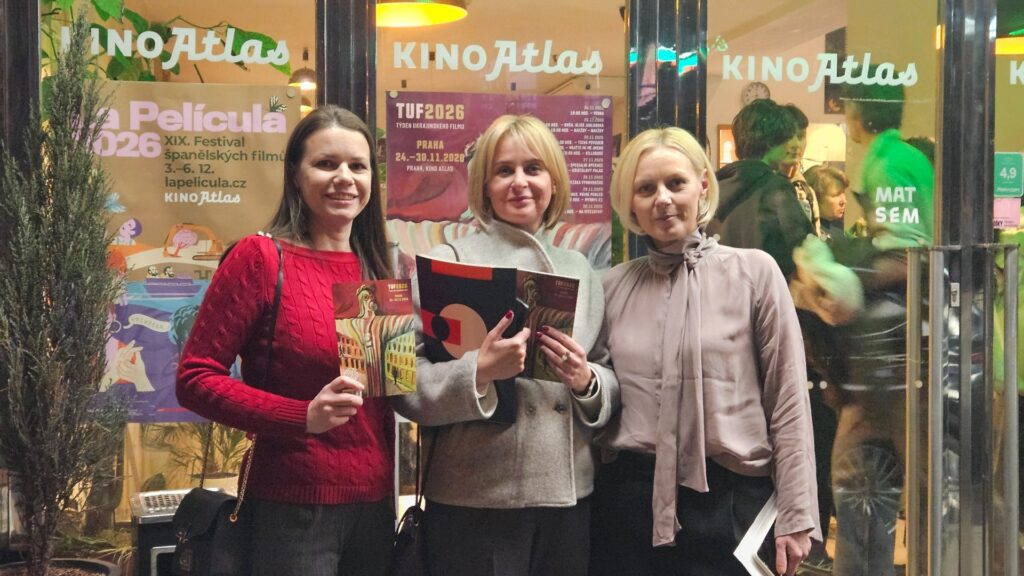
Ukrainian Cinema Week in Prague was launched in 2017. Since then, its goal has remained unchanged — to tell Czech audiences about Ukraine through the language of cinema, to present the Ukrainian experience and to counter Russian propaganda.
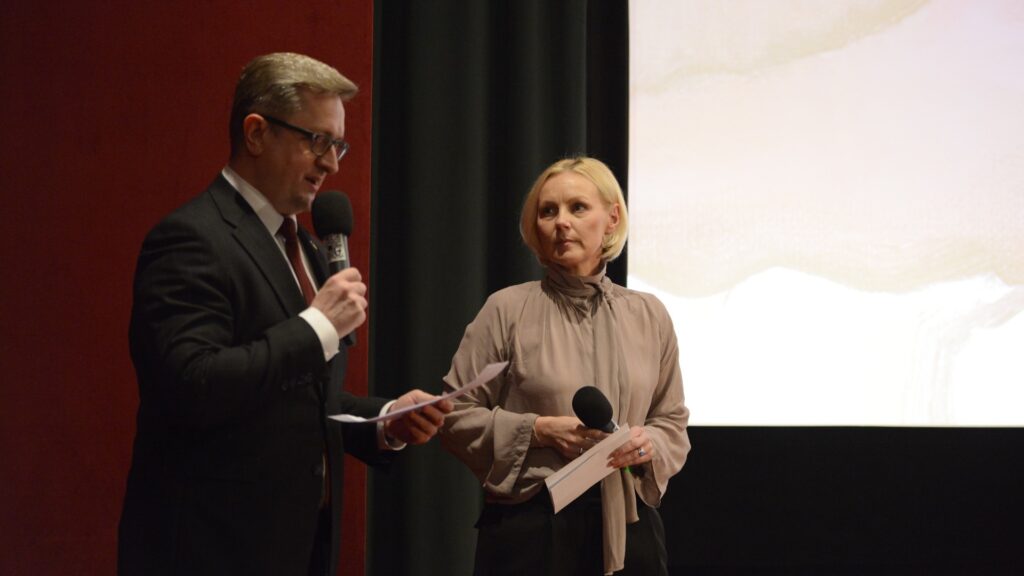
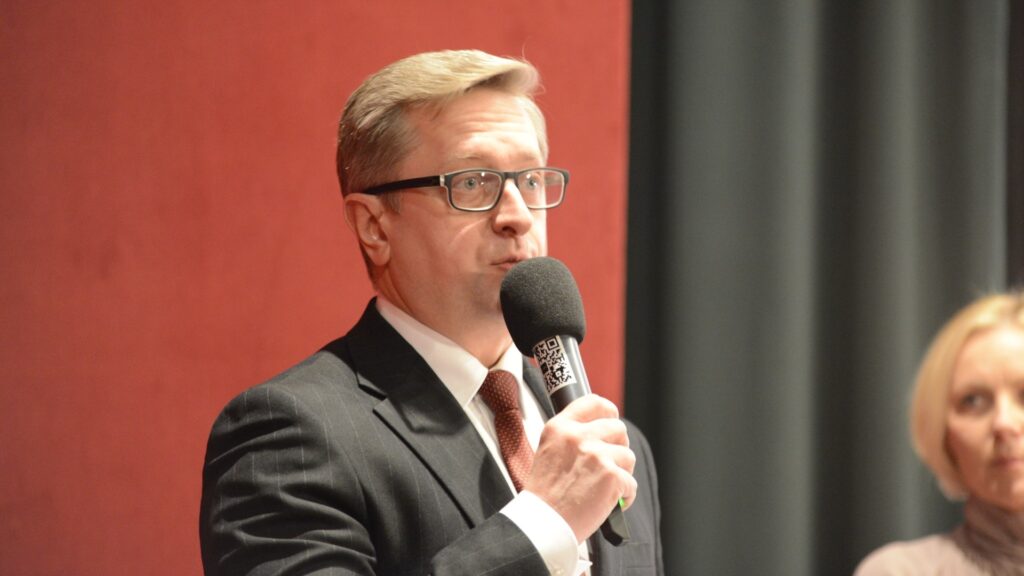
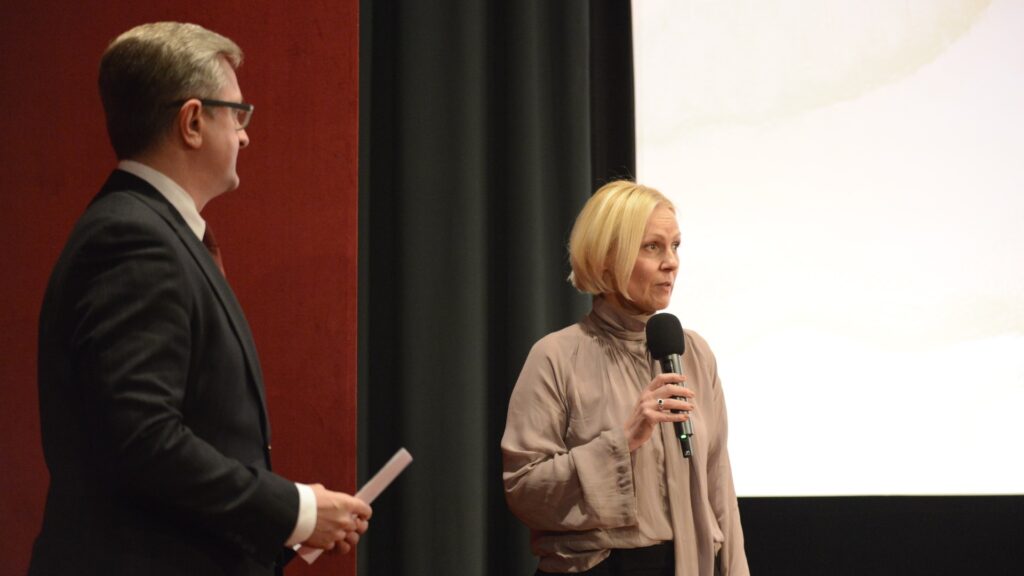
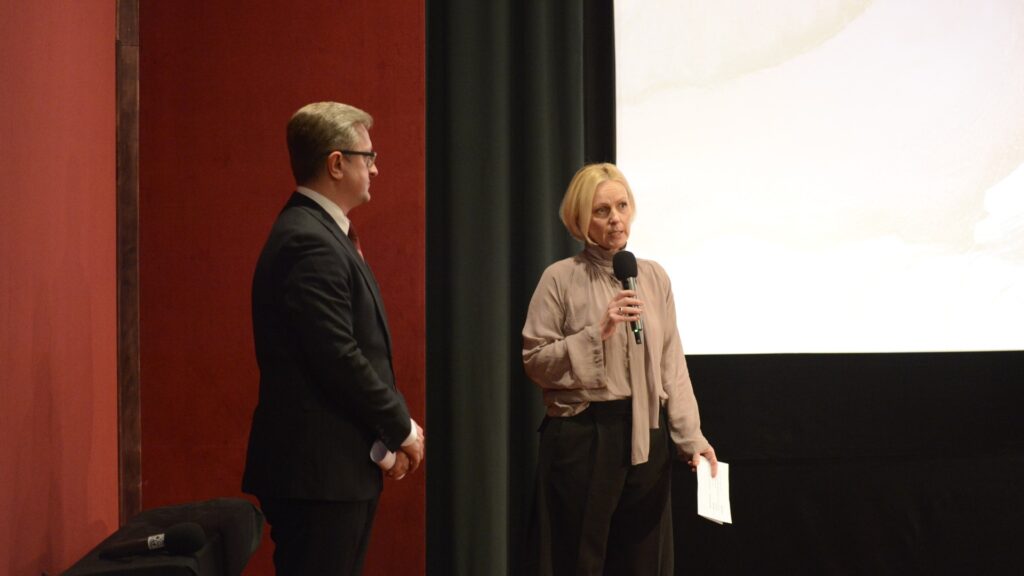
“We decided to help Ukraine in so-called cultural diplomacy. A lot has changed since then, but the goal is the same — to convey truthful information from Ukraine to the Czech Republic”, said the festival’s program director and Ukrainian studies scholar Lenka Víchová.
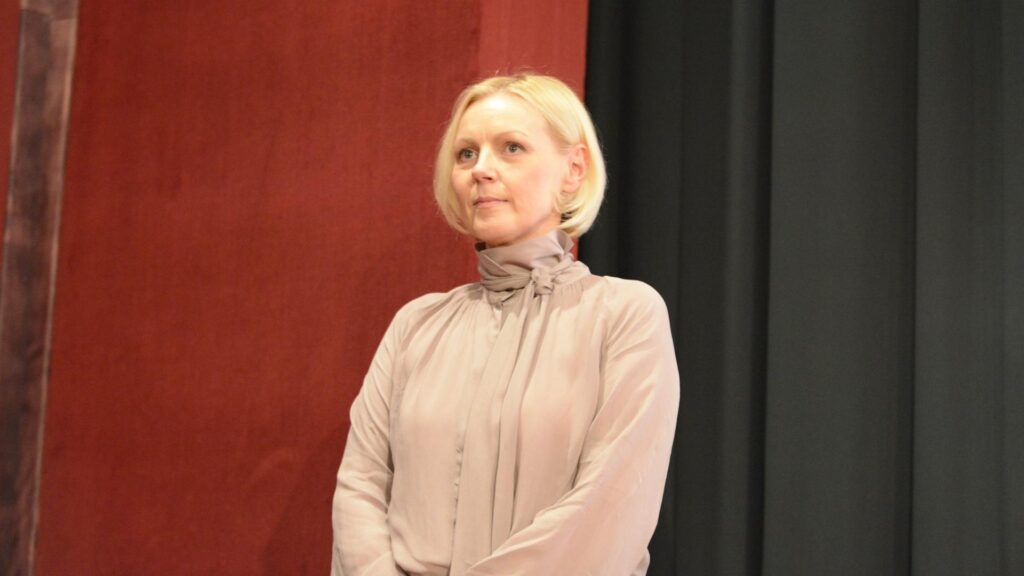
According to her, the program is shaped not by what Czech viewers are used to seeing or expect from Ukrainian cinema, but first and foremost by what the organizers want to tell them.
“We do not focus on what the Czech viewer wants. We focus first of all on what we want to tell the Czech viewer”, emphasized Lenka Víchová.
This year’s program covers various aspects of the Ukrainian experience — from documenting war crimes and working with memory to the stories of people trying to preserve their families, their own dignity and the right to create.
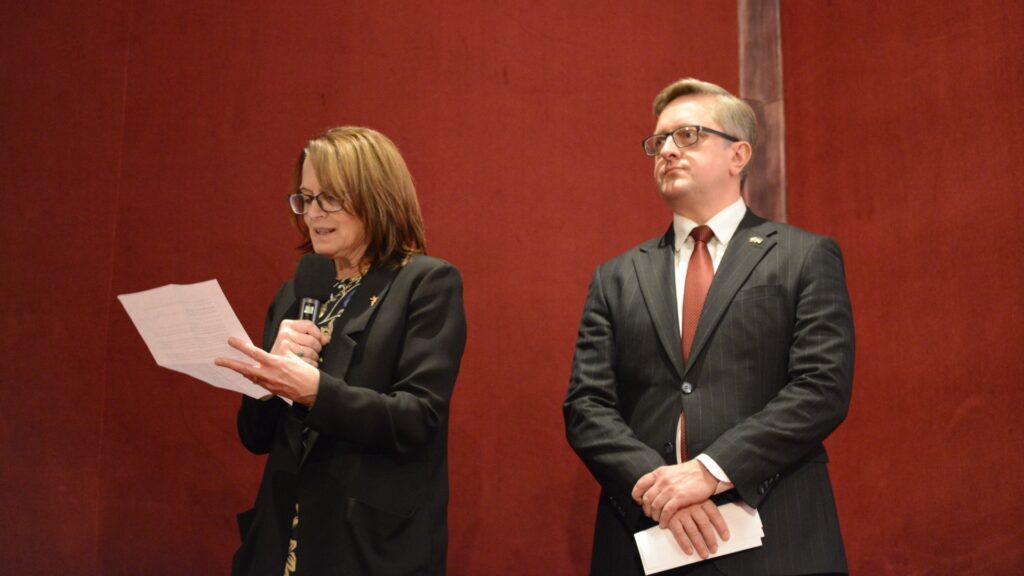
Member of the Board of the Pylyp Orlyk Foundation Svitlana Kvitnytska stressed that supporting Ukrainian cultural projects abroad is an important part of the organization’s work. According to her, such events help Ukrainians and Czechs understand each other better, feel support and maintain a connection with Ukraine.
“It is important for the Pylyp Orlyk Foundation to support everything that strengthens Ukraine’s voice in the world. This June, Russian missiles hit the Dovzhenko Film Studio. The largest collection of costumes in Ukraine, gathered over almost a hundred years of our cinema, burned down. And this week, here in Prague, you will see the film “Dovzhenko. First Look” about how the young director took his first steps in creative work. A studio bearing his name can be shelled, but his story continues to be told. That is why culture is immortal and has no borders”, said Svitlana Kvitnytska.
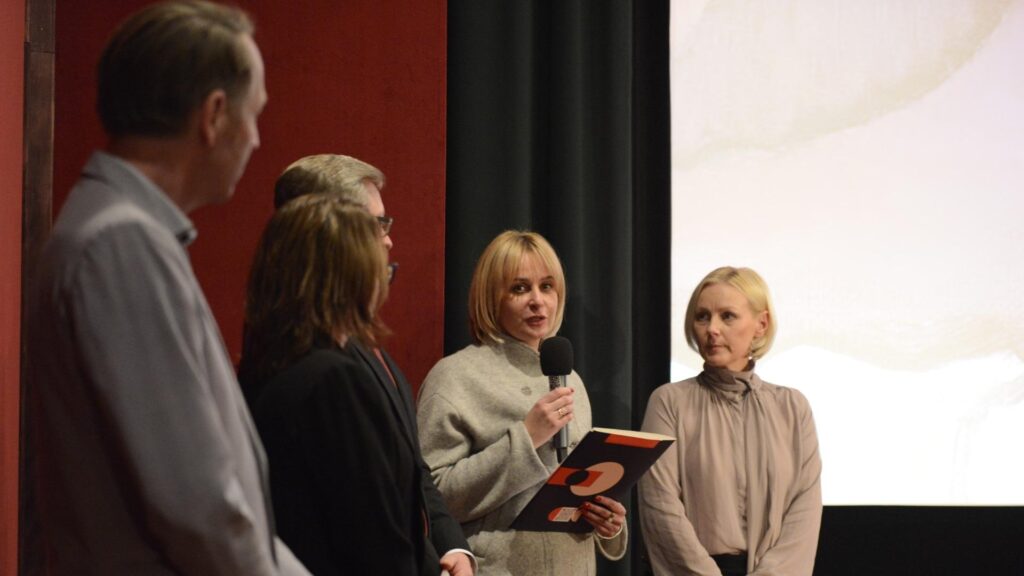
The festival opened with the war drama “Spring” directed by Rostyslav Kyrpychenko. The film tells the story of a priest, Andrii, who during the Russian occupation turns to quiet resistance as a way to preserve his humanity and faith.
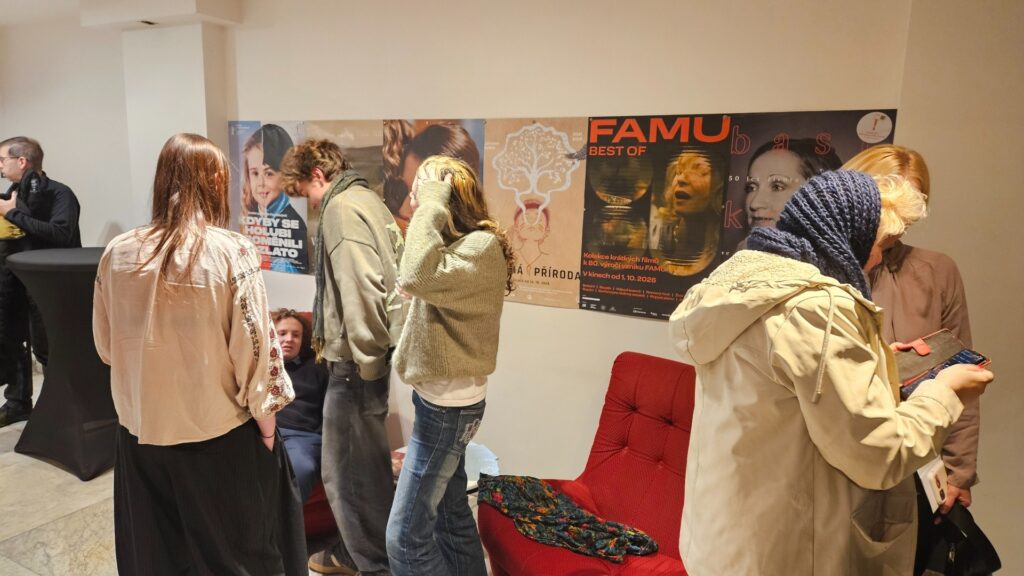
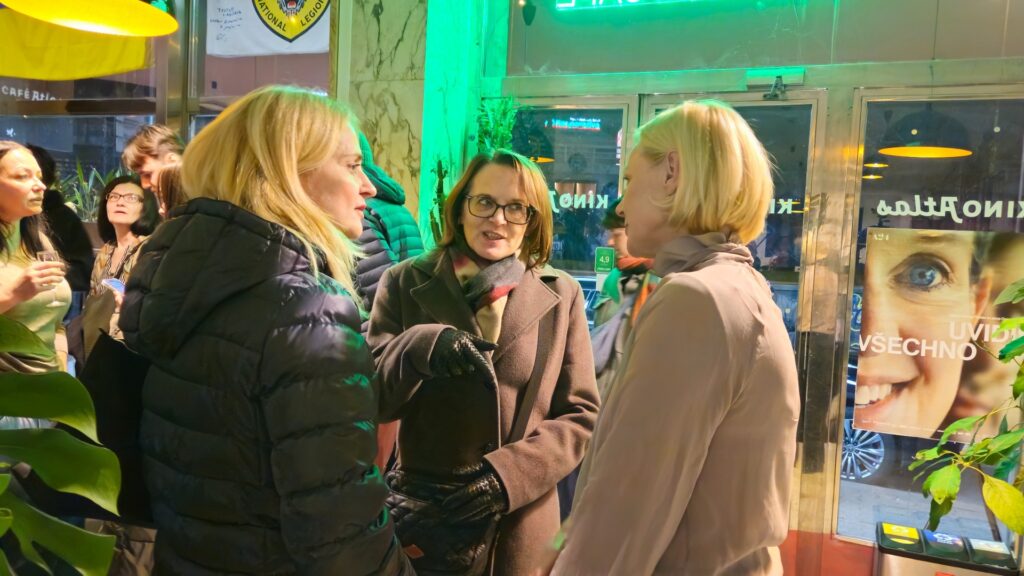
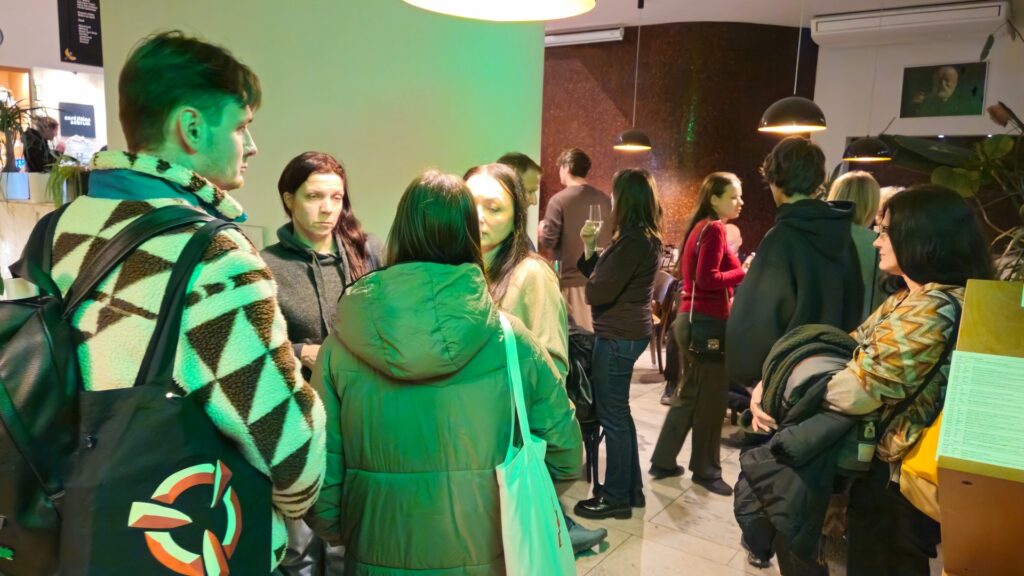
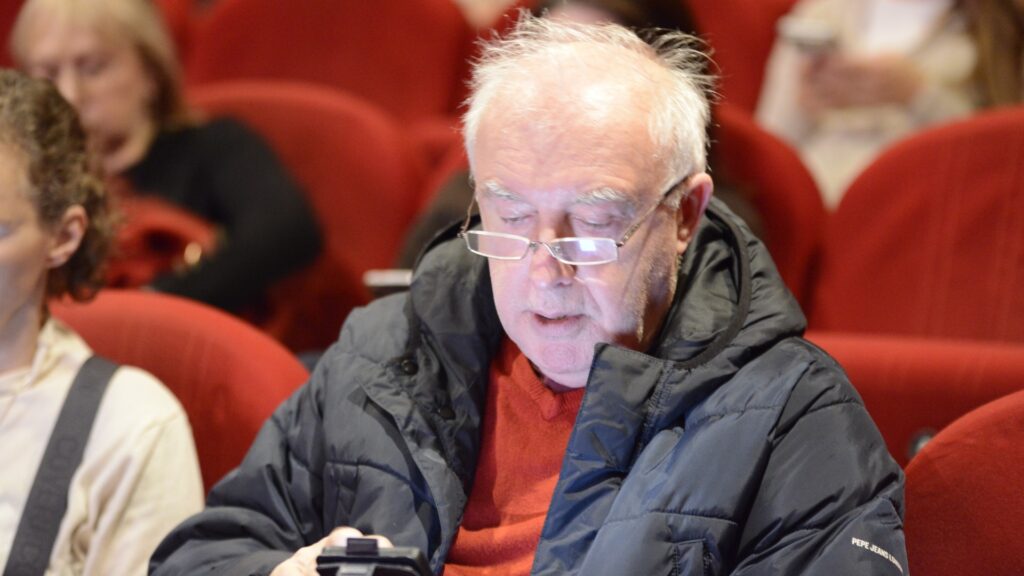
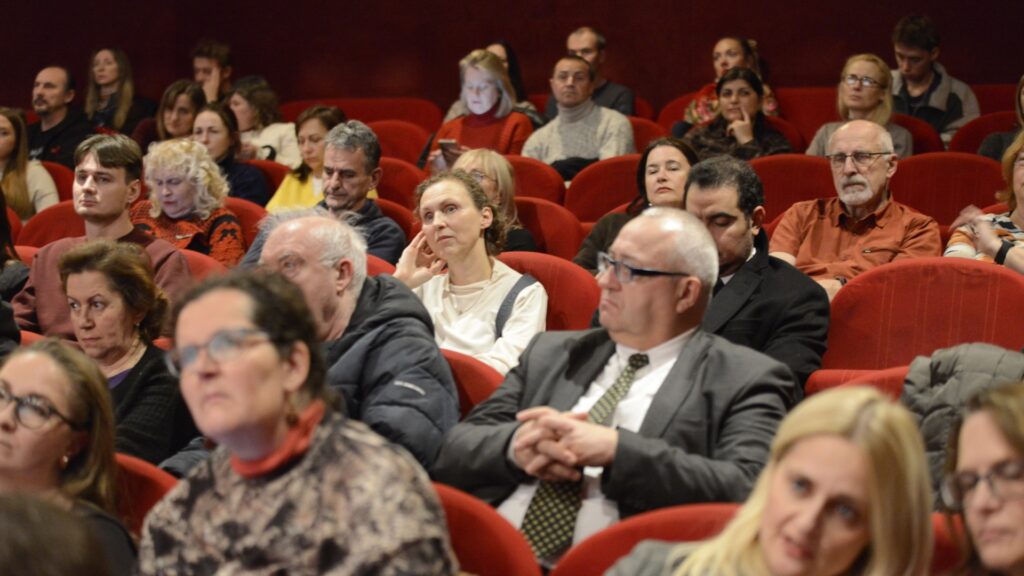
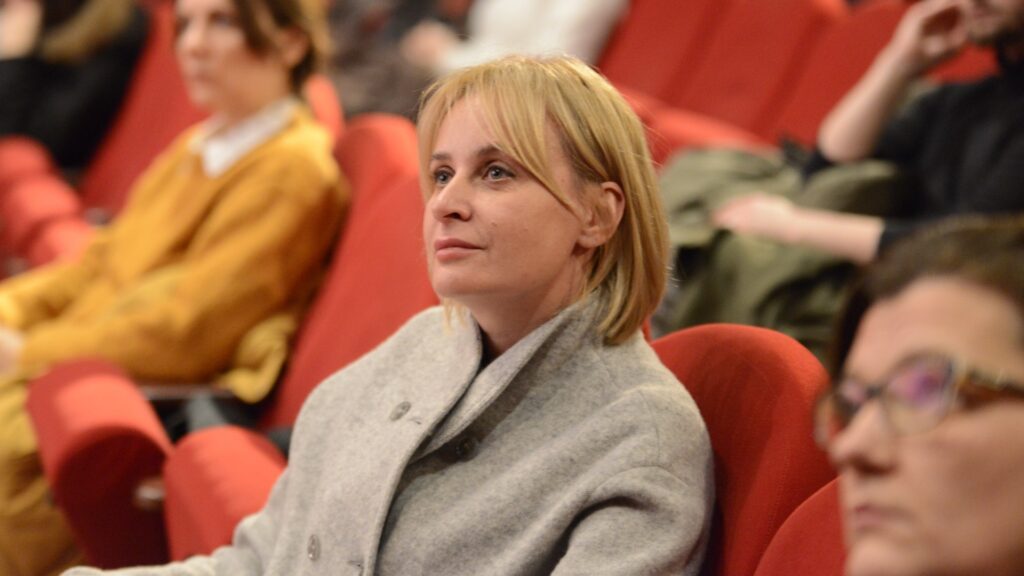
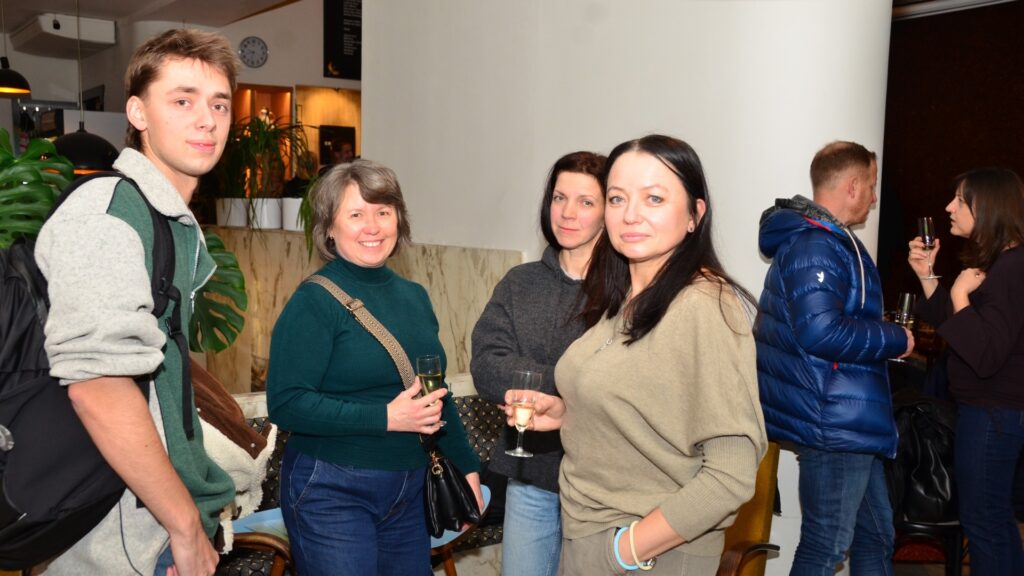
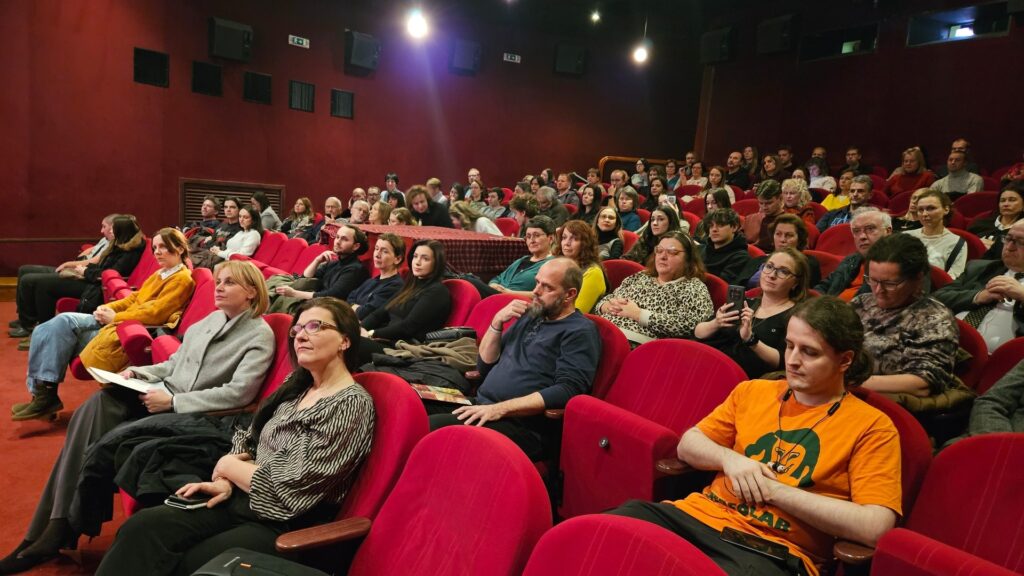
After the screening of “Spring”, viewers spoke about how heavy the film is, its emotional power and the need to show such stories outside Ukraine.
Mariia Dubanevych, who has lived in Czechia for over 30 years, attends the opening of Ukrainian Cinema Week every year. This year’s film, she said, was especially profound.
“Even those who live in Ukraine cannot fully imagine what people under occupation go through. Those who live in other countries are even further from understanding it. Even though this film is hard, such films need to be shown, especially abroad”, she shared.
Olena Bezushko, who has lived in Czechia for ten years, came to the festival with her mother. After the start of the full-scale invasion, she brought her out of Ukraine, where fighting continues.
“For us this is a very important and personal topic. We came to the opening and bought tickets for more than one film. This is very important to us: for all of this to end. We really want peace”, said Olena.
Larysa Bezushko, who came to Czechia from Mykolaiv in 2022, also attends the Ukrainian film festival every year. According to her, watching such films takes her back to what she lived through at the beginning of the full-scale war.
“What I went through there in the first days is not forgotten. It is probably a pain for life. These films touch very precisely on what I went through. I want to see this truth”, she said.
Festival visitor Olha Ivanova stressed the importance of telling the world about events in Ukraine.
“It is very hard to live through this. It is important to show the whole world what is happening in Ukraine and that we must fight for people, for freedom, for the country and for the truth”, she noted.
Ukrainian Cinema Week is held with the support of the Pylyp Orlyk Foundation and the British Council in the Czech Republic, in cooperation with the NGO Ruta, z. s., film distributor Kinovarta, the Ukrainian Service of Radio Liberty and the One World (Jeden svět) film festival. The event is held under the patronage of the Embassy of Ukraine in the Czech Republic.
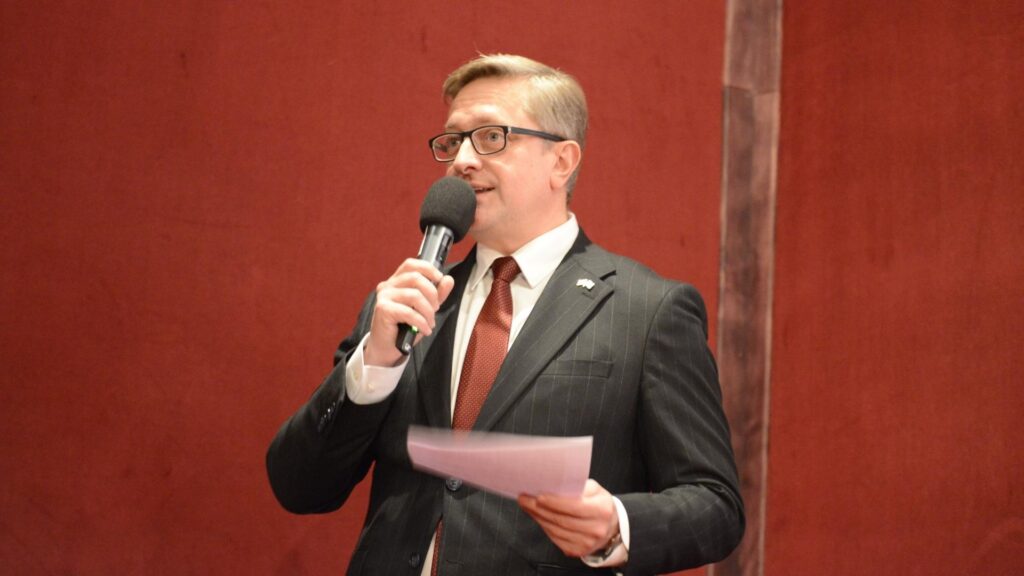
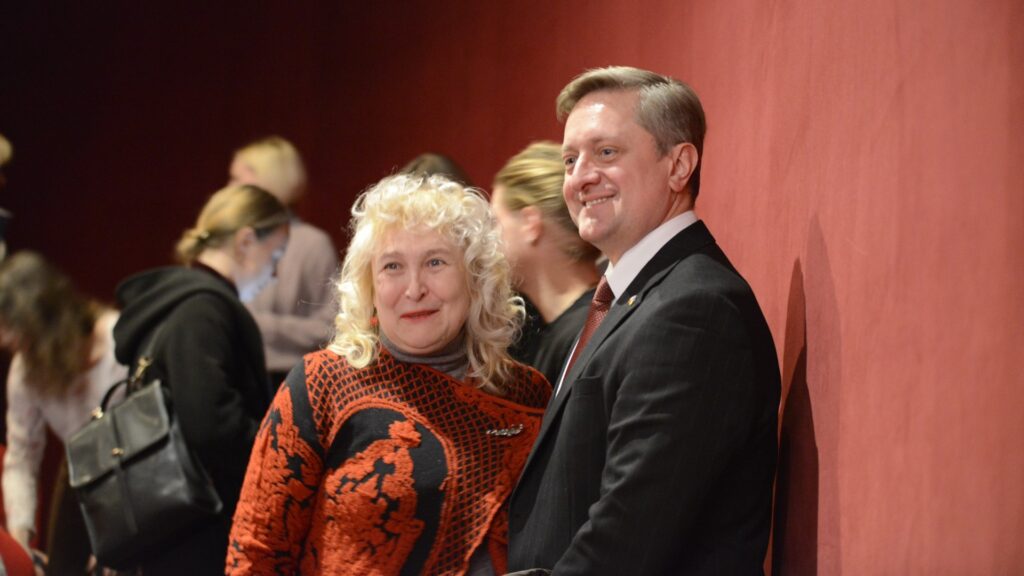
Ambassador Extraordinary and Plenipotentiary of Ukraine to the Czech Republic Vasyl Zvarych thanked the festival’s organizers and partners for supporting Ukrainian cinema and stressed its significance during Russian aggression.
“Ukrainian cinema is experiencing a renaissance. But these are not only works of art, they are also a very clear message to the world — how important it is to support Ukraine”, noted Vasyl Zvarych.
The Ambassador pointed out that many Ukrainian directors, actors and other members of the film industry are today defending the country with weapons in their hands. According to him, Ukrainian cinema unites not only Ukrainians but also the democratic world around supporting Ukraine.
“A Ukrainian film is not just cinema, it is a message to the international community. If we want a truly free and independent world, we need to support Ukraine’s freedom”, emphasized Zvarych.
One of the key films of this year’s program was the documentary “Give Me Back My Name” by Radio Liberty war correspondent Marian Kushnir. The film tells about the return of the bodies of fallen Ukrainian soldiers, their identification and the families searching for their missing loved ones.
For the author, screening the film in Prague is an opportunity to bring this story to the widest possible audience.
“It is an honor both for me and for Radio Liberty to present the film in Prague at this festival. It is important that the audience that can see this film is growing”, said Marian Kushnir.
According to him, the film tells about people who work devotedly to return names to missing soldiers, and about those who gave their lives so that others could be returned. Marian Kushnir would like viewers, after watching, to reflect on what is happening in Ukraine and in the world, as well as on the experience of families living in uncertainty.
“This film says that a very difficult moment awaits us even after the war ends. It is about the colossal work that someone will have to do”, he noted.
The journalist also urged viewers to think about how they can support organizations engaged in searching for the missing and identifying the dead.
Another Radio Liberty documentary — “Bucha. Yablunska” by Dmytro Dzhulai — reconstructs the events of March 2022 on Yablunska Street in Bucha, where Russian soldiers killed civilians. The film draws on surveillance camera footage, eyewitness testimony, documents and investigation materials.
Festival organizer Lenka Víchová called the documentaries an important part of this year’s program. According to her, “Give Me Back My Name” shows how hard the experience is for families who have not received the bodies of their loved ones.
“What families go through when even the bodies of their relatives have not been returned to them is a double torment for them”, she said.
For Vladyslav Khreshchanskyi, who was born in Ukraine and has lived in Prague for several years, attending the festival became a way to preserve the memory of events in Ukraine.
“I feel that I had to come here today to see this and to pass on what is happening. No matter how much it hurts, it simply has to be done by everyone who is capable of it”, he said.
The Ukrainian Cinema Week program includes 12 films of different genres and years of production. They will be shown in the original language with Czech subtitles.
The program covers documentary testimonies about the war, fictional stories about Ukrainians, historical dramas and films about artistic freedom.
Among the films are “Silent Flood” by Dmytro Sukholytkyi-Sobchuk about a religious community on the Dniester that, after the start of the full-scale invasion, joins in helping soldiers and civilians; “Killhouse” by Liubomyr Levytskyi — a tactical action film based on a true story of rescuing a person with the help of drones; and “Special Operation” by Oleksii Radynskyi, built on surveillance camera footage during the occupation of the Chornobyl Nuclear Power Plant.
Viewers will also be able to see the restored 1934 film “Crystal Palace” by Hryhorii Hrycher-Cherykover, the historical drama “Dovzhenko. First Look” by Kostiantyn Konovalov, the series “The Adventures of Cossack Vyhovskyi” by Semen Horov, the war drama “Myrnyi-21” by Akhtem Seitablaiev, as well as the films “Forever-Forever” by Anna Buriachkova and “To the Victory!” by Valentyn Vasianovych.
The festival will close on November 30 with the dramedy “To the Victory!” (a genre combining drama and comedy. — Ed.), which tells about a film director in post-war Ukraine, his creative struggles and the breakdown of families. The film won the award for best film of the Platform program at the 2025 Toronto International Film Festival and three awards at the 2026 Odesa International Film Festival.
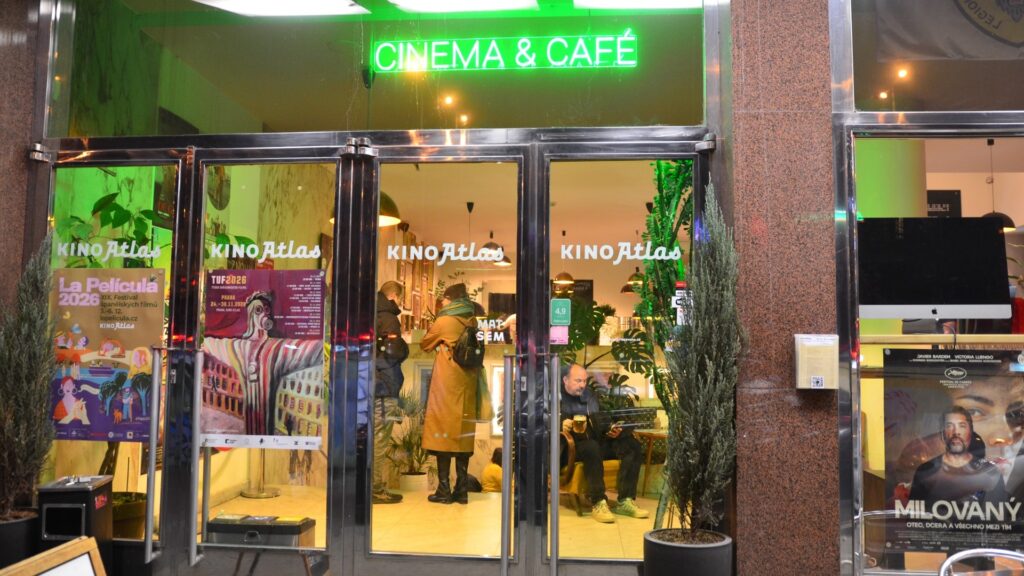
Ukrainian Cinema Week in Prague will run until November 30 at Kino Atlas cinema, Sokolovská 371/1, Praha 8.