
During a working visit to the United Kingdom and Finland, the Foundation’s experts — Ihor Kharchenko, Chief Consultant on International Affairs, Volodymyr Yelchenko, Head of International Policy Research at the Foundation, and Artem Mykolaichuk — established new contacts and studied the situation regarding the issue of expelling Russia from the UN or suspending its powers in the Security Council.
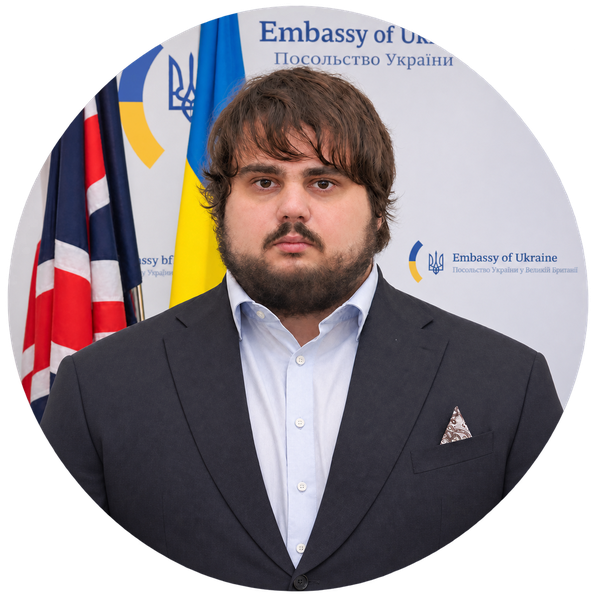
“In the United Kingdom, we held several meetings with members of the House of Lords, representatives of the FCDO and British think tanks. I was left with very positive impressions of the level of support for Ukraine,” noted Artem Mykolaichuk. “At the same time, it came as an unpleasant surprise to me that many of our interlocutors were hearing our arguments about the illegitimacy of Russia’s presence in the UN, in particular its seat as a permanent member of the Security Council, for the first time. But even a brief introduction to the issue was enough to spark considerable interest. People quickly understood why we are raising this topic and why we consider it important.”
He also added that he considers the lack of awareness among foreign partners a serious shortcoming of our politicians in conveying the arguments of the #unrussiaUN campaign to the international community. After all, it turned out that even people who support Ukraine and work directly on international cooperation and engagement know little about the illegitimacy of Russia’s presence in the UN.
The visits took place from October 12 to 16 with the participation of the Ukrainian embassies in both countries — the United Kingdom and Finland. In addition to public events, the program also included off-the-record meetings with foreign media and international policy experts.
Mykolaichuk shared that the visit has produced unexpected results that cannot yet be discussed publicly. But he is confident that they will be of significant positive importance for Ukraine in the future.
In London, the ambassadors also spoke at a security round table organized by the Embassy of Ukraine in the United Kingdom. In Helsinki, they were speakers at the International Diplomatic Conference and visited the Finnish Ministry for Foreign Affairs and the Office of the President of Finland.
During his speech at the International Diplomatic Conference in Helsinki, Head of International Policy Research at the Pylyp Orlyk Foundation, Ambassador Extraordinary and Plenipotentiary of Ukraine, former Permanent Representative to the UN Volodymyr Yelchenko recalled how Russia ended up in the United Nations and what consequences this has had for global security.
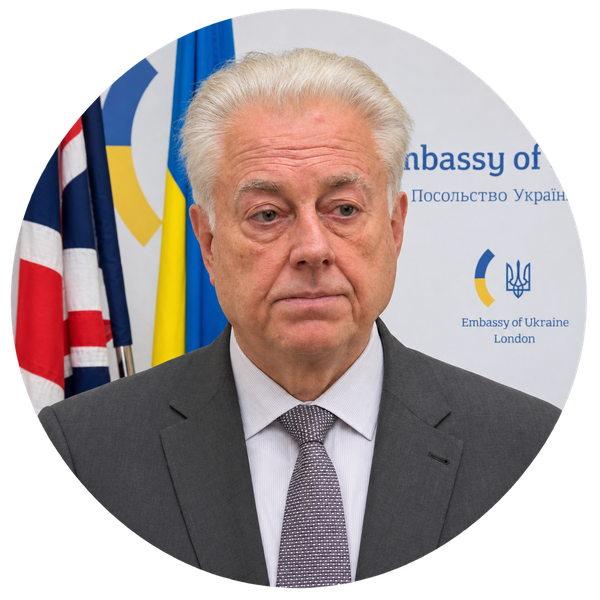
In December 1991, the Soviet Union ceased to exist. At the UN Headquarters in New York, the nameplate was simply replaced with “Russian Federation”:
“There was no application for membership, no recommendation from the Security Council, no vote in the General Assembly. There was a letter from President Yeltsin — and no one objected. Open Article 23 of the Charter today and you will see: it states in black and white that the permanent seat still belongs to the Union of Soviet Socialist Republics,” noted Volodymyr Yelchenko.
According to the ambassador, this was a fatal mistake of those years. Subsequently, Russia repeatedly abused its powers, blocking UN Security Council decisions in favor of Ukraine or sanctions and economic pressure measures against Russia’s allied countries, such as North Korea, Iran, Venezuela, Cuba, and African countries.
Chief Consultant of the Pylyp Orlyk Foundation, Ambassador Extraordinary and Plenipotentiary of Ukraine Ihor Kharchenko noted that the United Kingdom has a clear vision of what conclusions the world must draw from Russian aggression:
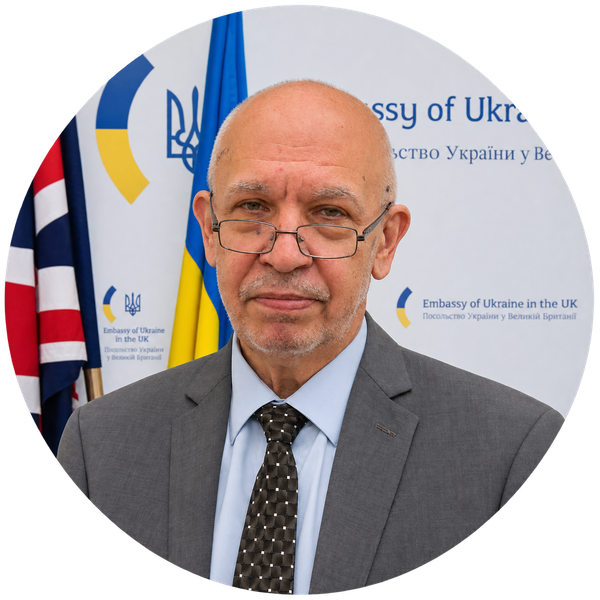
“The main lesson of this new great war for Britain is that Europe must be united on security. It seems to me that the British understand this better than anyone else,” remarked Ihor Kharchenko. “When I was ambassador to the United Kingdom more than 20 years ago, I communicated a great deal not only with the political and economic class, but also with ordinary Britons. The impressions that stayed with me back then are being confirmed now. Today, Ukrainians are living through an experience that resonates with what the British went through in 1940–45. Our thinking on external aggression is moving in the same direction. For the British, this is a historical experience that they have preserved through generations. That is why it is easier for them to answer the questions the world faces today. Because they have been through it. That is precisely why, I think, the United Kingdom is one of our most reliable and consistent partners in the just war aimed at repelling Russian aggression.”
Context: the #unrussiaUN campaign was first launched by an initiative group of Ukrainians of the same name, since Russia’s illegitimate occupation of the USSR’s seat in the UN had long been a taboo topic — many knew about it, but few dared to discuss it openly. Today, thanks to the efforts of politicians, diplomats and civic activists, this is a fact recognized by the international community and brought into the public sphere.
But exposing the crime has not led to accountability for it. Years of struggle to expel Russia from the UN have revealed a systemic problem: it is not enough simply to prove the illegitimacy — the very architecture of international relations must be changed. The Pylyp Orlyk Foundation’s experts continue to work on this.


