
We see the opportunity to light this candle with gratitude. After all, Ukrainians as a nation continue to exist thanks, among other things, to their ancestors who managed to survive genocide by starvation. They were able to preserve and pass on to the next generations this truly very fragile flame of human life, from which the fire in the hearts of a strong and dignified European nation has now been kindled.
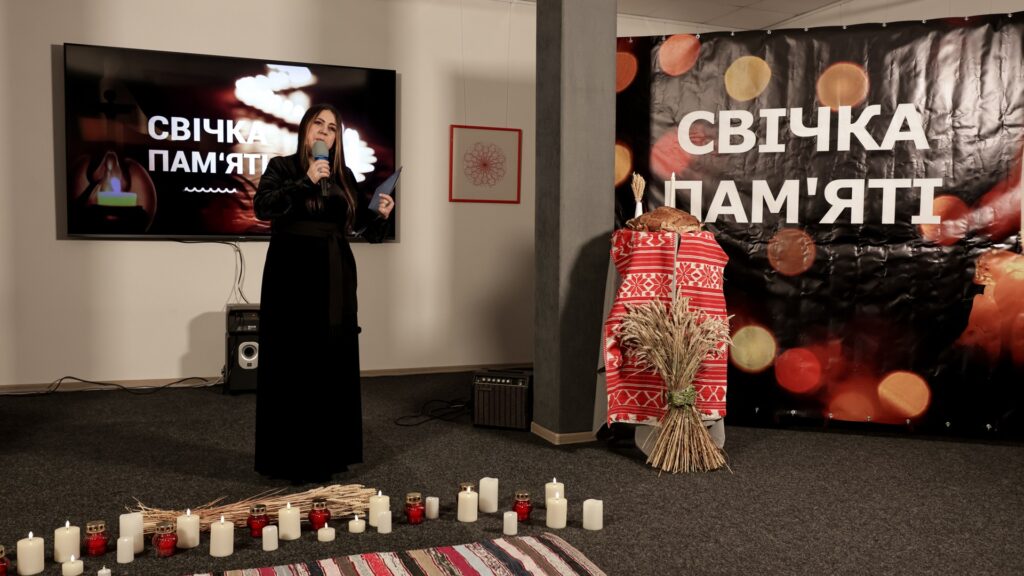
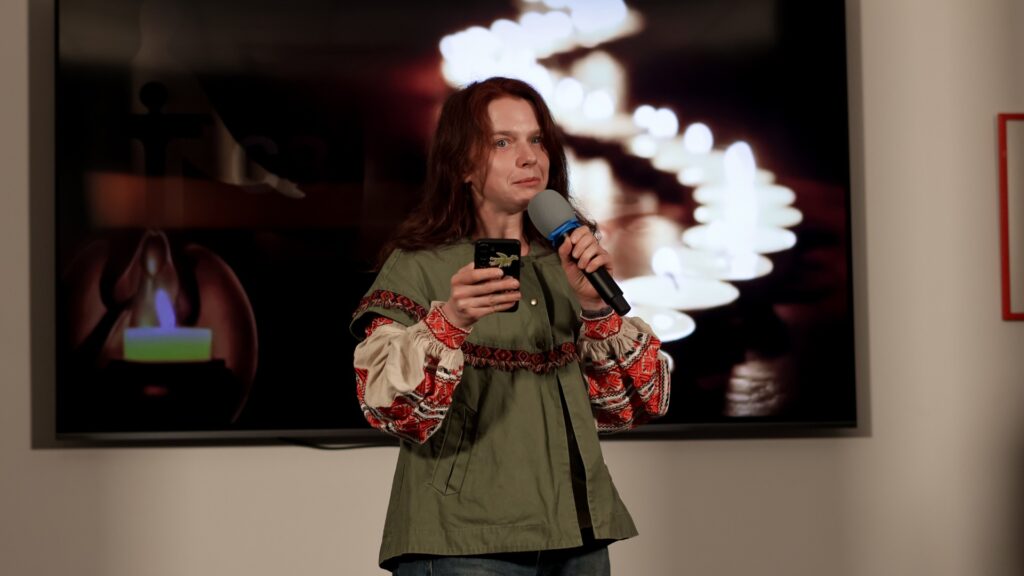
Yaryna Yasynievych, Program Director of the Pylyp Orlyk Foundation, noted that Stalin wanted there to be “neither anyone to remember, nor anyone to do the remembering” after the Holodomor. But thanks to Ukrainians’ will to live, this plan failed. We not only survived, but were also able to remember and pass on the names of the victims and the crimes of the perpetrators.
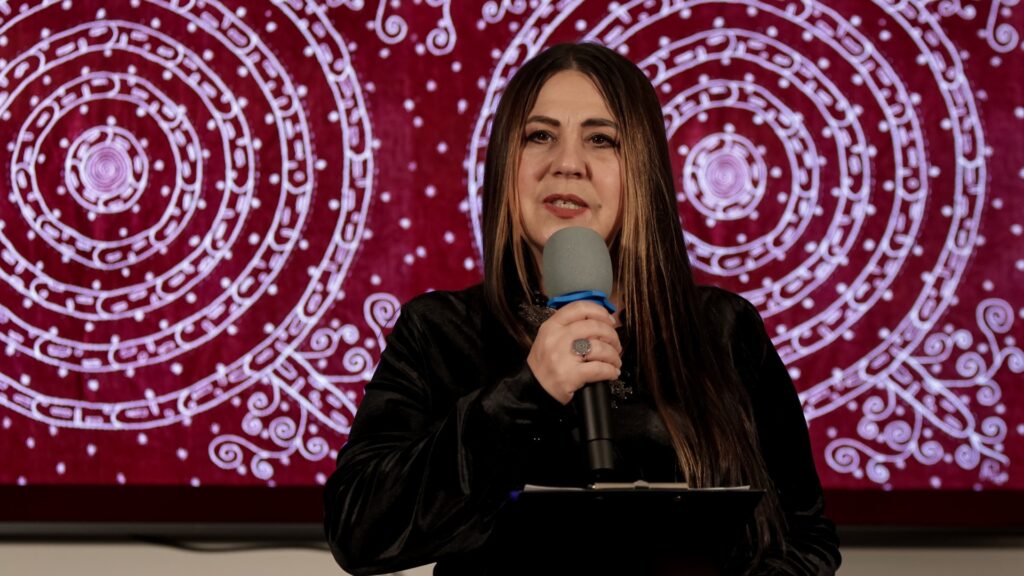
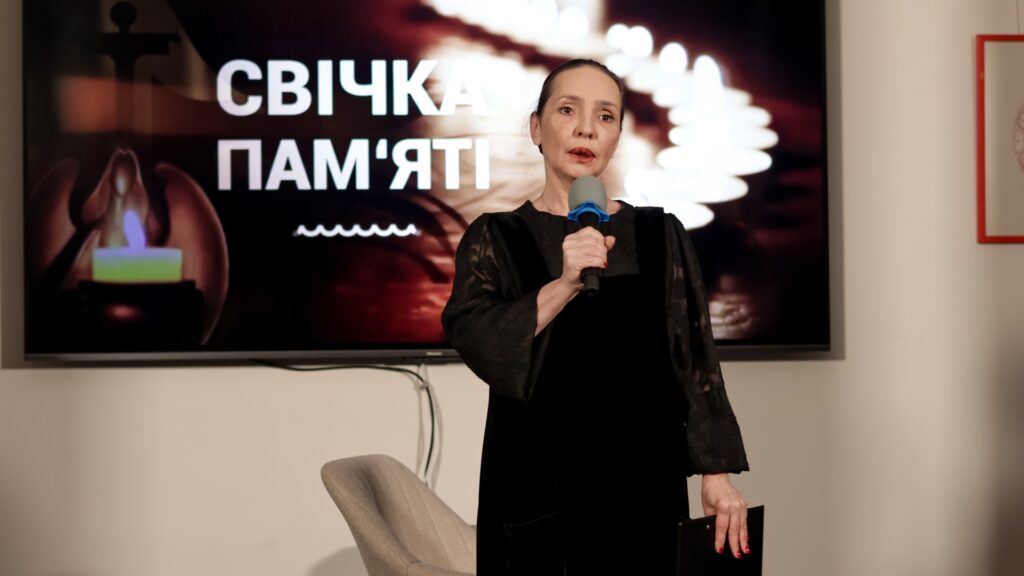
Anzhelika Rudnytska, Director General of the State Agency for the Promotion of Culture of Ukraine, as well as a close friend and partner of the Pylyp Orlyk Foundation, shared an interesting metaphor. She said that during the Holodomor the Soviet oppressors threw Ukrainians into mass graves. But the enemies forgot that our people are like seeds. And even from mass graves we stubbornly sprout through creativity, resistance, new ideas and the ability to fight.
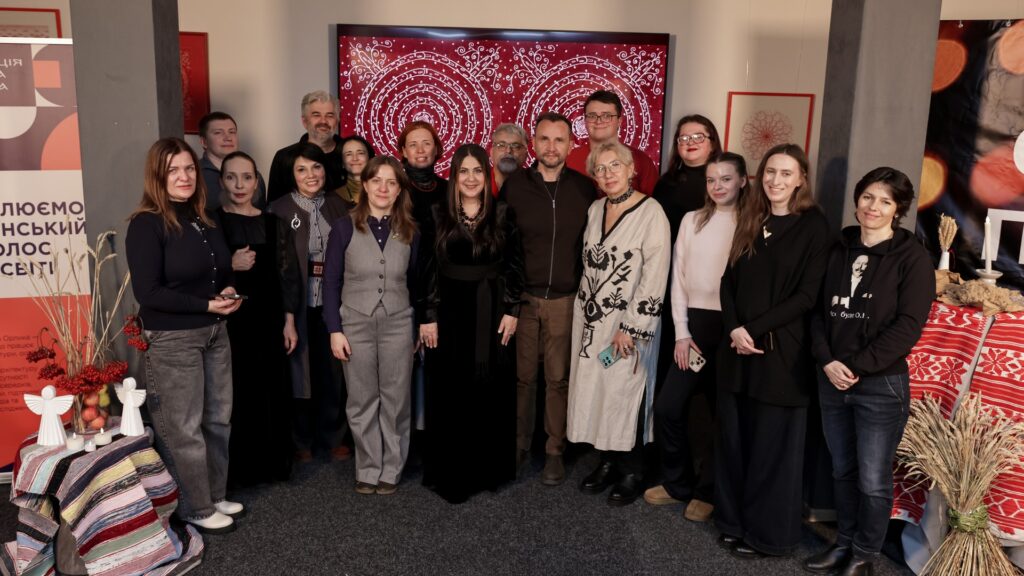
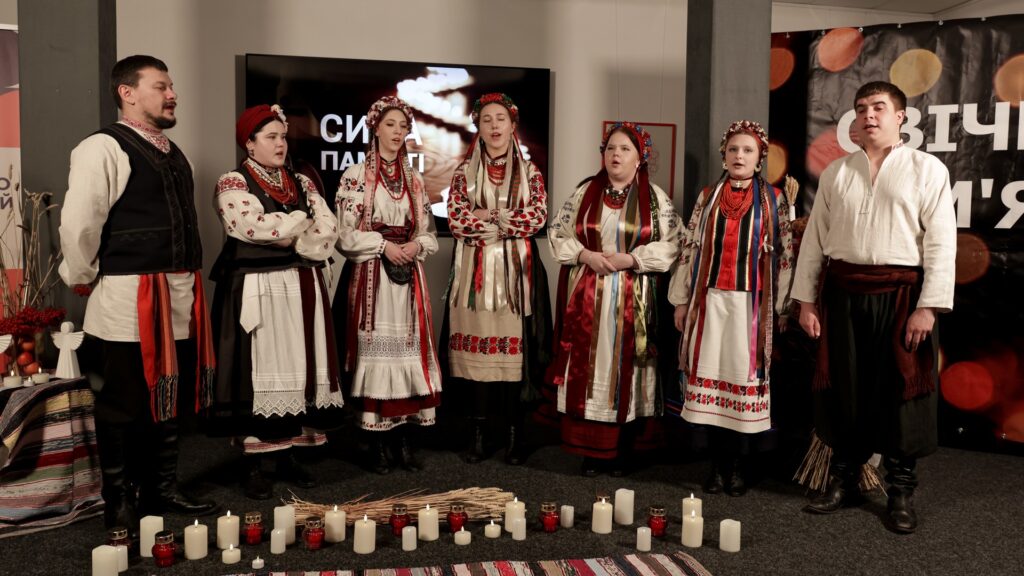
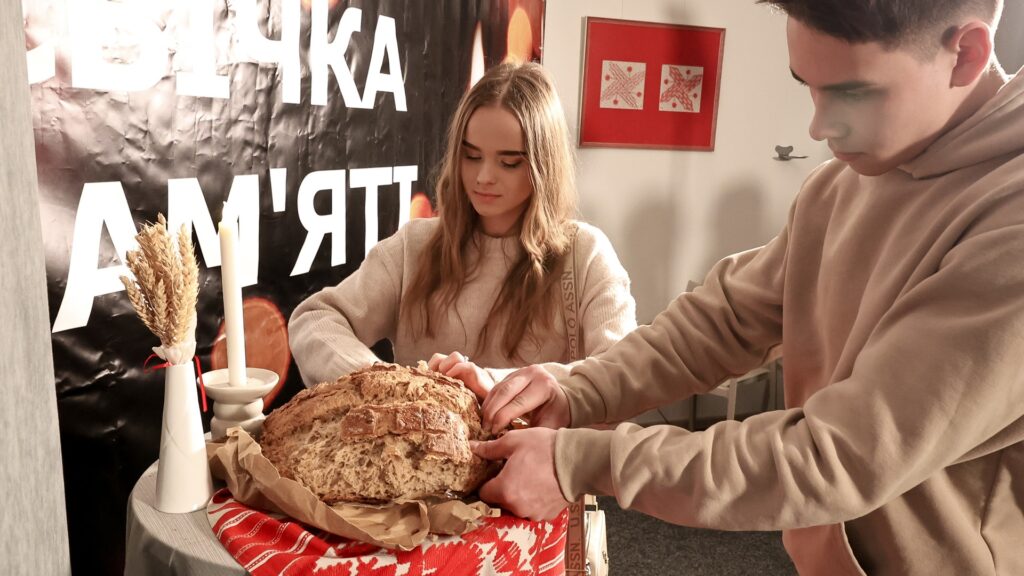
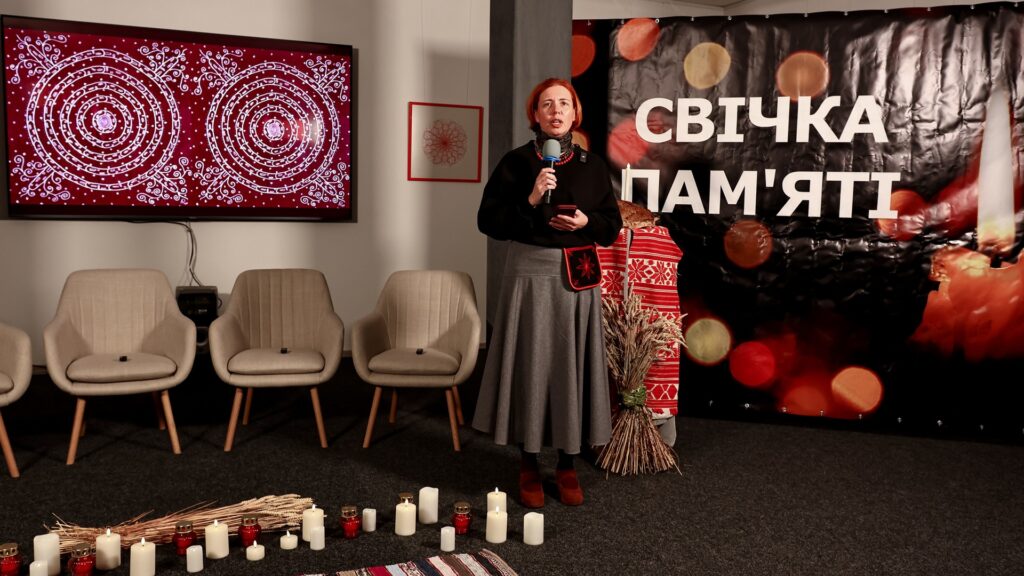
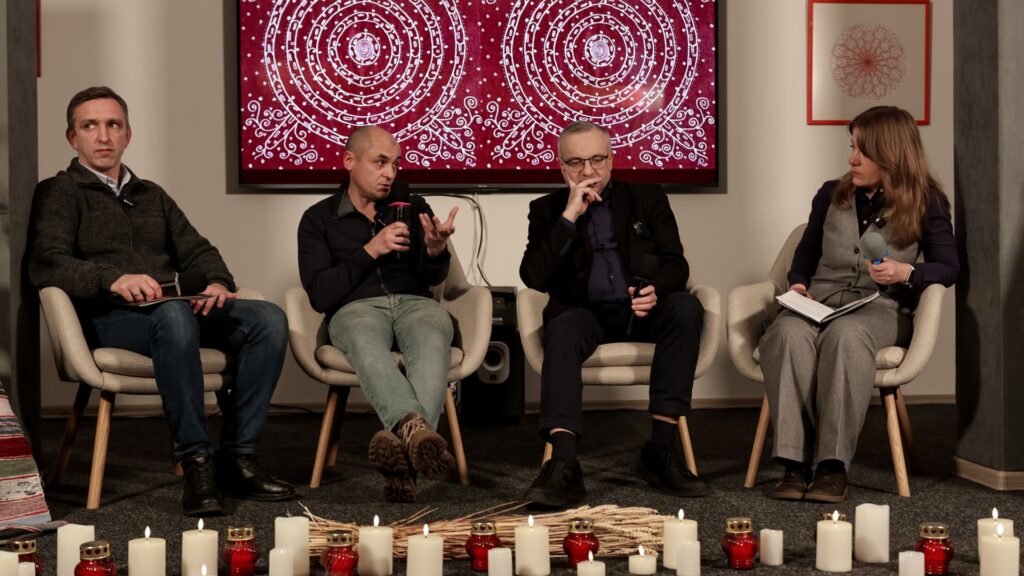
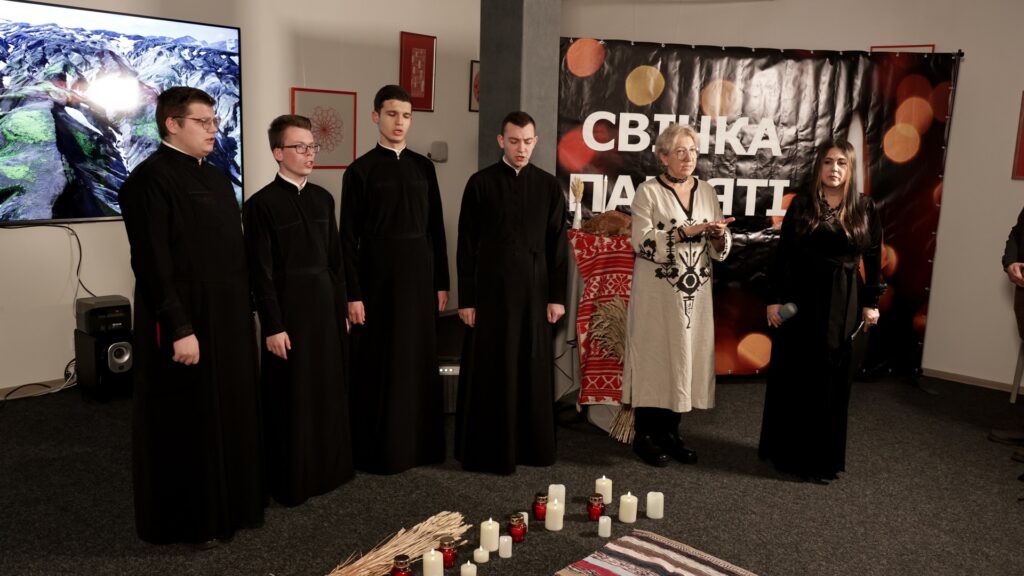
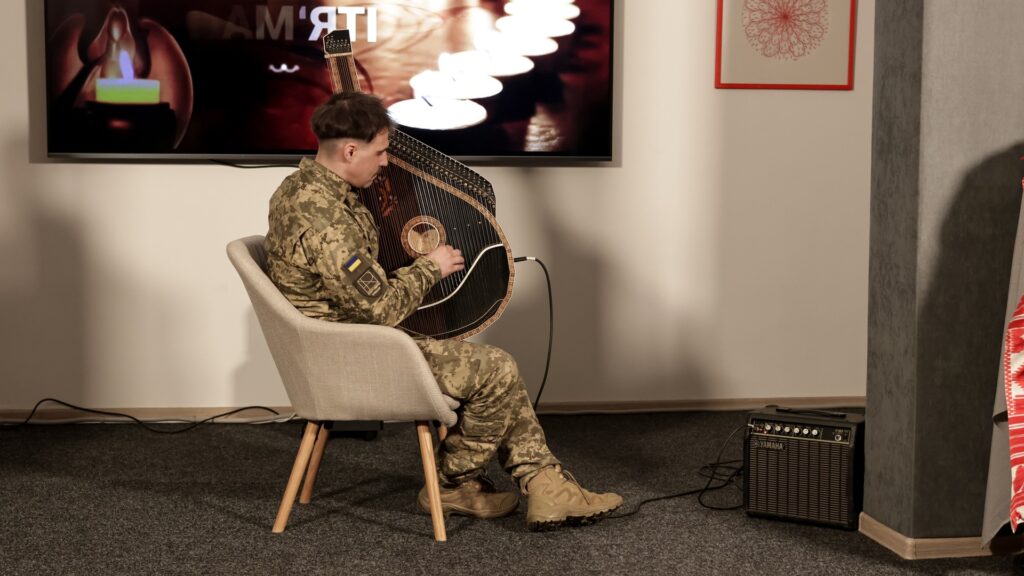
Rudnytska shared these observations during the event “Candle of Memory: Cultural and Historical Dialogues”, held at the Pylyp Orlyk Foundation space on the eve of Holodomor Remembrance Day. The format includes an academic discussion and an artistic program, ending with the shared breaking of a palianytsia at the end of the evening.
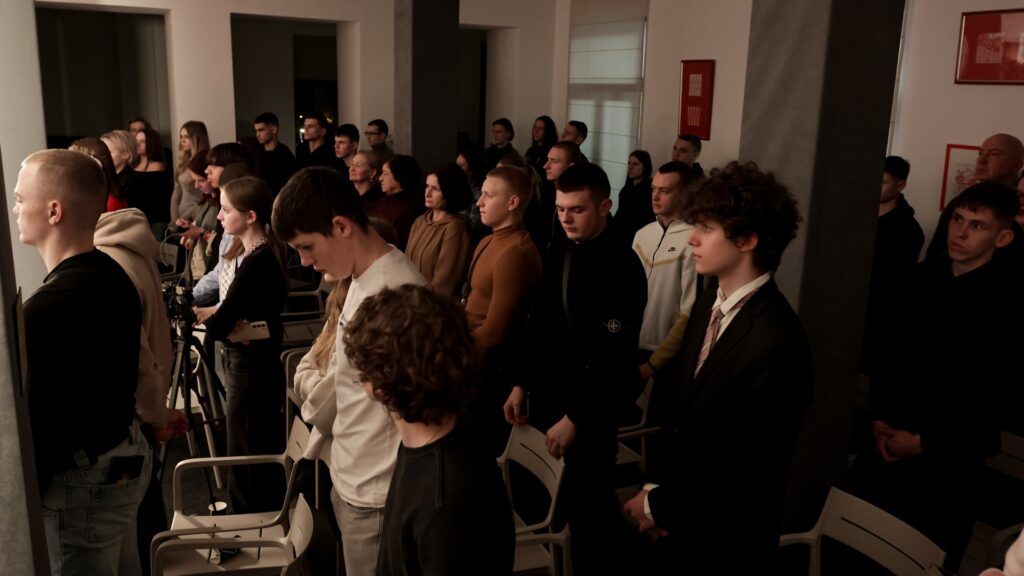
Rudnytska is holding this event for the eleventh time, and together with the Foundation — for the second year in a row. This time the event was attended by many young people. In particular, students of Lyceum No. 93 and cadets of the Ivan Cherniakhovskyi National Defence University of Ukraine.
The historical part of the event revealed many new facts. For example, that we are much more like our great-grandparents than it might seem at first glance. One of the speakers, Volodymyr Tylishchak, Deputy Head of the Ukrainian Institute of National Memory, said that the first commemorations of the victims starved to death took place in Ukraine in the immediate aftermath of the tragedy, in the 1930s. At that time, about a dozen villages in the Vinnytsia region honored the dead by organizing charity dinners for their families — those who had managed to survive. Thousands of people took part in these actions. Tylishchak noted that this is a characteristic pattern of behavior for Ukrainians. When disaster strikes, we first of all help those affected. This has survived to this day.
The second similar trait between our great-grandparents and us is the ability to stop the enemy by raising an outcry to the whole world. Stalin did not carry the Holodomor through to the end and was forced to wind it down, because from the spring of 1933 the Greek Catholic Church of Galicia began to set up a relief committee, involving the diaspora. And it raised the issue to such a level that the famine began to be discussed at the League of Nations. The USSR did not acknowledge the tragedy and did not accept help from the Red Cross, but was forced to stop the genocidal special operation.
The most painful thing is that we need to use all these traits and behavior patterns again now. For example, to raise an outcry about the famine in the Ukrainian lands occupied by Russia. And only in this way to get a chance to rescue our people from there.
We will tell you more of the important and poignant things worth remembering about the Holodomor over the next week — the full video version of the event will be released on YouTube. And today Ukrainians will be looking at the flame of a candle and commemorating those who perished innocently and those who were never born as a result of the Holodomor.
Organizers of the “Candle of Memory” event: State Agency for the Promotion of Culture of Ukraine, “Terytoriia A” Art Agency, Pylyp Orlyk Foundation
The State Agency for the Promotion of Culture of Ukraine (SAPCU) is a state-funded non-profit institution. The Agency promotes Ukrainian culture in Ukraine and abroad, and initiates and implements cultural, artistic and educational projects.
“Terytoriia A” is a Ukrainian art agency engaged in cultural, artistic, charitable and media projects.
The Pylyp Orlyk Foundation is a platform working at the intersection of culture, education and information work. It builds the architecture of Ukrainian presence in the world through educational programs, support for independent media and analytical research, and the work of its network of chapters.


