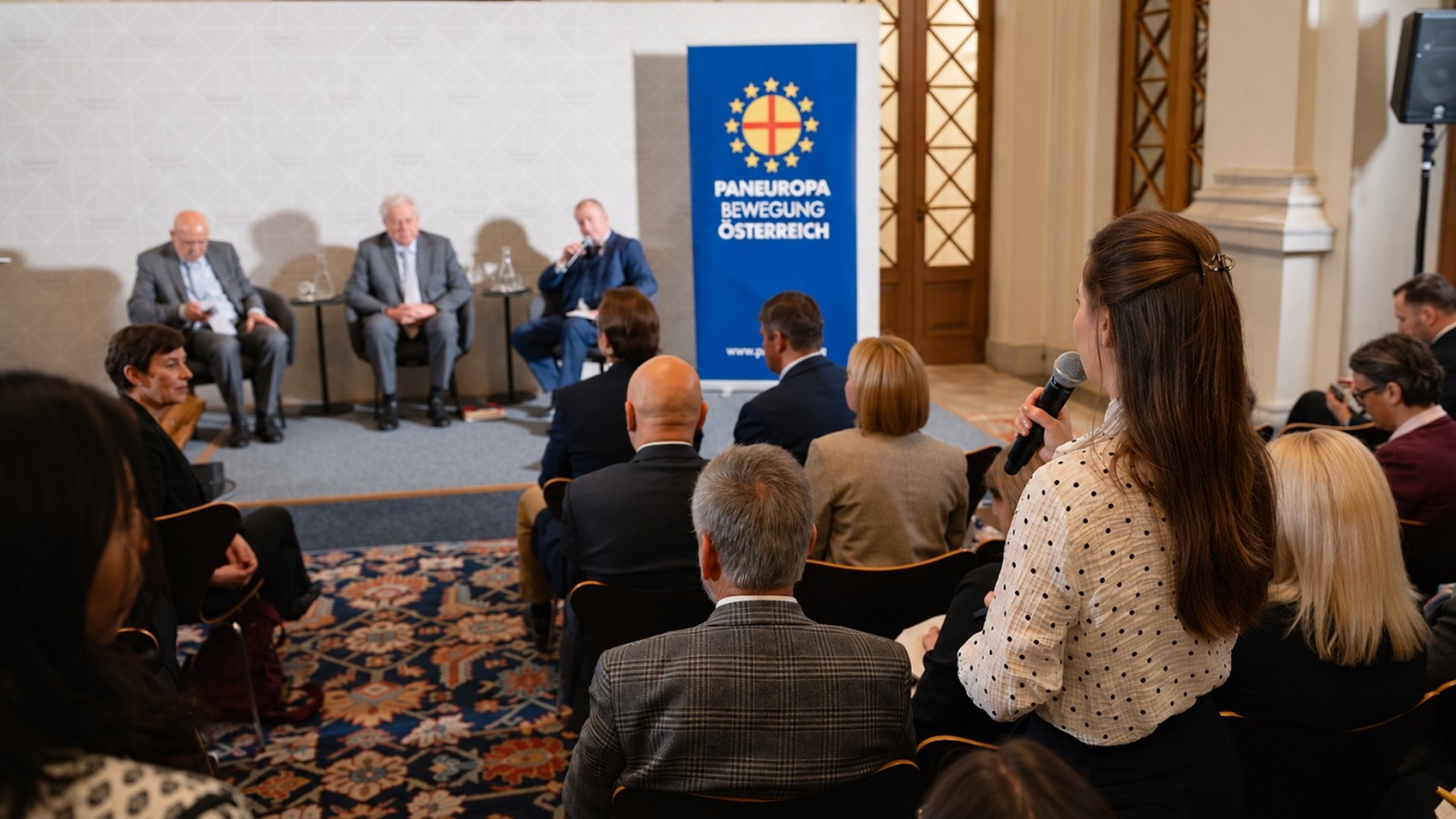
The forum addressed Ukraine’s role in strengthening European security, international mechanisms for holding Russia accountable, and the protection of human dignity in the face of Russian aggression.
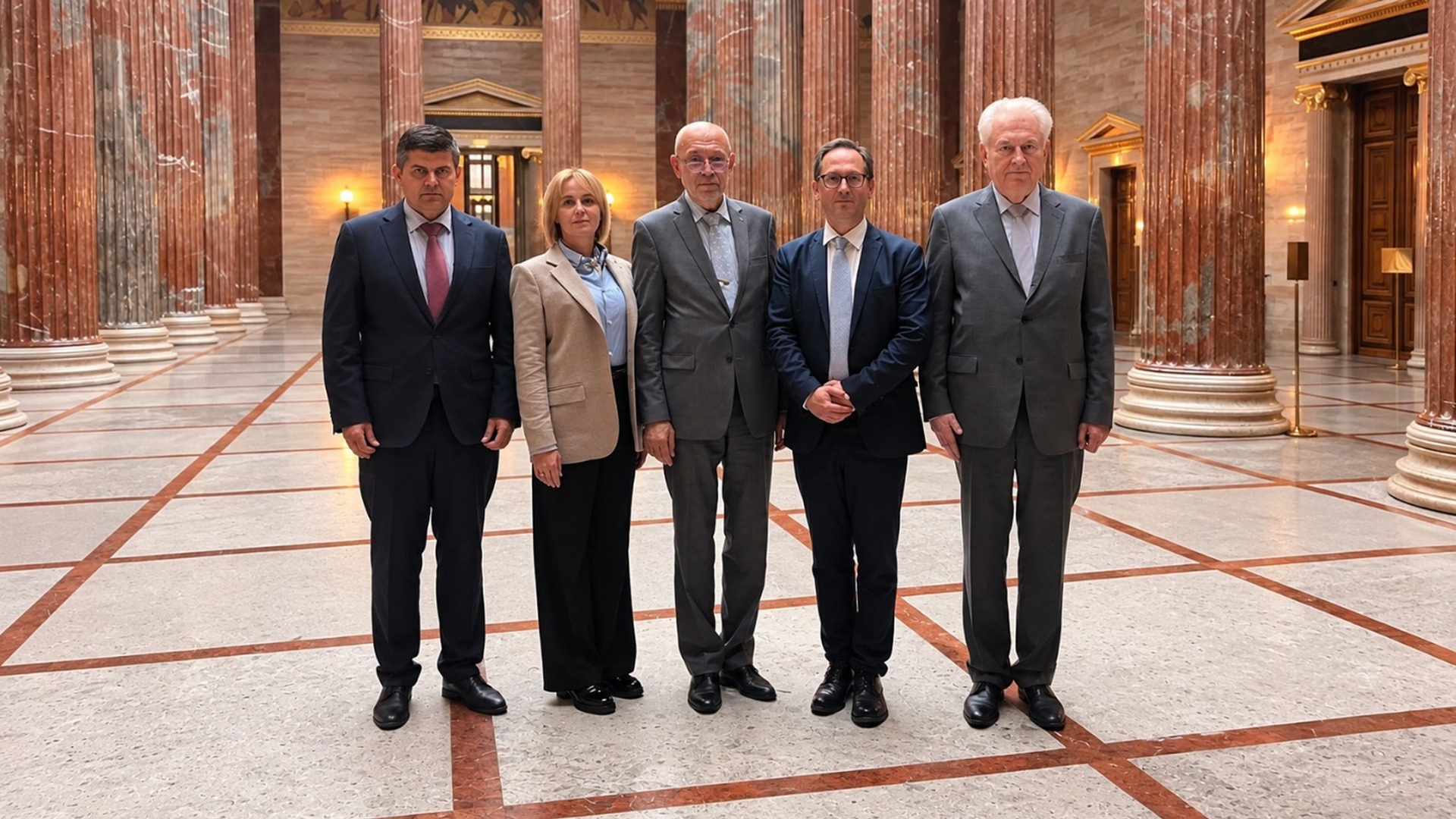
In his speech “Towards a Just Peace: Accountability for Russian Aggression and the Role of Austria and International Organizations,” Volodymyr Yelchenko focused on the conditions for a just settlement of the Russian-Ukrainian war, the international legal mechanisms for holding the Russian Federation accountable, and the opportunities for Austria and the international organizations headquartered in Vienna to contribute to this process.
The diplomat emphasized the fundamental difference between a ceasefire and a just peace. In his view, negotiations must rest on real agreements rather than create the appearance of a diplomatic process while hostilities continue.
“Terms can be negotiated. Principles cannot. The timetable for troop withdrawal, the sequence of sanctions, the architecture of guarantees, the mandate of a monitoring mission — all of this belongs to the work of diplomats. But territory, recognition of annexations, the size of our army, our right to join the European Union and to choose any alliance — these are not terms. This is the state itself.”
Volodymyr Yelchenko also stressed that a ceasefire must be verified, not merely declared. The next step, he said, should be a broad international conference involving all parties that will guarantee the implementation of the agreements.
The diplomat paid special attention to international mechanisms for holding Russia accountable. He outlined four main areas: the work of the International Criminal Court, the establishment of the Special Tribunal for the Crime of Aggression, compensation for the damage caused, and the documentation of war crimes.
“Peace without accountability tells the aggressor only one thing: this method works, try again later. That is why I put accountability before the settlement, not after it.”
Speaking about Austria’s role, Volodymyr Yelchenko called on the country to ratify the Convention establishing the International Claims Commission, to use its upcoming membership in the UN Security Council to uphold international law, and to help host a full-fledged international conference in Vienna once a verified ceasefire is achieved.
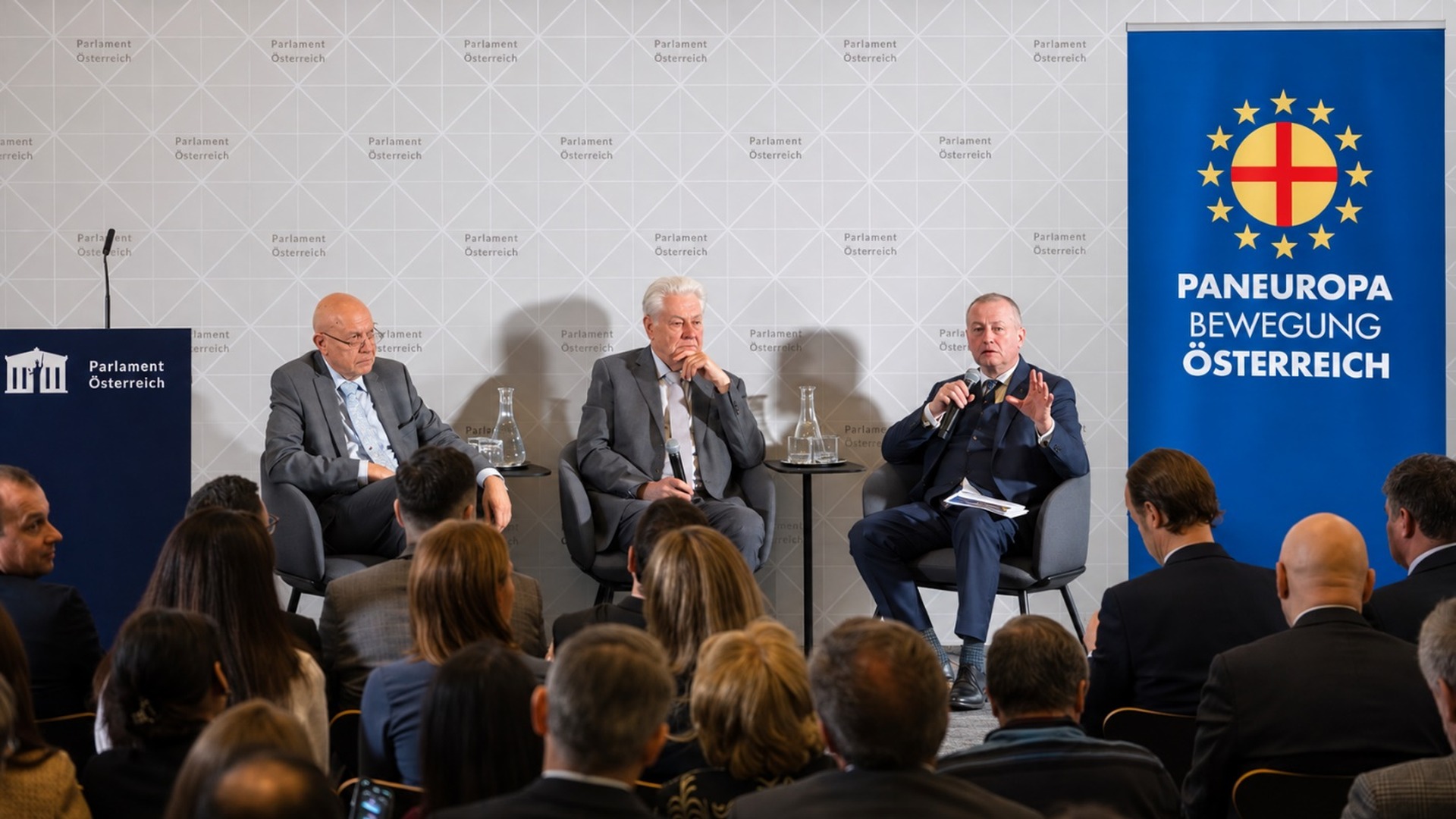
Concluding his speech, the diplomat turned to the theme of human dignity, in particular the situation of Ukrainian prisoners of war and civilians held in Russian captivity.
In his speech “Ukraine as an Indispensable Security Provider,” Ihor Kharchenko stressed that Ukraine is not a consumer of European security but an integral part and guarantor of it.
“The events of our time have proven that Ukraine is not a consumer of European security. Ukraine is its indispensable provider. Without Ukraine there is no secure Europe, and without a secure Europe there is no stable transatlantic community.”
The diplomat recalled that Ukraine had been contributing to international security long before the start of Russian aggression. In particular, Ukrainian service members took part in UN peacekeeping missions in the Balkans, Lebanon, Sierra Leone, Liberia, the Democratic Republic of the Congo and other countries. In total, more than 40,000 Ukrainian peacekeepers have served under the UN flag.
He also mentioned Ukraine’s cooperation with NATO, which began back in the 1990s. Ukraine became the first post-Soviet state to join the “Partnership for Peace” program and later took part in all NATO-led operations that involved partner countries.
According to Ihor Kharchenko, this experience shows that Ukraine’s contribution to international security is not a situational response to the war but is consistent and strategic in nature.
He separately emphasized the role of the Ukrainian Defense Forces in countering Russian aggression and in transforming modern warfare.
“The largest and most combat-experienced army on the European continent stands between Russia and the European Union — and it is the Ukrainian army”.
Among the examples of Ukraine’s contribution to Europe’s security, the diplomat named the development of unmanned technologies, naval drones, unmanned ground systems and electronic warfare, as well as pushing a significant part of Russia’s Black Sea Fleet out of the western Black Sea and restoring the maritime corridor for global food exports.
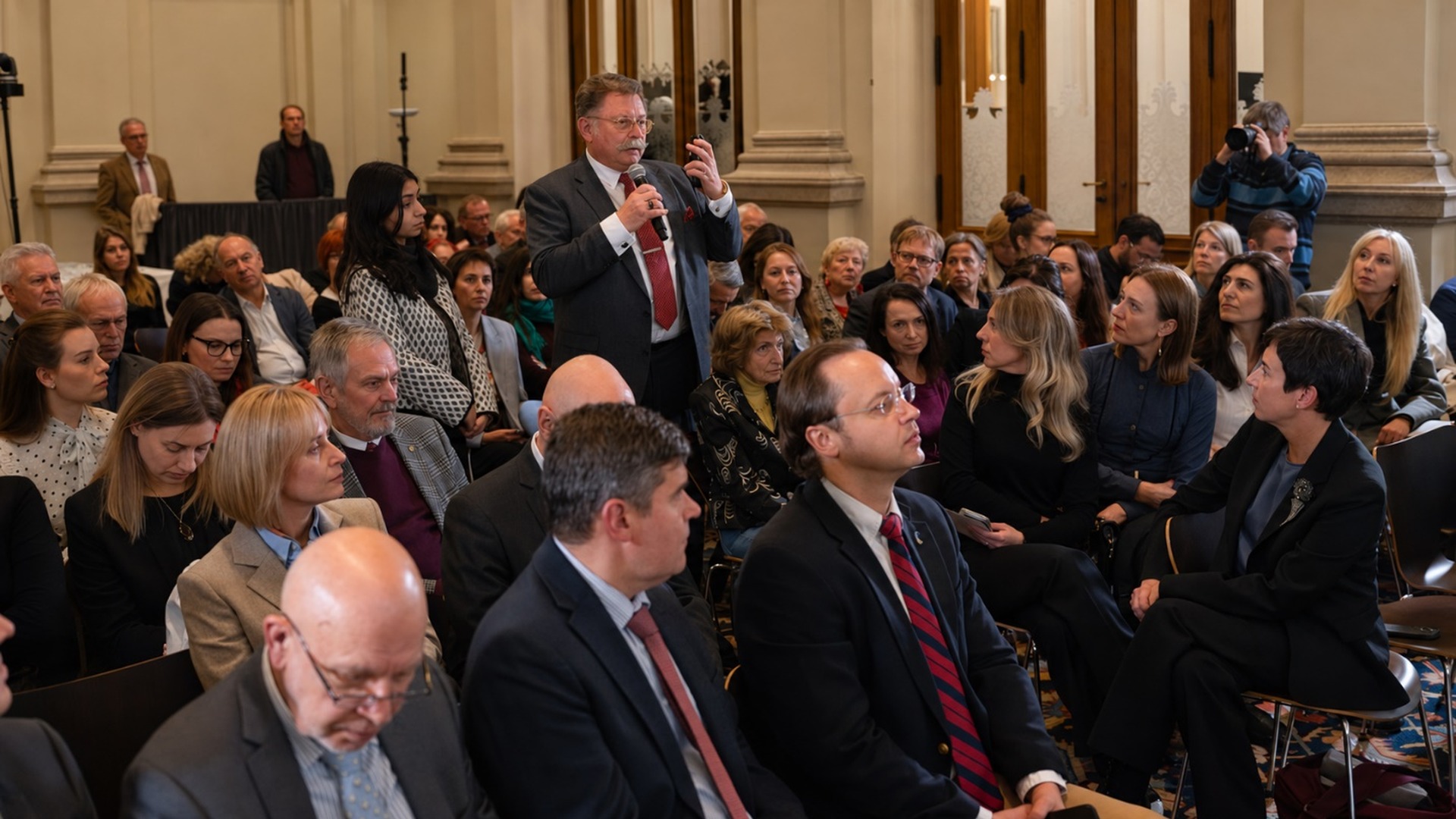
Ihor Kharchenko stressed that support for Ukraine should be seen not as charity or a favor to a neighboring state, but as an investment in Europe’s own security.
“Europe’s main political task today is to support Ukraine by all possible means: political, financial, industrial and military. Not as charity and not as a favor to a neighbor, but as an investment in Europe’s own survival.”
In his view, Europe’s future security requires deeper defense cooperation, and a promising model could be a single European army, with the Armed Forces of Ukraine as one of its key components.
Concluding his speech, Ihor Kharchenko returned to the metaphor proposed by American diplomat and scholar Sherman Garnett in his 1997 work Keystone in the Arch: Ukraine in the Emerging Security Environment of Central and Eastern Europe.
“Sherman Garnett called Ukraine the keystone in the arch. Thirty years later, I would add one sentence: the keystone is holding, but it cannot hold up the entire arch on its own forever. It is time for Europe to build the arch around it.”
Member of the Foundation’s Board Svitlana Kvitnytska also took part in the event. She noted: “Participating in such events is an opportunity not only to present the Ukrainian vision of security challenges, but also to contribute to shaping a common understanding of what peace should be and why it is impossible without the aggressor being held accountable.”
The forum was organized by the Permanent Mission of Ukraine to the International Organizations in Vienna, the Embassy of Ukraine in Austria, the Pylyp Orlyk Foundation and the #BreaktheFake project.