Representatives of the Pylyp Orlyk Foundation joined the Forum’s work — board member Svitlana Kvitnytska and head of cultural initiatives Olha Salo, who moderated one of the panel discussions.
Speaking on the panel on emergency response and early recovery of damaged monuments or collections, Svitlana Kvitnytska spoke about the importance of working with Ukrainian business and its interest in cooperating to rescue cultural heritage. International aid still remains the main external source of funding for the restoration of war-damaged heritage. The contribution of Ukrainian business is significant, yet substantially smaller. And one of the reasons is the lack of established partnership communication between the culture and business sectors. According to Svitlana Kvitnytska, effective cooperation begins with relationships built in advance, a clear understanding of the tasks, and trust between partners.
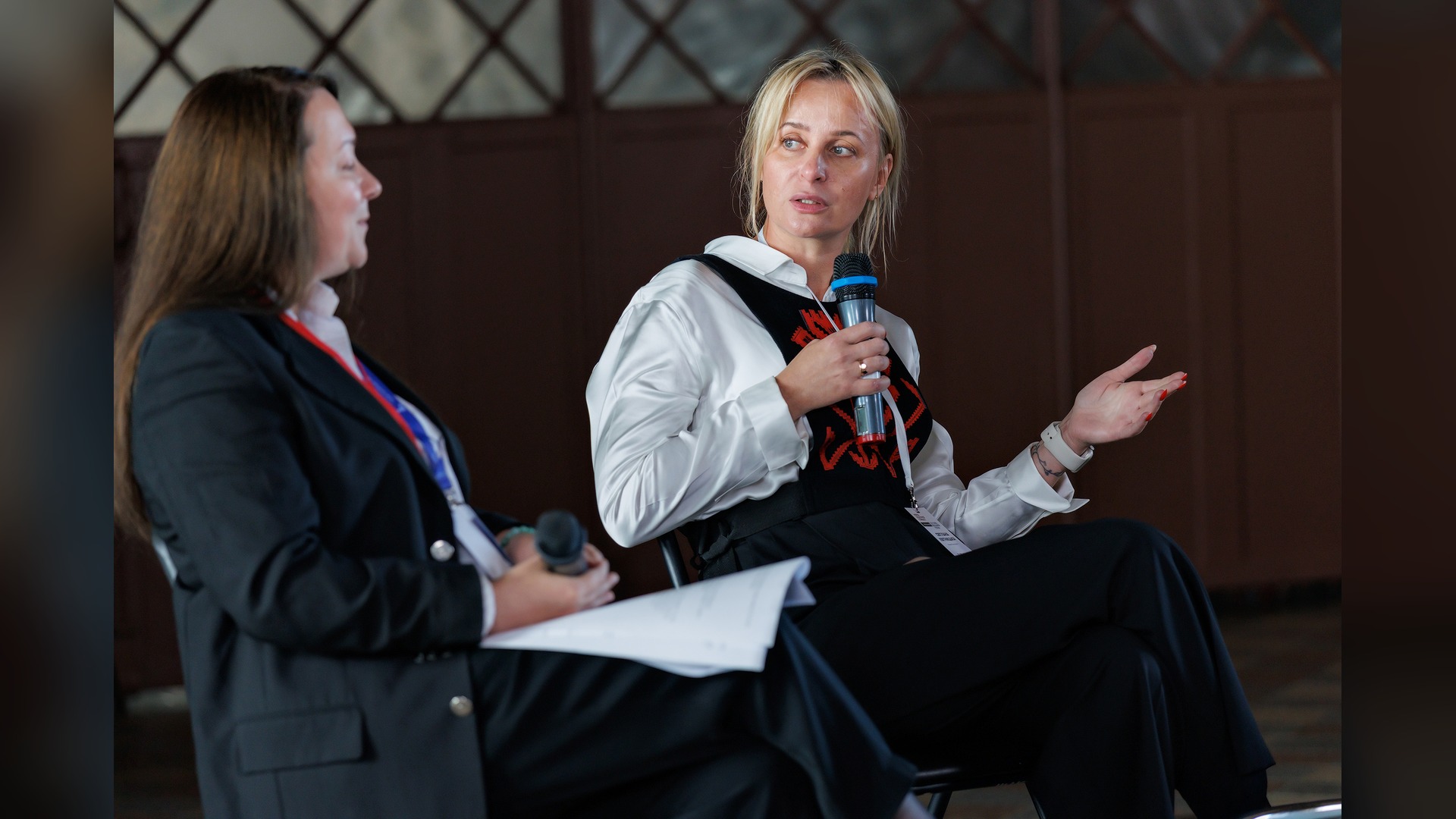
“Working at the Pylyp Orlyk Foundation, I came to a conclusion: you need to start acting before a crisis, not after it. Partners respond more readily when the request comes from an organization with which they already have a positive experience of communication and cooperation, and which they trust. Responding to the challenges of war requires immediacy and speed, and when mutual trust and a common language have already been built, this saves time that is precious for cultural property,” — noted Svitlana Kvitnytska.
Olha Salo, head of cultural projects at the Pylyp Orlyk Foundation and head of the Coordination Center for the Evacuation of Endangered Collections, moderated the panel dedicated to the challenges of evacuating cultural heritage. An important feature of this conversation was that a single panel discussed the challenges of relocating not only museum collections, but also archives and unique library holdings.
“Organizing an evacuation is not only, and not even so much, about the process of relocation itself. It is a series of challenges, a system of tasks that concern dismantling, packing, finding suitable premises, documenting, digitizing, and keeping the collection in proper condition throughout the entire time. And a separate major question is how not to make these museum, archival, and library treasures invisible to researchers, and how to keep active the institutions whose main task is preserving and working with these valuable sources of information,” — said Olha Salo, outlining the conversation.
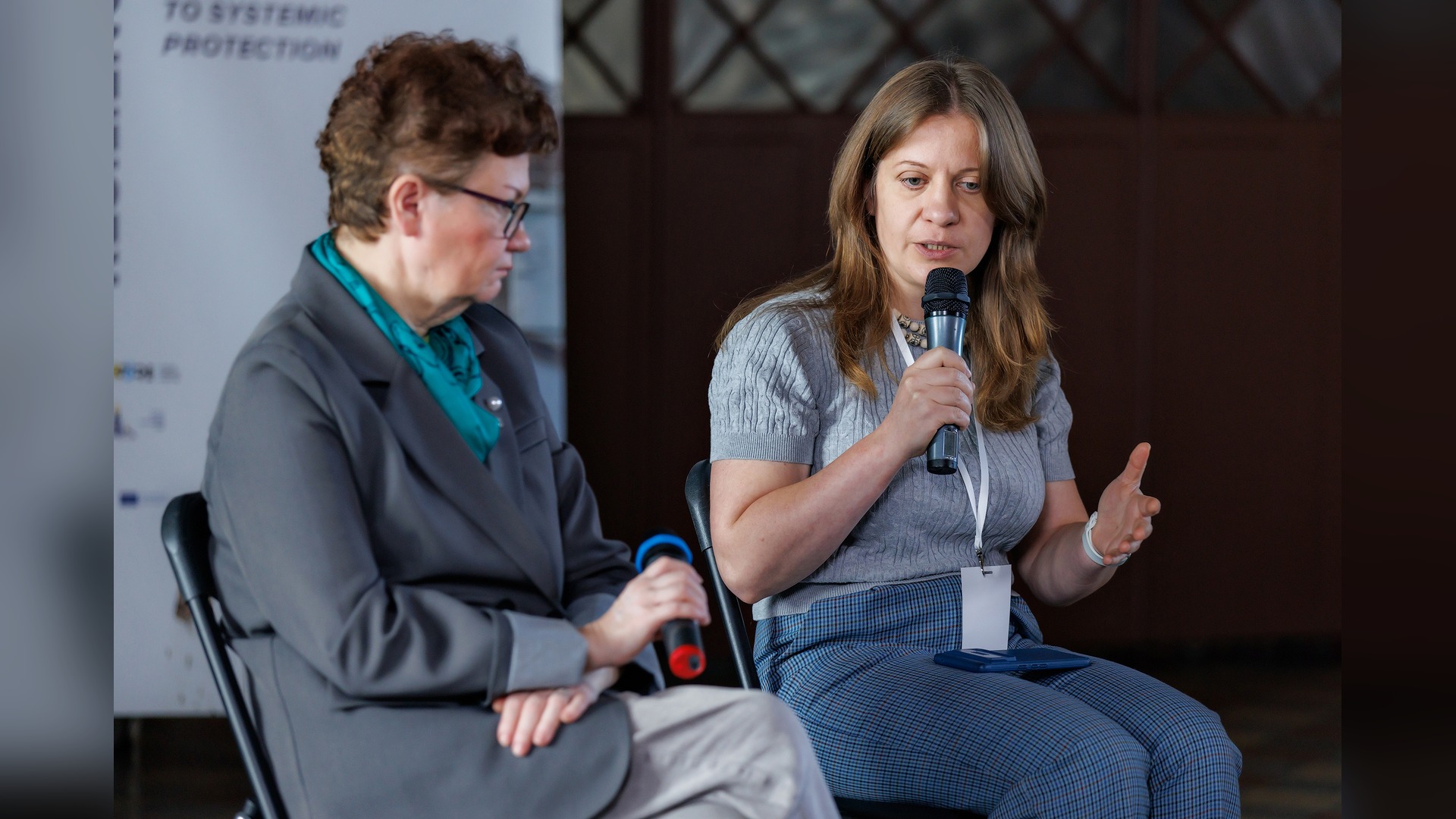
A separate topic of the Forum was Ukrainian cultural heritage stolen by the Russian Federation. According to data presented during the event, this concerns approximately 7.8 million identified cultural objects that were removed or stolen. At the same time, the real scale of the losses is much greater.
The Forum continued the work launched in 2023 by the International Forum on Cultural Heritage Security “War in Ukraine: The Battle for Culture”. Whereas back then the main tasks were coordinating Ukrainian and international initiatives, supporting cultural institutions, and preparing for the restoration of damaged heritage, the emphasis is now shifting to systematizing the accumulated experience.
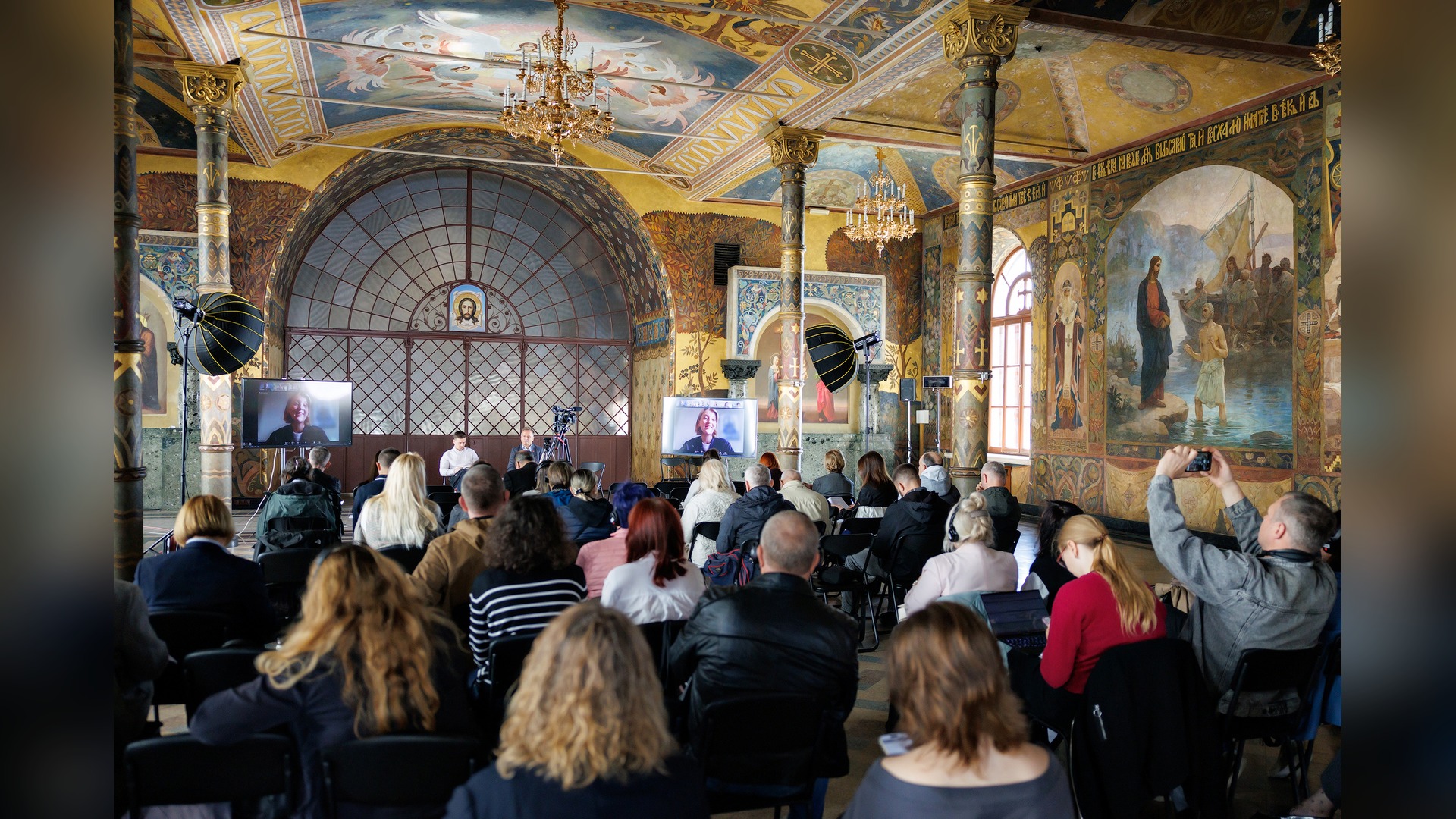
“It is important for us to determine not only what needs to be done, but also who should do it, when, and through which mechanisms,” — noted the initiator and curator of the Forum, Director General of the National Museum of the Revolution of Dignity and co-founder of the Agency for Cultural Resilience, Ihor Poshyvailo.
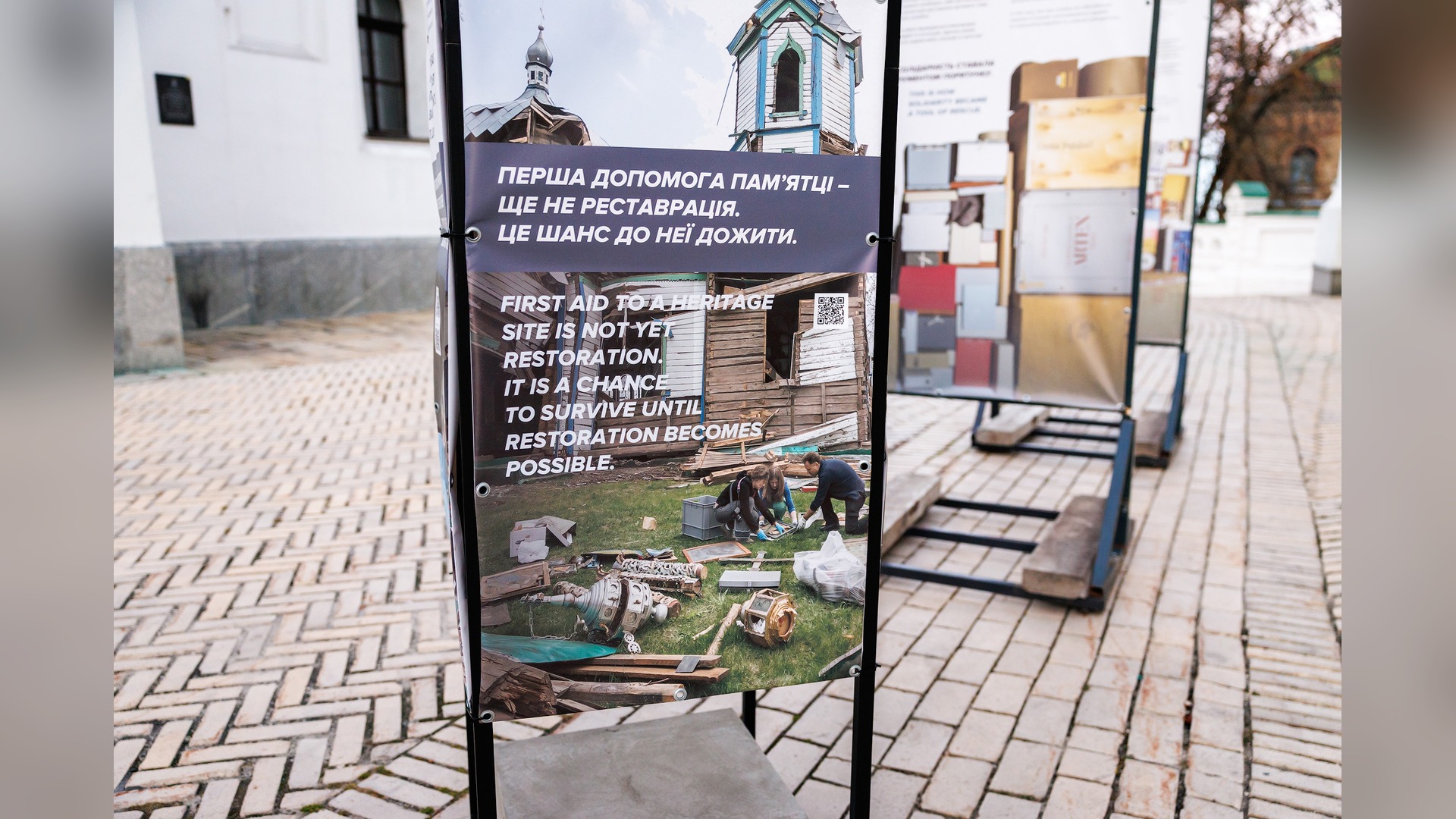
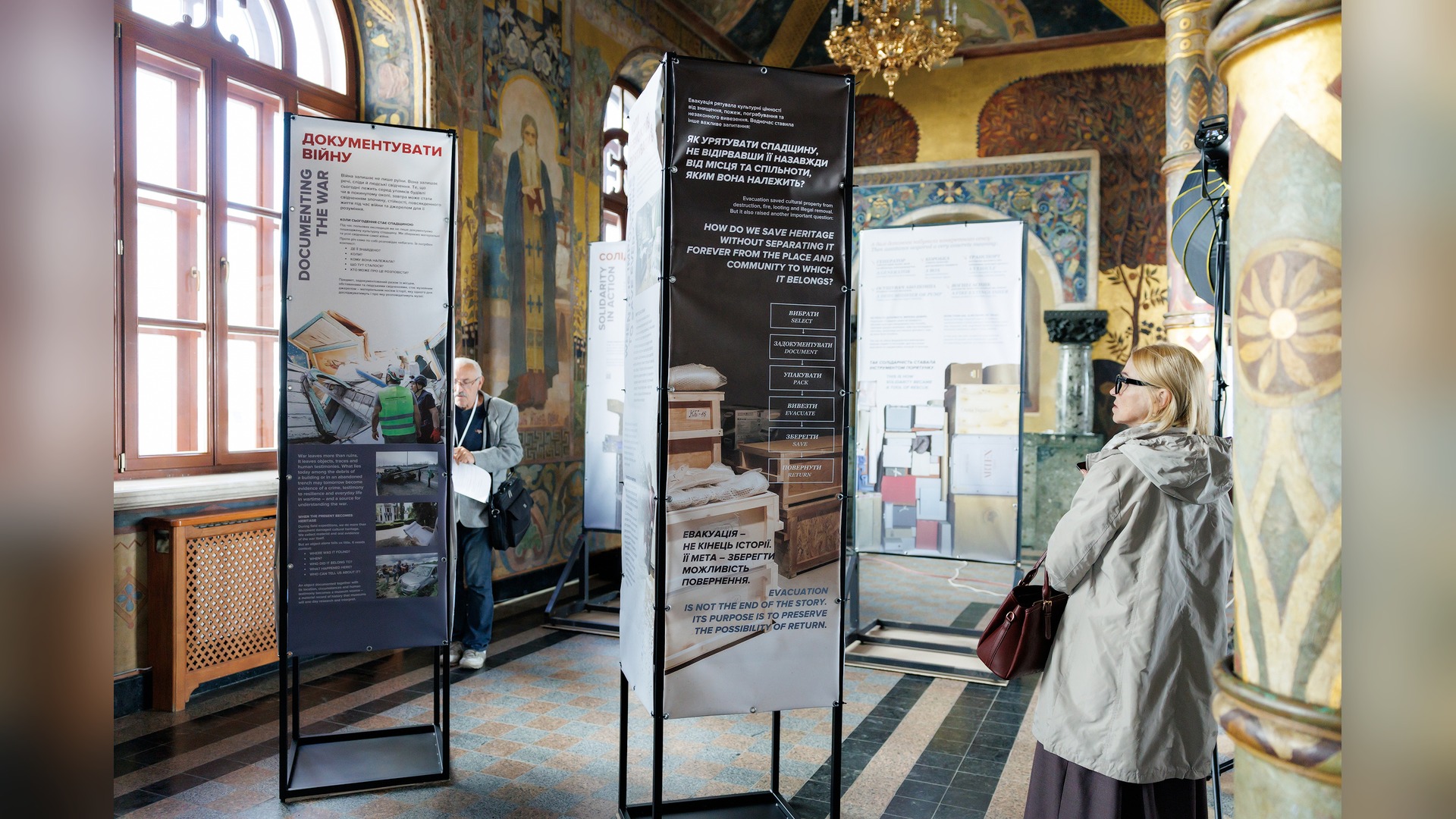
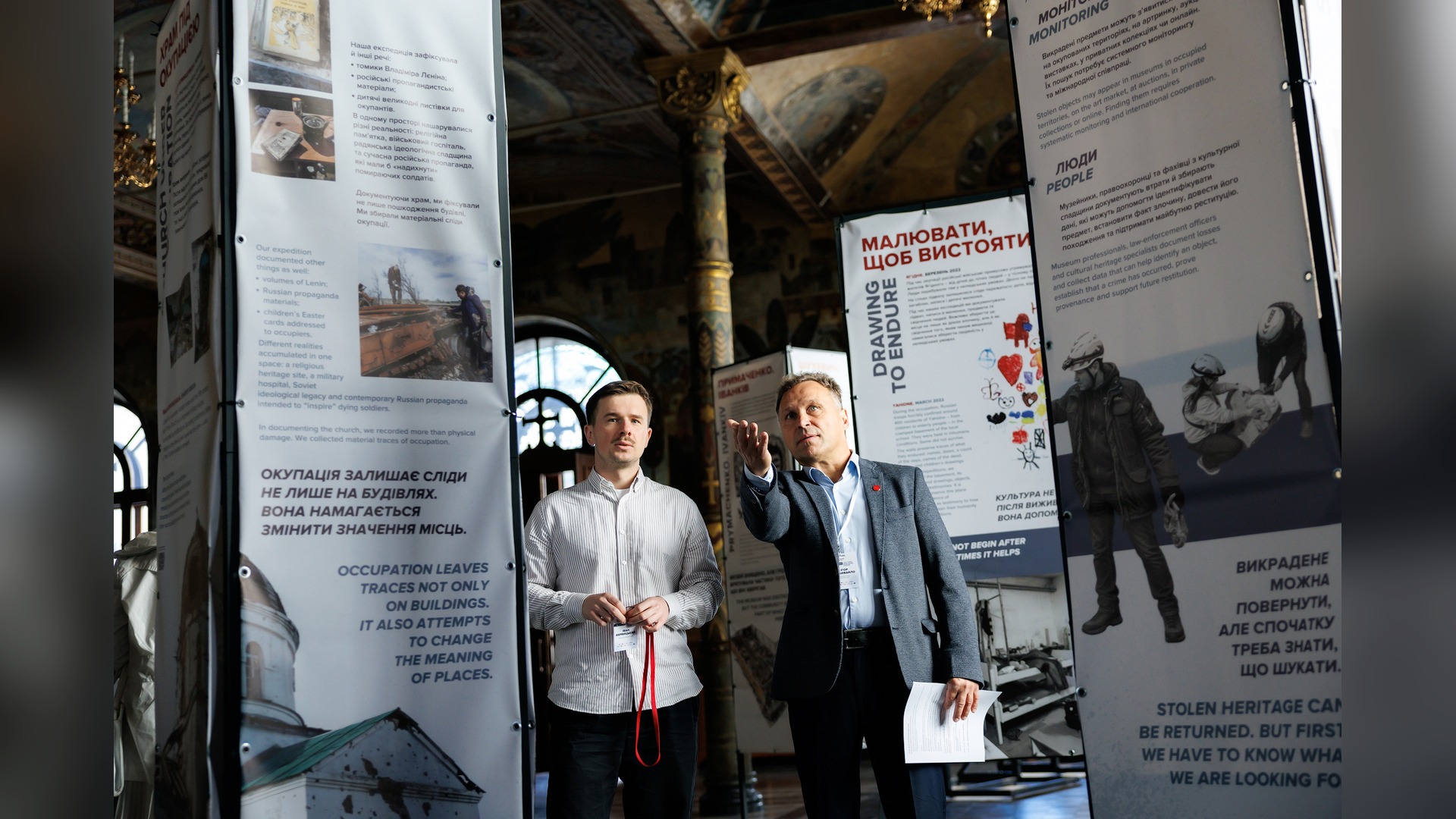
During the Forum, the international exhibition “What We Chose to Save. Stories from Cultural Heritage Rescue Missions in Ukraine” was opened. It tells about the people, decisions, and concrete actions thanks to which cultural heritage is being saved during the war.
The exhibition can currently be seen on the grounds of the National Reserve “Kyiv-Pechersk Lavra”, next to the Dormition Cathedral, damaged by a Russian attack.
The next step is to be the preparation of an analysis of the Forum’s results and a Roadmap of actions with concrete priorities and decisions — from emergency response to a sustainable system for protecting Ukrainian culture.
The Forum was organized by the Agency for Cultural Resilience, the National Museum of the Revolution of Dignity, Cultural Emergency Response, and the National Reserve “Kyiv-Pechersk Lavra”.
The partners were the CER Black Sea Regional Hub, Europa Nostra, the European Cultural Hub, the Ukraine Fulbright Circle, the Institute of International Education, and the Museum of Book and Printing of Ukraine.