
Over three days, participants worked on one of the most challenging topics in contemporary history education: how to talk with students about tragedies, totalitarian regimes, imperial violence, human rights and freedoms, historical memory, and responsibility for one’s own choices.
The theme of the second module — “Human Rights and Freedoms: The Struggle During War” — combined work with historical materials, meetings with scholars and experts, visits to memory sites, discussions, and practical sessions. Throughout, the focus remained on the individual: their life under conditions of unfreedom, the possibility of resisting the system, responsibility for their own decisions, and preserving the memory of those who fought for freedom and human dignity.
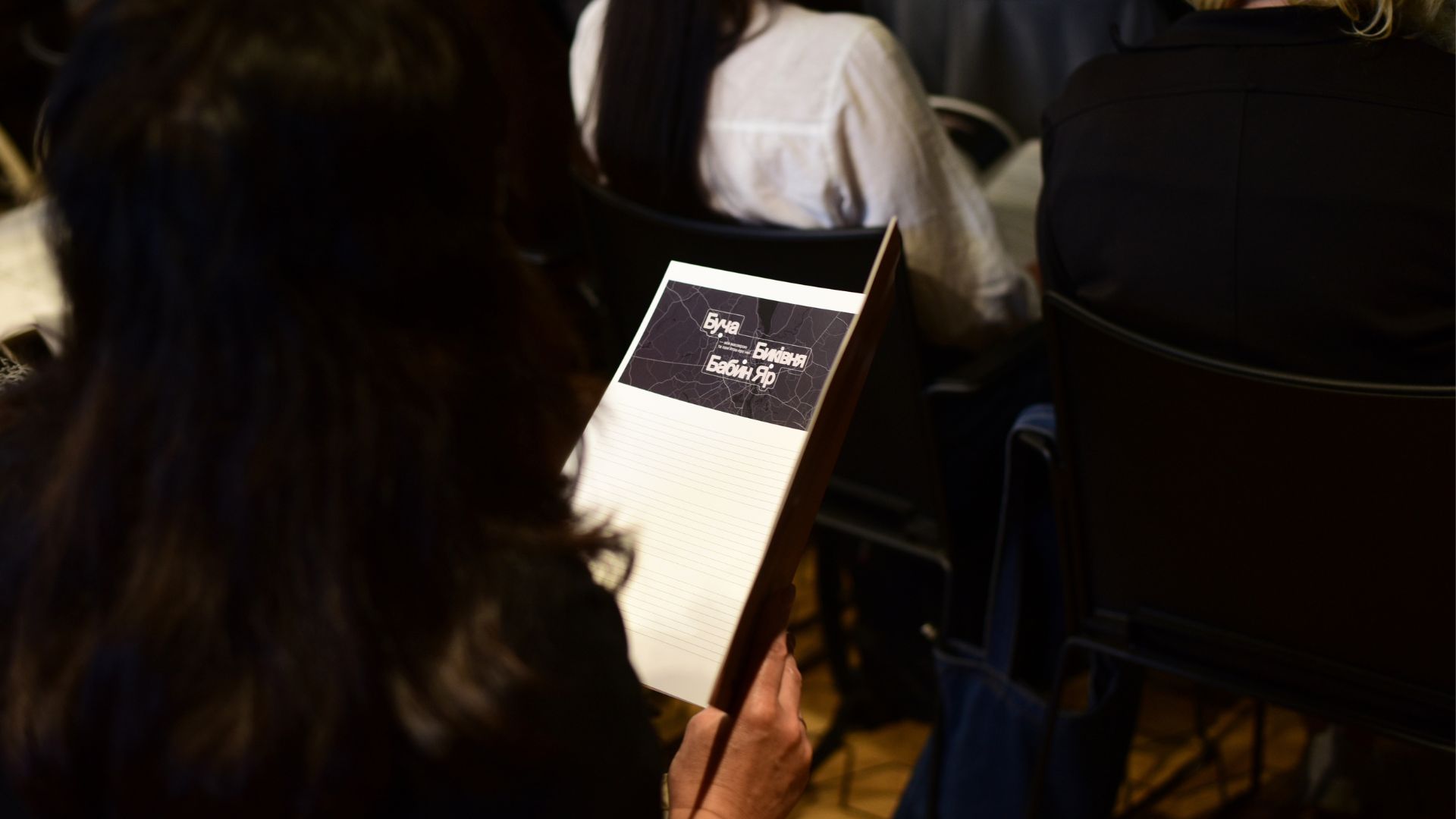
“The theme of the Summer School’s second meeting is how to talk with students about tragedies. Using various historical materials, together with teachers we look for approaches to discussing the tragic events of the 20th century and today with children. Materials from the project “Bykivnia, Babyn Yar, Bucha — Between Massacre and Memory of It” became one of the methodological foundations of our work, offering ways to address difficult topics in history lessons,” said Natalia Omelchuk, coordinator of educational programs at the Pylyp Orlyk Foundation.
How Historical Memory Is Formed
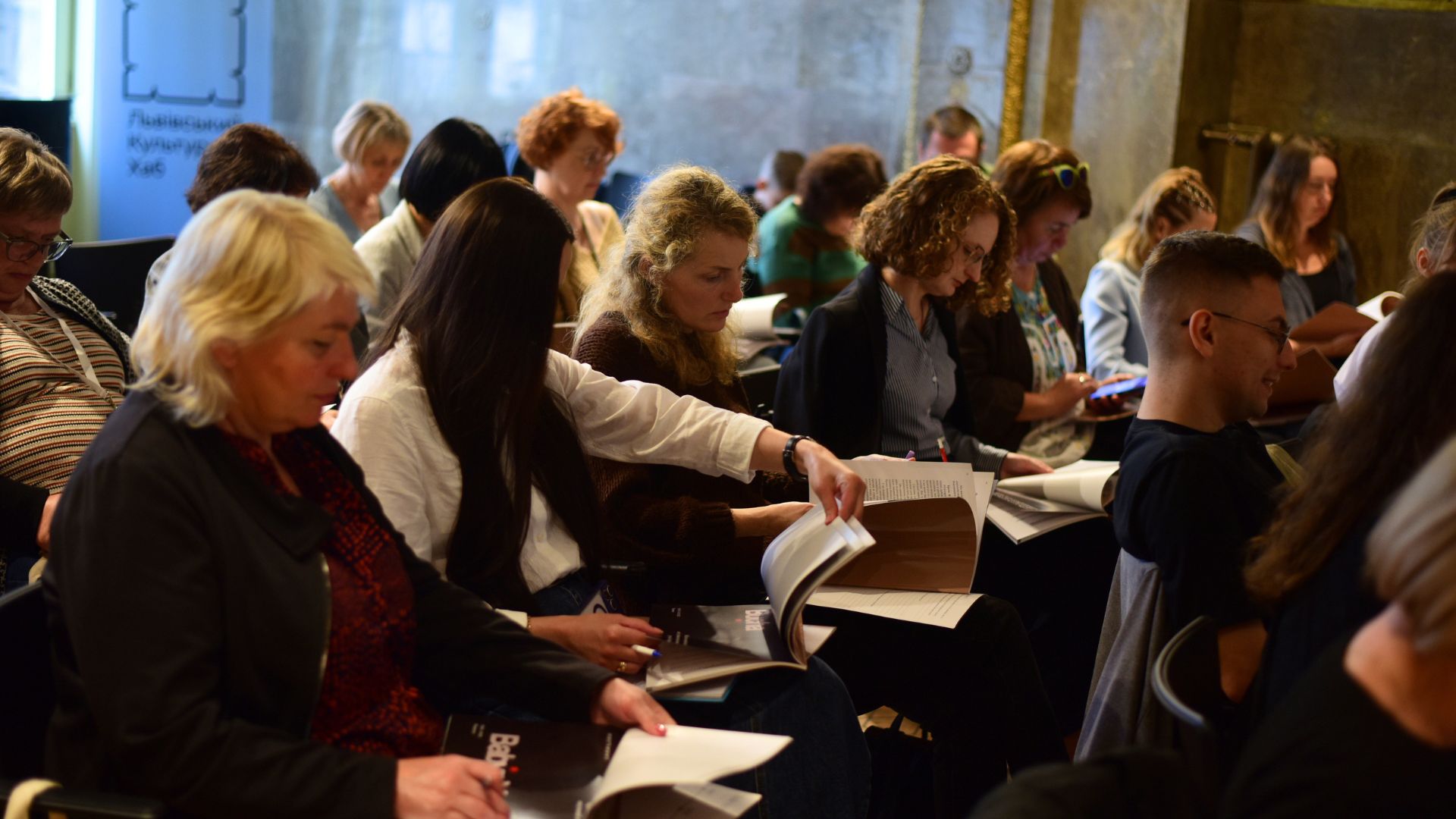
The module’s first day took place at the Lviv Culture Hub and focused on working with difficult and traumatic pages of history, questions of historical memory, and finding approaches that help discuss them with students.
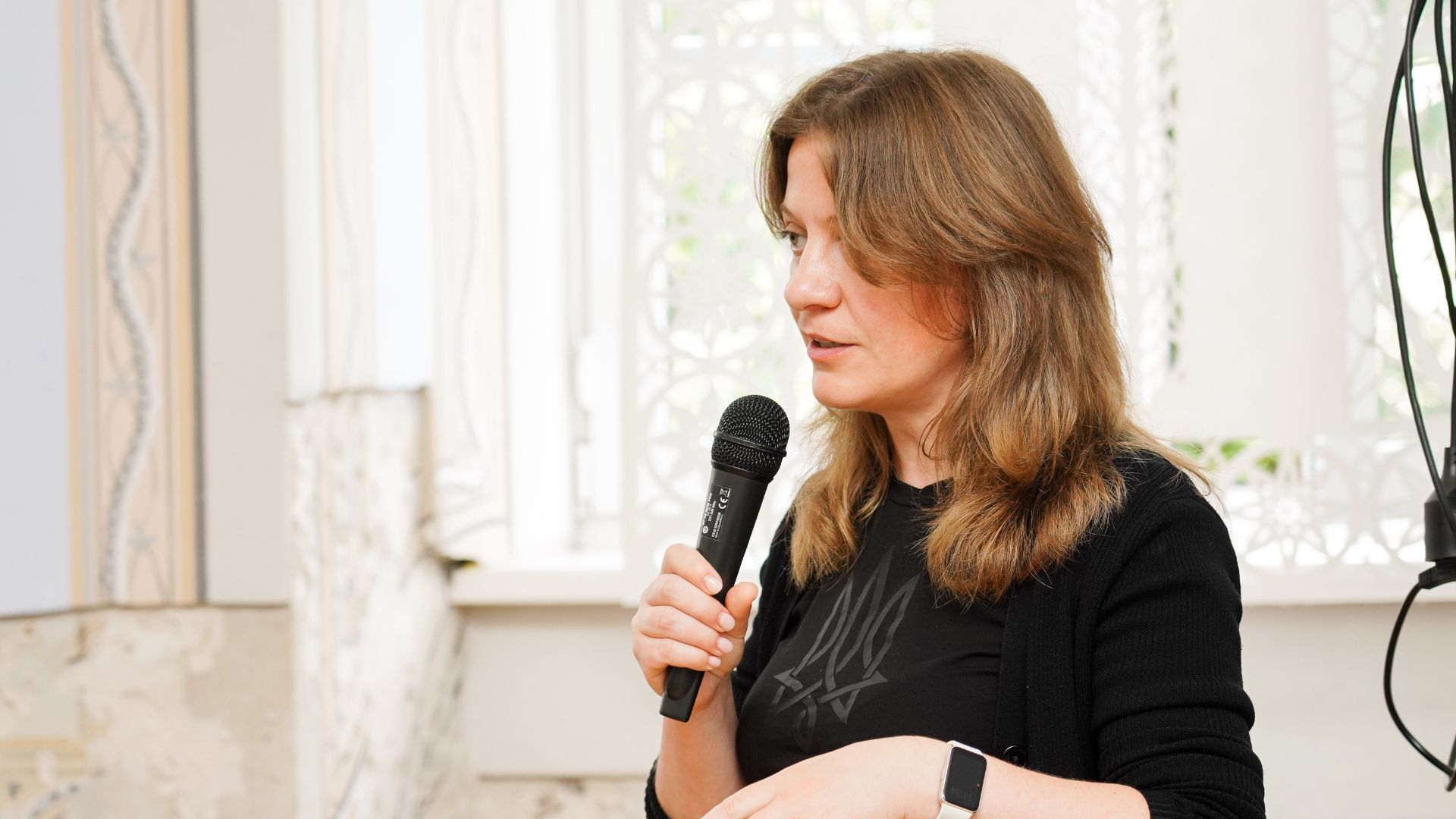
Olha Salo, head of cultural initiatives at the Pylyp Orlyk Foundation, who has worked for more than 15 years in the fields of cultural heritage, museum affairs, cultural policy, and national memory policy, joined the work with participants.
Using the example of the Revolution of Dignity and the commemoration of the Heroes of the Heavenly Hundred, participants examined the mechanisms of forming collective memory, the role of institutions, civic practices and memorialization, and discussed how reinterpreting the past affects the understanding of Ukraine’s present and future.
“It is very interesting to trace how attitudes toward the same event change, how memory is purposefully preserved and formed through certain institutions, civic practices, and practices of memorialization and commemoration. At the same time, this memory remains living and flexible: it can transform and influence broader conclusions about Ukraine’s future, about the values we are fighting for, and about the choice of our country’s future path,” noted Olha Salo.
The first day combined a presentation of methodological materials, discussions, and practical work. Special attention was paid to how to turn conversations about historical tragedies into a space for reflection, the development of critical thinking, and the formation of a responsible attitude toward the past.
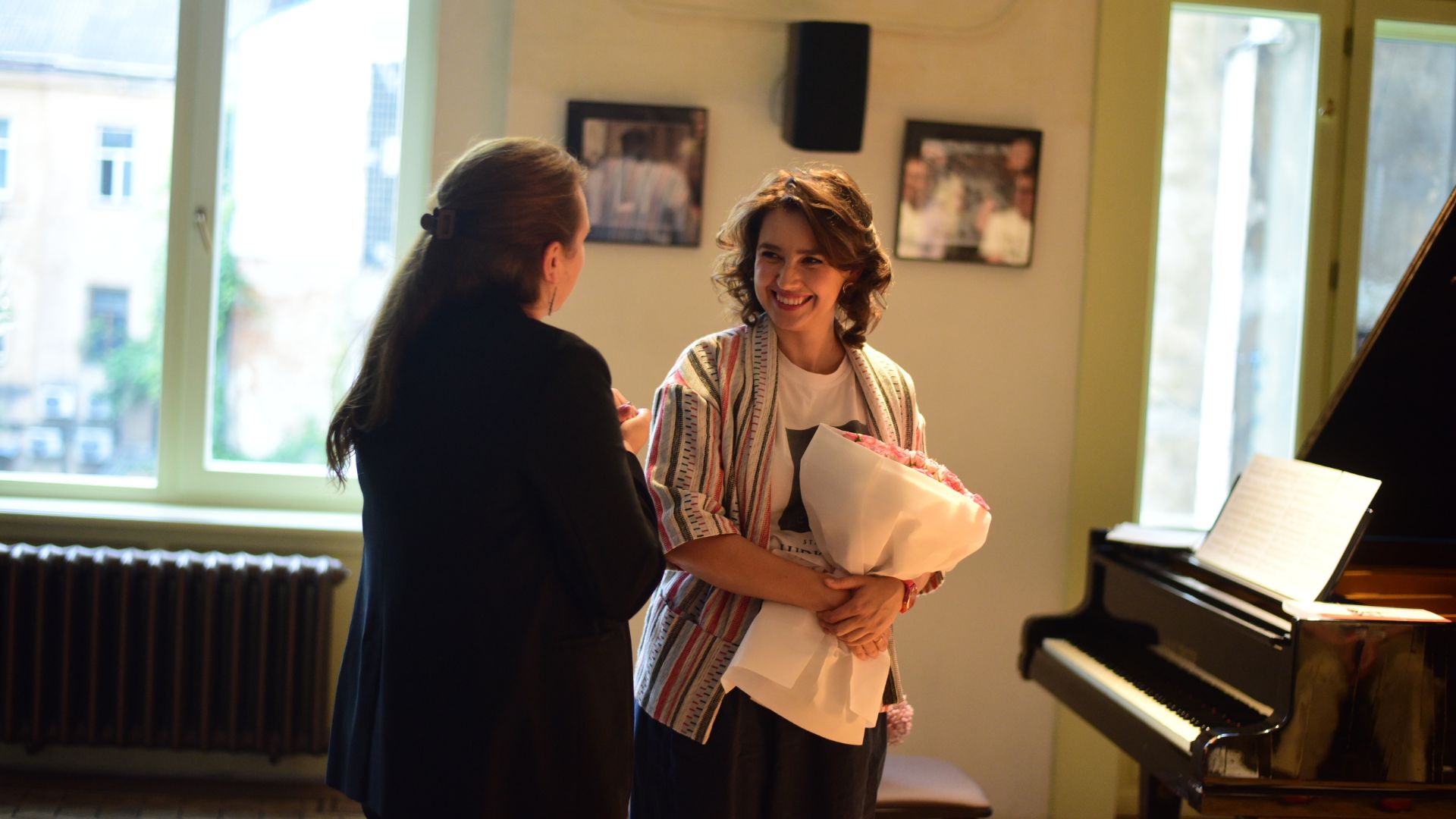
The conversation about historical memory and Ukrainian identity continued — this time through the language of music — with a meeting with pianist, associate professor at the Department of Cultural Studies of the Ukrainian Catholic University, essayist, lecturer, and cultural diplomat Marta Kuziy.
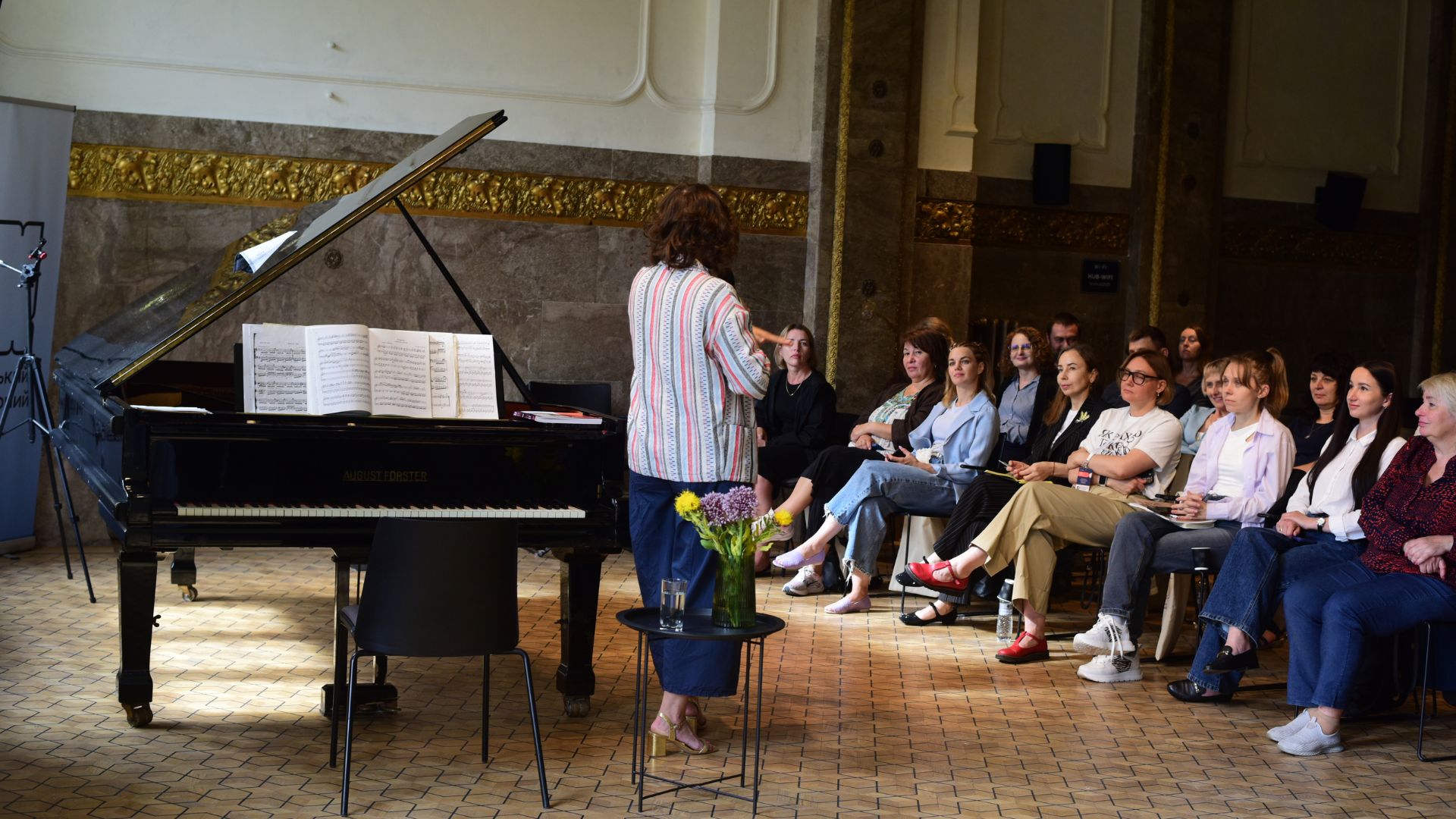
Participants traced various periods in the development of Ukrainian musical culture and discussed the composers, performers, and cultural figures who shaped the Ukrainian sound. This format offered a way to view history through the interconnection of events, people, cultural processes, and music, which also preserves memory of the past and helps to better understand one’s own cultural identity.
The Individual Facing Empire and the Totalitarian System
The module’s second day began at the National Museum-Memorial “Prison on Lontskoho Street” — a space where discussion of totalitarian regimes, historical memory, and human choice took on particular significance.
Historian, researcher, and essayist Olesya Isaiuk led a discussion on the topic “Ukrainians in the Service of Empire: Voluntary Renegades or Victims of Systemic Genocide?”
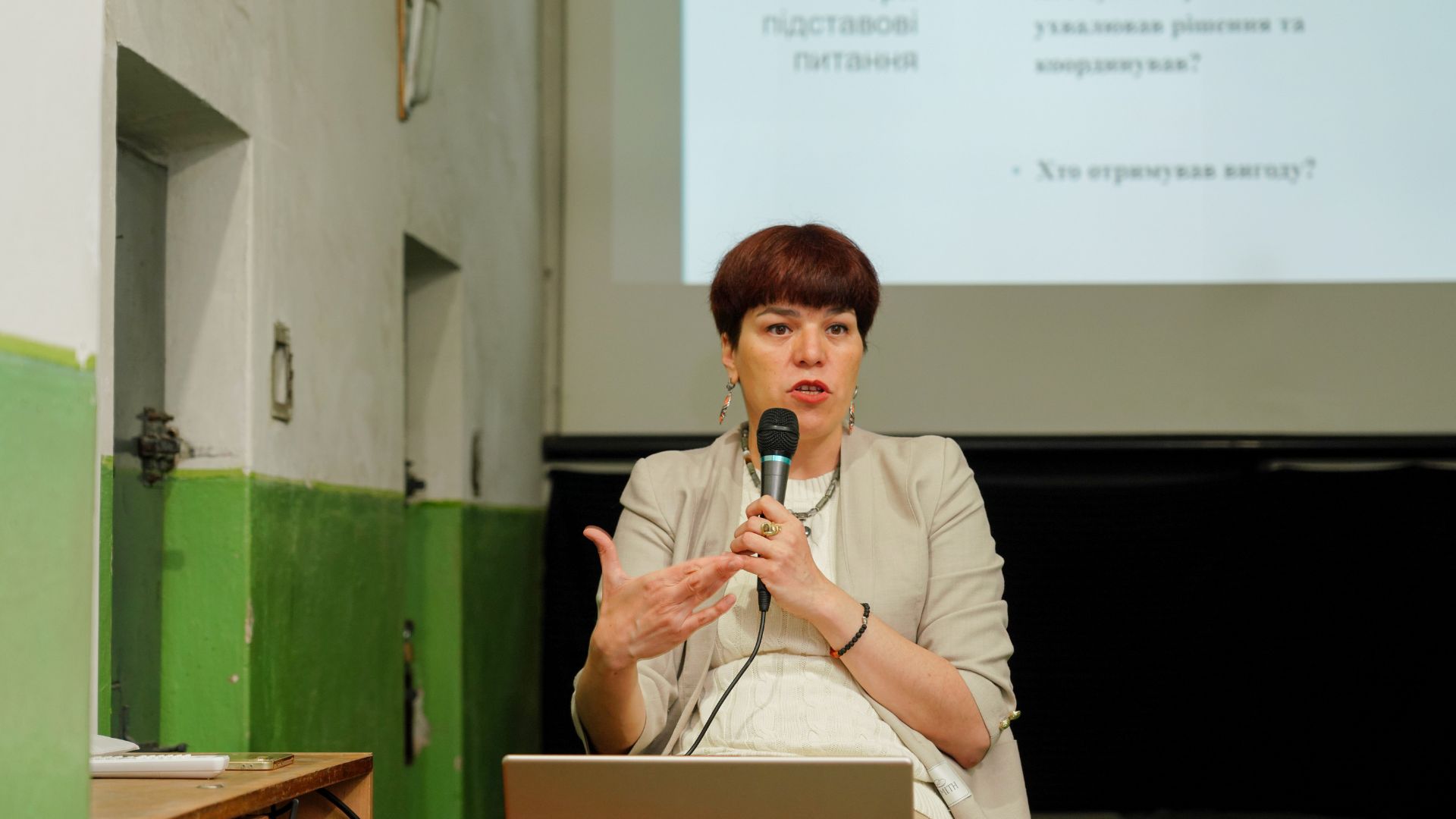
At the center of attention was the complex question of how to assess the choice and responsibility of people who, at various historical periods, found themselves in the service of imperial systems. The researcher invited participants to look at this problem beyond the usual division into “traitors” and “victims,” taking into account differing degrees of agency, differing opportunities to influence circumstances, and differing levels of subjectivity.
“All these groups actually require different approaches. They cannot be lumped together, because they had differing degrees of agency, differing opportunities to influence circumstances, and differing levels of subjectivity,” noted Olesya Isaiuk.
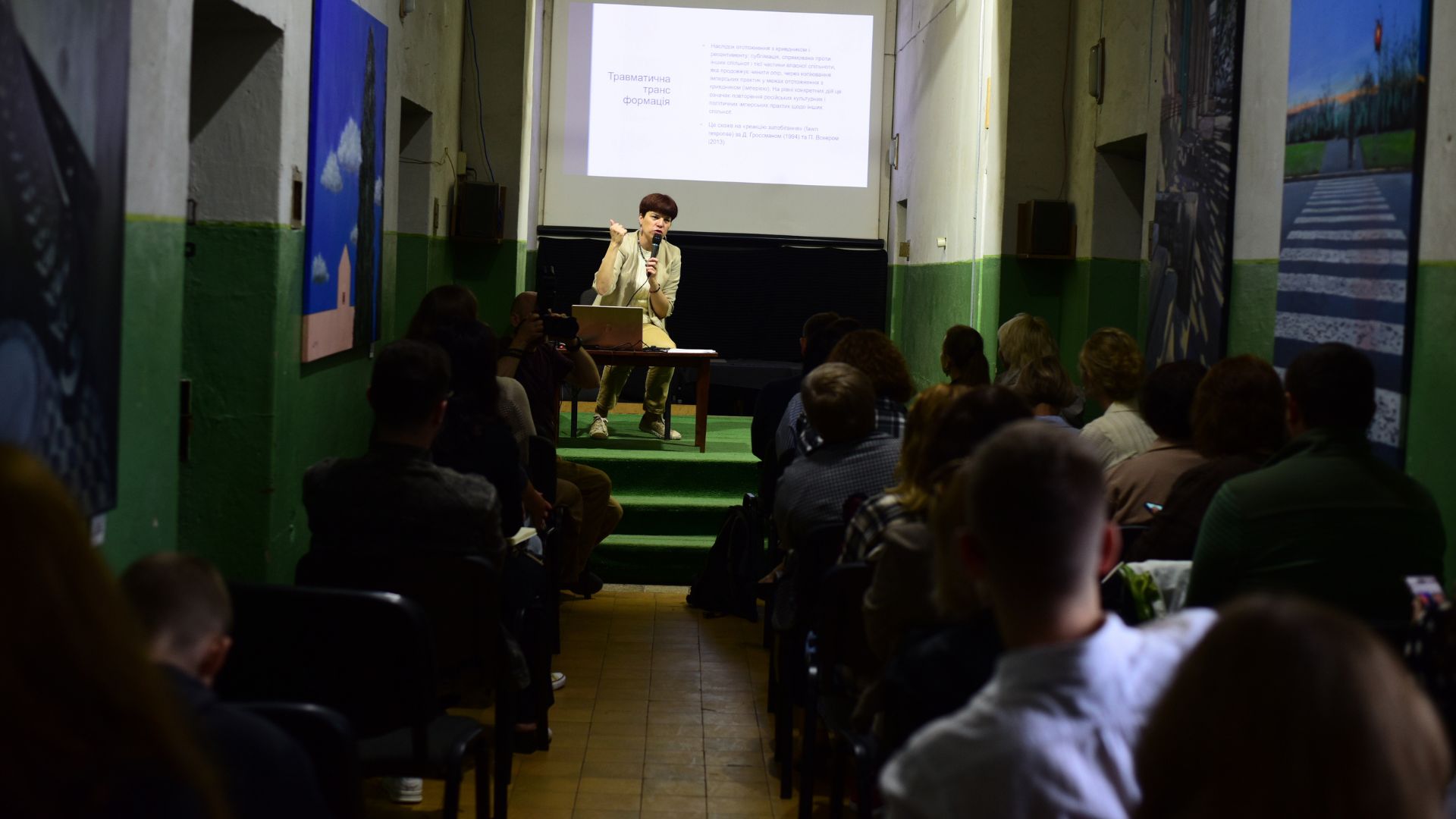
The discussion went far beyond an analysis of the past. Participants spoke about the psychological consequences of the imperial and totalitarian experience, the mechanisms of adaptation to a violent system, and how historical trauma can affect society across decades and generations.
The talk sparked an active discussion. Teachers spoke about how to explain complex historical processes to students, work with questions of responsibility and choice, and how important it is to take into account the context in which people of the past lived and made decisions.
Not Afraid of Complexity
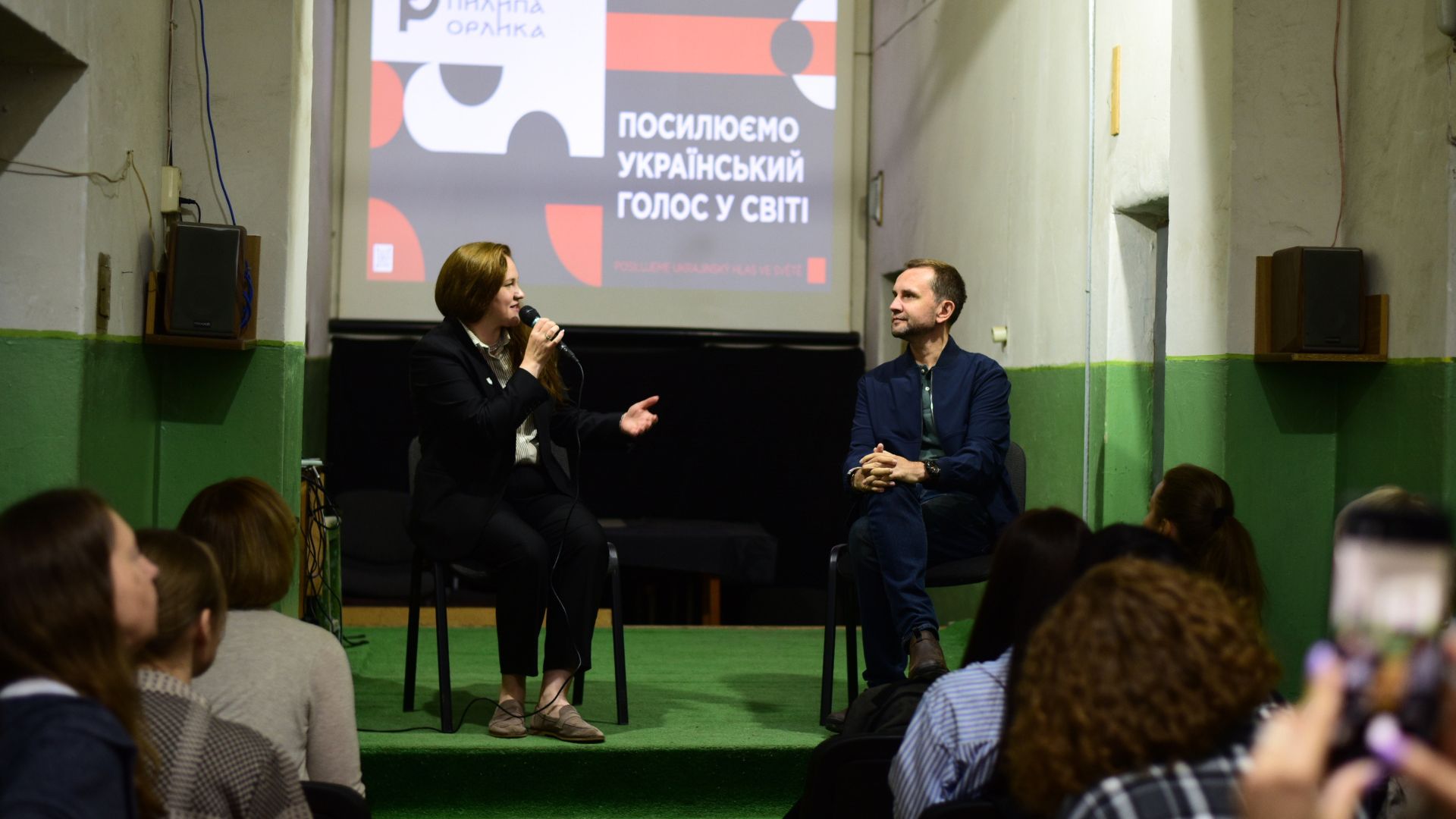
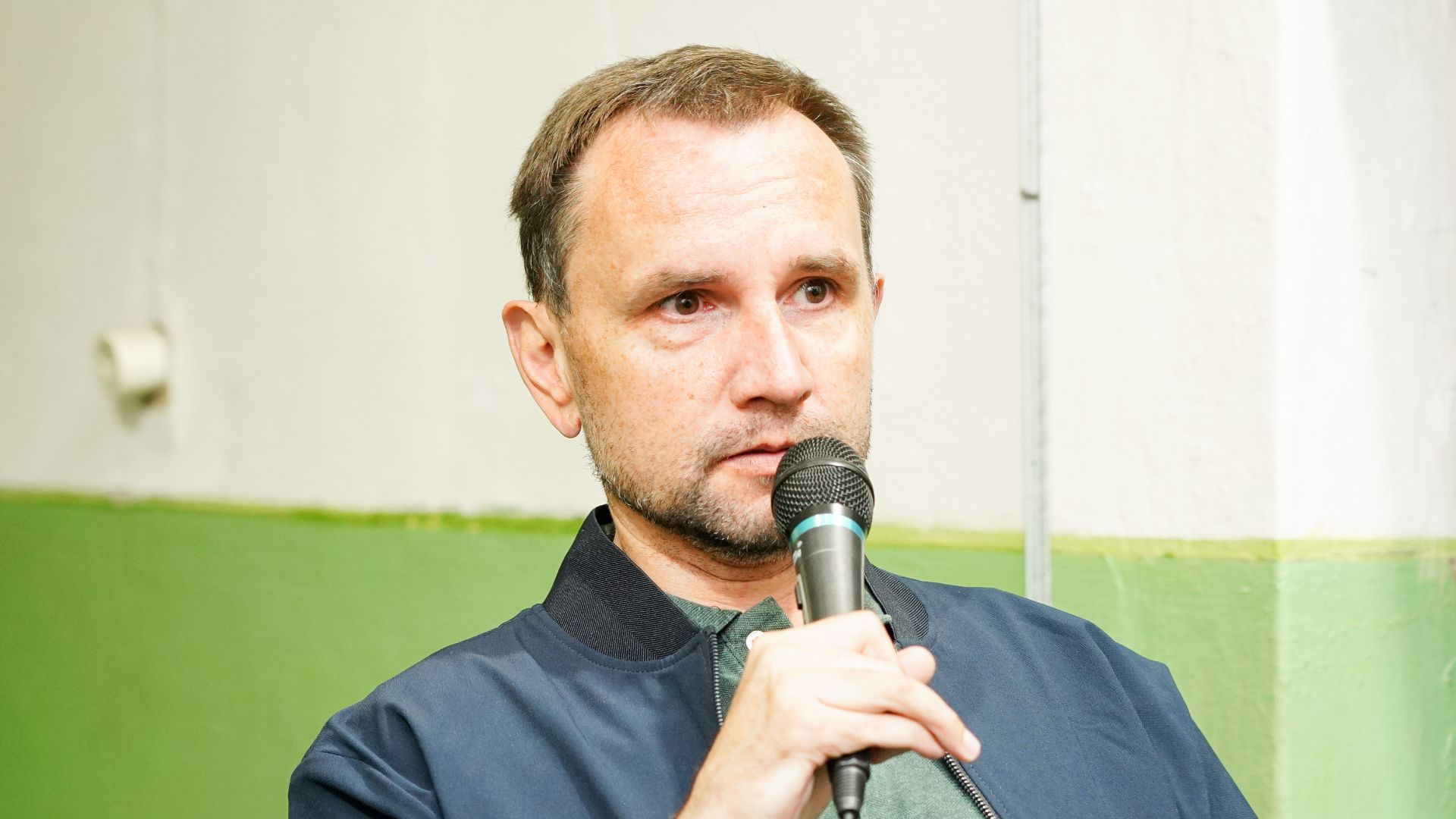
One of the central events of the second day was a meeting with Candidate of Historical Sciences and Member of Parliament of Ukraine Volodymyr Viatrovych — a historian, researcher of the Ukrainian liberation movement, and one of those involved in shaping state policy on national memory in Ukraine.
The conversation was moderated by Natalia Omelchuk. Discussion topics included historical memory, the teaching of history, overcoming Soviet narratives, and the role of education in shaping civic identity.
The meeting quickly moved beyond the traditional lecture format and became a lively dialogue. Teachers asked questions and discussed problems they encounter in their daily work.
The discussion touched on the history of the founding of the National Museum-Memorial “Prison on Lontskoho Street,” the opening of Soviet security service archives, decommunization, the reassessment of World War II, the formation of state national memory policy, Ukrainian-Polish relations, and the contemporary culture of honoring fallen and living heroes.
“We sometimes forget the path we have traveled and how different we truly were,” noted Volodymyr Viatrovych, speaking about the changes that have taken place in Ukrainian society over the decades of independence.
Participants were especially engaged in discussing the teaching of history in schools: school curricula, the integrated course, the place of Ukrainian history in a global context, and ways of working with topics that have no simple or unambiguous answers.
This idea became one of the recurring threads of the entire second module. In wartime conditions, a history teacher does more than convey knowledge — they also help young people critically engage with information, distinguish historical facts from manipulation, see cause-and-effect relationships, and form their own well-reasoned position.
“The curriculum is always just a framework. The framework may be excellent, but it is the teacher who fills it,” noted Volodymyr Viatrovych, emphasizing the teacher’s personal responsibility for how history is presented to the younger generation.
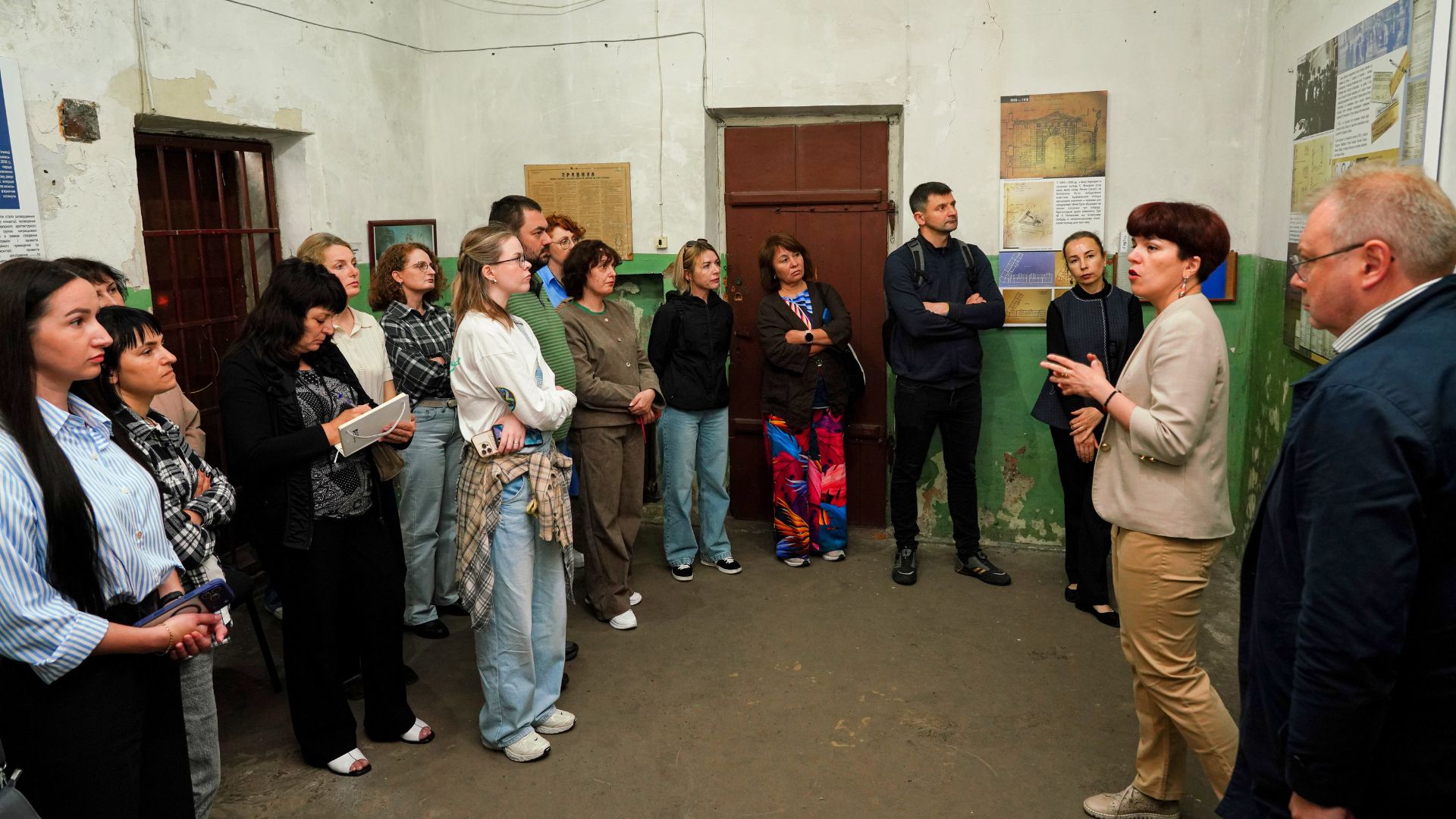
The program continued with a guided tour of the National Museum-Memorial “Prison on Lontskoho Street.” Working directly within a space of memory gave participants the opportunity to discuss the repressions and crimes of totalitarian regimes through concrete human stories, documents, and testimonies.
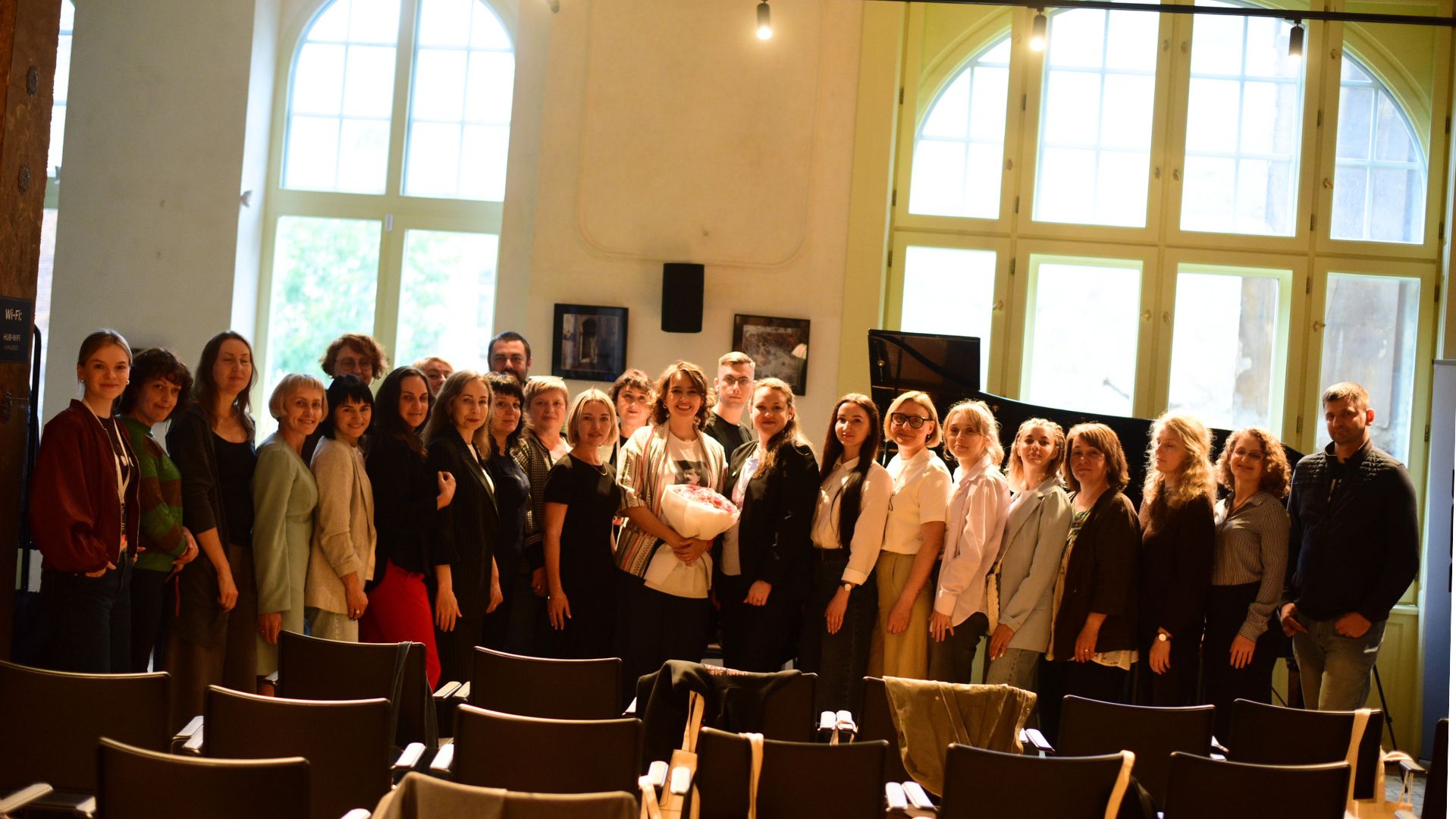
After returning to the Lviv Culture Hub — the event’s organizational partner — participants continued practical work together with Natalia Omelchuk during the session “Freedom and Responsibility.”
How to Preserve the Memory of a Person
The final day of the second module began at the Roman Ivanychuk Lviv Regional Library for Youth with a meeting with Natalia Kuba, Global L&D Operations and Excellence Director at SoftServe, lecturer at Ivan Franko National University of Lviv and Lviv Polytechnic, and civic activist.
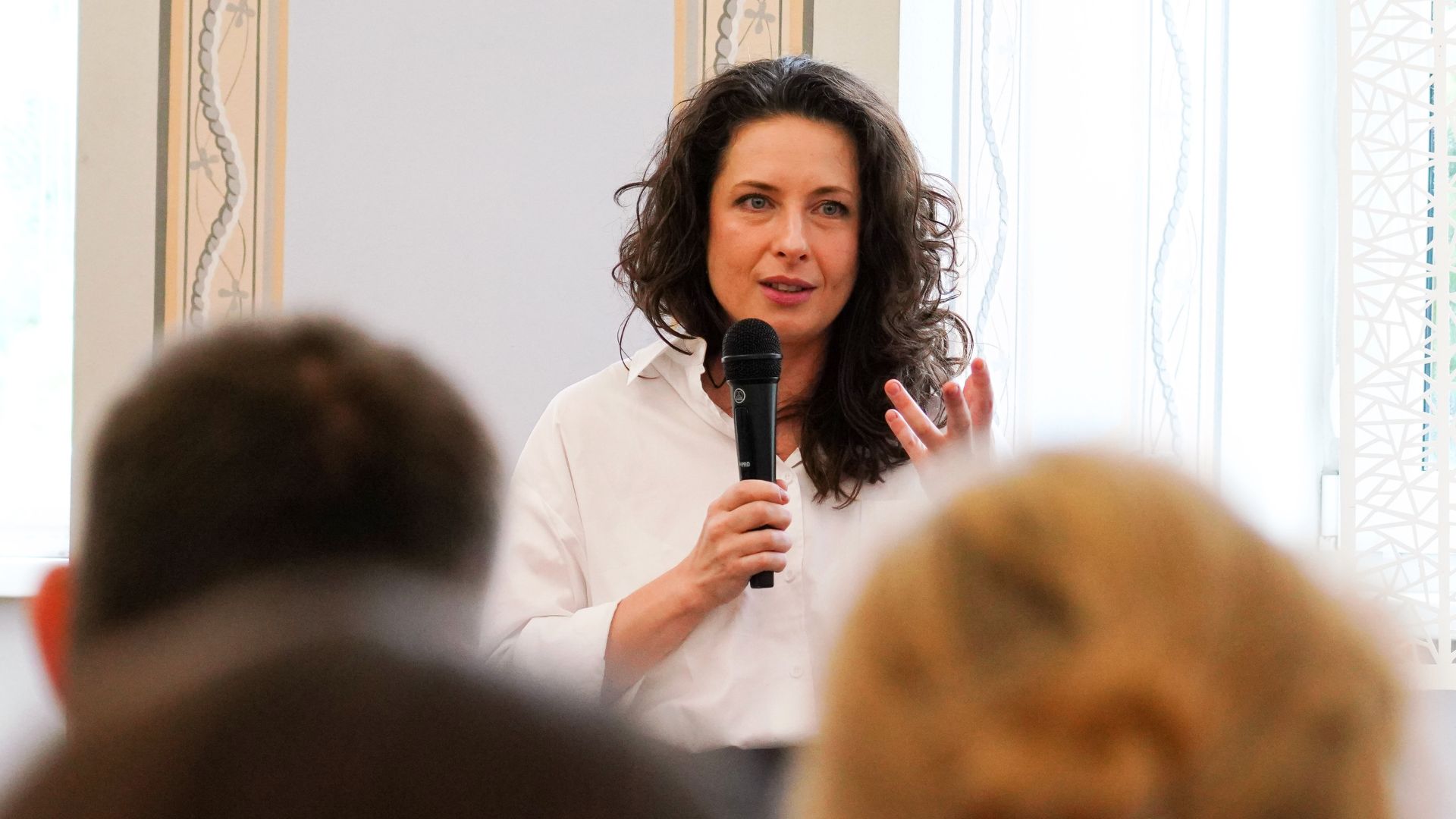
The conversation centered on working with the memory of fallen Ukrainian soldiers and honoring them, using the example of the “Nezghasni” (Unfading) online memorial.
Natalia Kuba spoke about how the idea for the project arose, the creation of the digital platform, and the search for an answer to a complex question: how to preserve the memory of the fallen not only through names, dates, and facts, but through the stories of their lives, values, and choices.
An important part of the work on the project was researching the needs of different audiences. The team engaged with service members, veterans, families of the fallen, educators, and representatives of civic organizations and local government.
“This should not be some template. It should be the story of a person, one that can be shared with others,” emphasized Natalia Kuba.
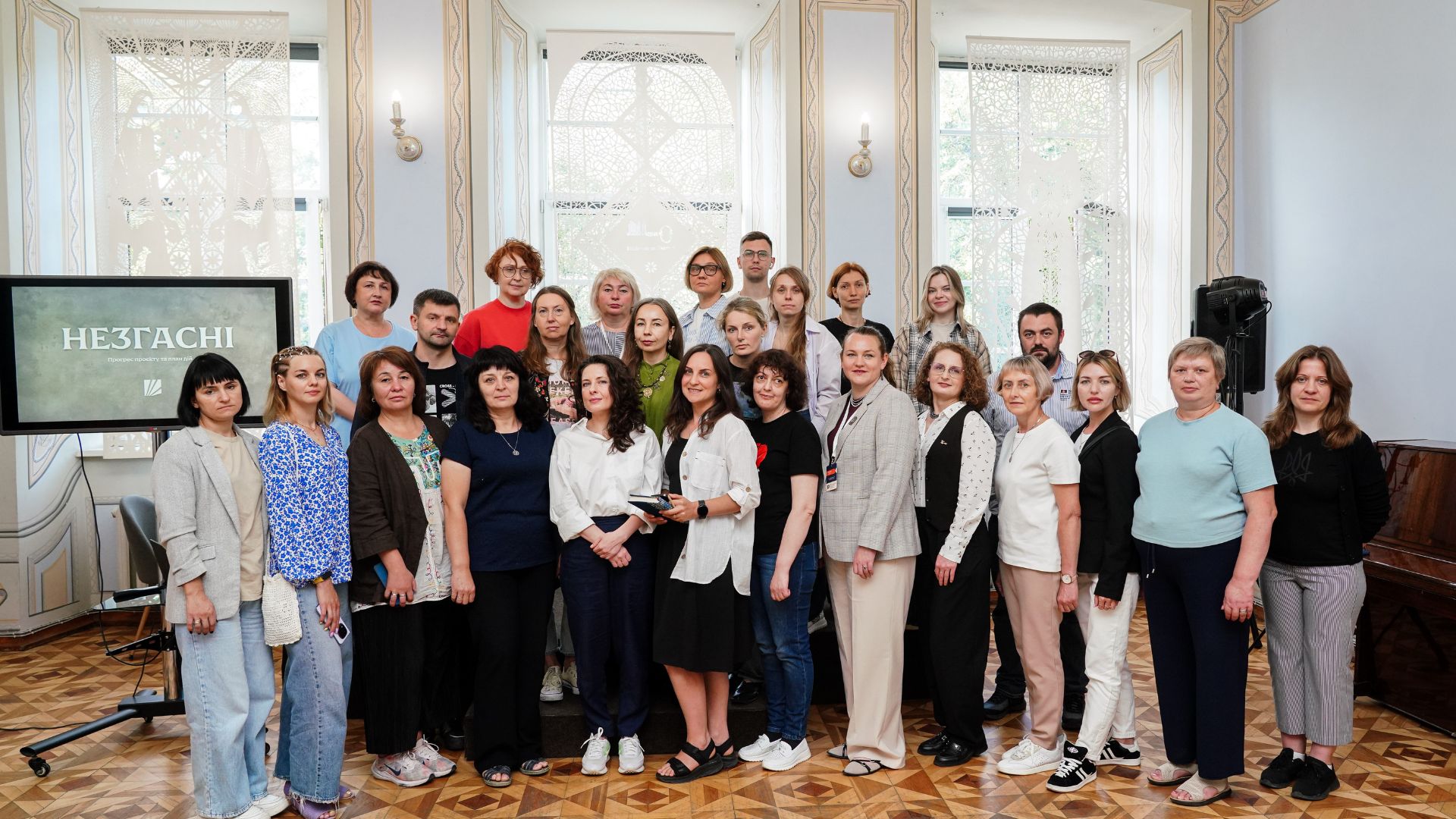
A separate topic was the extraordinary sensitivity of working with memory and the need for dialogue with the families of the fallen. In such work there are no universal solutions; instead, empathy, respect, and a willingness to listen take on special importance.
The creation of “Nezghasni” is based on the design-thinking method, which involves moving not from a predetermined solution but from research into people’s real needs. This idea sparked further discussion: the best solutions emerge when people arrive not with ready-made answers, but with a readiness to explore the problem, listen to others, and search for solutions together.
From Historical Knowledge to Working with Students
The final day continued with the practical session “The Struggle for Rights,” led by Natalia Omelchuk.
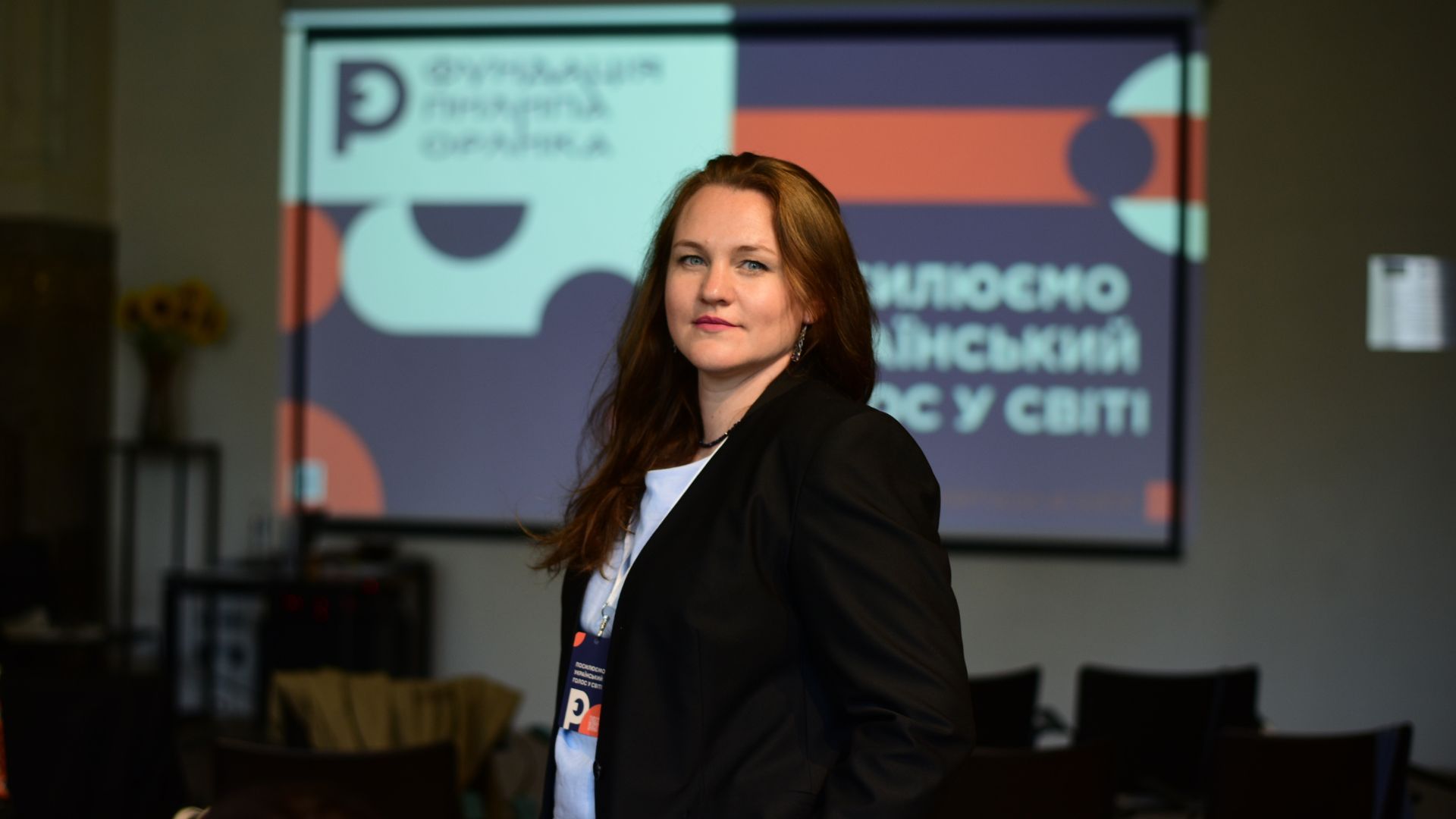
Participants worked with the theme of the human rights movement in Ukraine and the stories of people who dared to resist the system and defend human dignity, rights, and freedoms.
“This is a conversation about seeking paths, about justice, about people who decide to go against the system, to seek justice, to seek protection of their rights and freedoms,” emphasized Natalia Omelchuk.
During the practical part, teachers formed teams, worked with materials about representatives of the human rights movement, researched their stories, and presented the results of their joint work.
An important part of the session was a discussion of how to bring these themes into school classrooms and encourage students not only to memorize historical facts, but to analyze human actions, motives, and decisions.
Direct conversations with scholars, researchers, and practitioners are especially valuable for educators, as they allow for a deeper understanding of difficult pages of history, familiarity with contemporary approaches, and the transfer of this knowledge and experience into work with students.
The second module concluded with a joint reflection circle. Participants spoke about the three days of work in Lviv, meetings with speakers, the spaces they visited, the experience gained, and practical tools they plan to use starting from the new academic year.
“Last time I only thought about how to memorize all of this, but now I’m taking away five ready-made assignments with a clear understanding of how I will implement them, and a vision for these lessons with complex cases and ideas for discussion. I’m leaving with an entire section on civic education that I will use starting in September,” said one of the program’s participants.
In the final circle, teachers spoke at length about the power of the professional community and the need not to be left alone with difficult questions.
“We have this ‘I,’ but we don’t have this ‘we.’ We need to learn to come together,” was said during the closing discussion.
This very combination of knowledge, practical work, personal experience, and live dialogue became one of the main results of the second module.
Over the course of three days, participants discussed various historical periods, events, and figures, but each time returned to shared questions: what determines a person’s choices, where does their responsibility begin, how does society preserve memory, and how do we talk with the younger generation about a past in which simple answers rarely exist.
From the tragedies of the 20th century to the contemporary Russian-Ukrainian war, from the experience of life under imperial and totalitarian systems to the struggle of human rights defenders, from the memory of the Revolution of Dignity to preserving the stories of fallen Ukrainian soldiers — all the themes of the second module were united by attention to the individual, their dignity, freedom, and responsibility.
The second module of the Summer School has concluded, but the program’s work continues. Ahead lie new meetings and further joint work. The main outcome of these three days was not ready-made answers, but tools, experience, and a professional community that help teachers do what matters most: teach young people not to fear the complexity of history, to see the human being behind historical processes, to think critically, to ask questions, and to recognize their own responsibility for the future.
Photo – Vitaliy Grabar, Olena Kyrychenko-Povolotska


