
Scope of the Study
The study covers the period from February 2025 to February 2026. Its authors — Serhii Mikhalkov, Natalia Romanyshyn, Artem Korol, Nikita Holovinskyi, Nadia Kelm, Romana Kulchynsky, Halyna Pastukh, Yaryna Yasynevych, and Oksana Poltavets — analyzed: 167,941 publications from 21 Czech-language online outlets of a disinformation and conspiracy nature;
22,283 videos from 26 Czech YouTube channels — ranging from public media and independent outlets to far-right and conspiracy channels; and more than 1.8 million comments, including through cross-platform analysis of shared accounts active on both Czech and Ukrainian YouTube.
Key Findings
The researchers identified 55 pro-Russian narratives across seven thematic groups: the war in Ukraine, Russia, the United States, Europe, the Czech Republic, Ukraine, and international events. Sixty-six percent of the analyzed publications contained at least one propaganda narrative.
The most prevalent narratives were “Ukraine is losing the war” (28,095 publications), “Trump’s peace strategy” (17,344), and “The EU and Britain are prolonging the war in Ukraine” (12,404). Among the messaging employed: accusations of Ukraine committing crimes against humanity, rhetoric about the collapse of Europe, and justifications of Russian aggression through the narrative of “liberation from Nazism.”
An analysis of 381,903 external links showed that low-quality Czech outlets directly rely on content from RT, TASS, RIA Novosti, and Telegram channels linked to Russian-affiliated authors. Telegram and telegra.ph alone account for 84,370 links — more than five times the combined total of all other social media platforms.
The study also documented 577 accounts showing signs of bot or troll activity simultaneously active in the Czech and Ukrainian YouTube segments, having left more than 238,000 comments on Czech channels.
Discussion
Study lead Serhii Mikhalkov explained the logic behind the emergence of proxy media outlets: “After the European Union imposed restrictions on Russia’s main information channels, they began looking for alternative routes. Creating such websites is one of them — it is adaptation, camouflage as local content, and an amplification effect.” He also cautioned against dismissing so-called “garbage sites”: “Some of these sites are part of a truth network. They are populated so that AI models trained on data corpora also receive narrative amplification from them.”
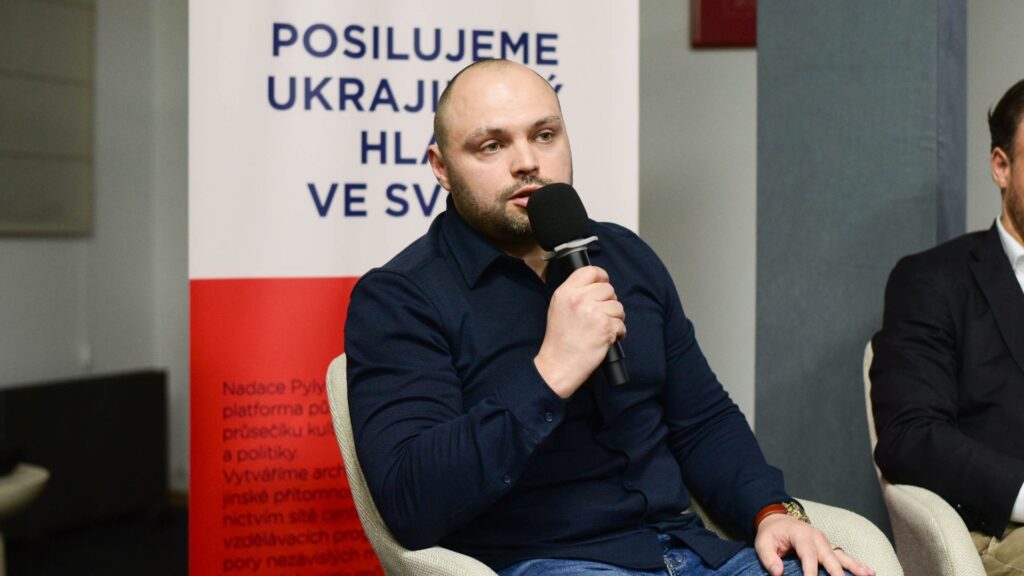
Participants discussed methods of countering Russian disinformation and its real impact on the political situation in the Czech Republic.
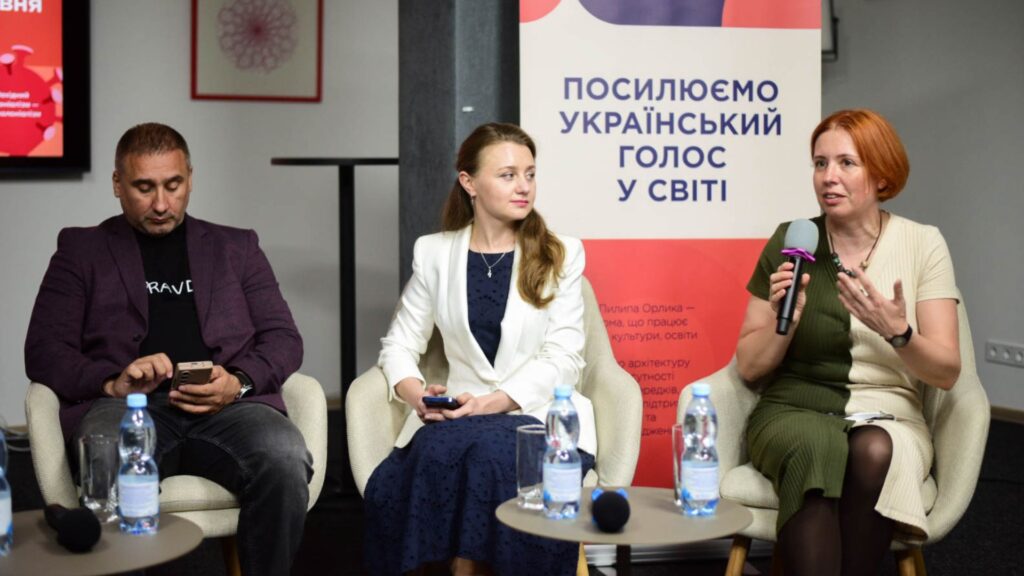
Pylyp Orlyk Foundation Program Director and study co-author Yaryna Yasynevych, who moderated the event, emphasized: “The study presented today by the Texty.org.ua team shows that this is not about isolated fakes. This is about a system — one whose goal is not necessarily to make society pro-Russian. Often it is enough to make it tired, irritated, distrustful, and indifferent, and thus receptive to hostile narratives.”
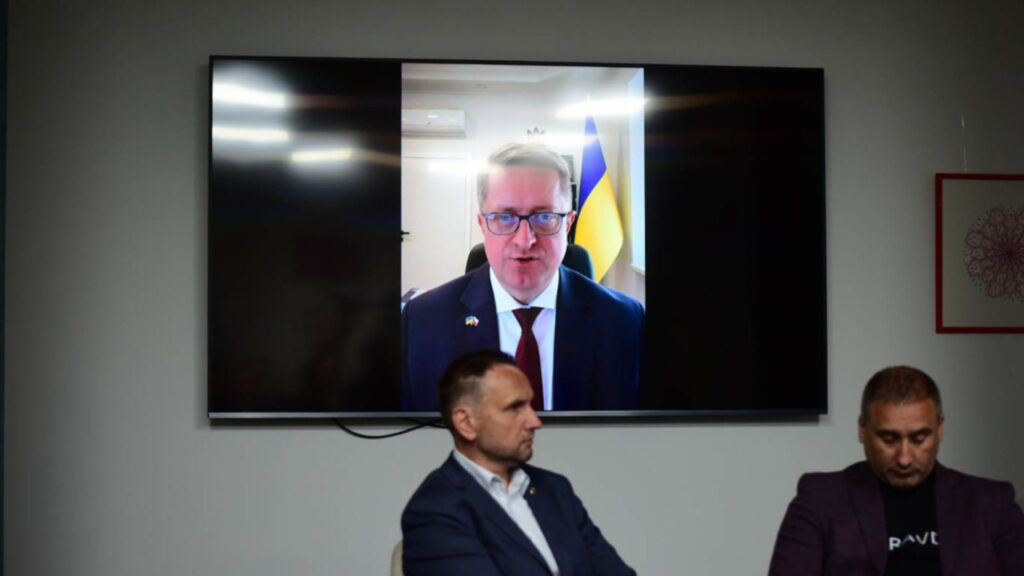
Ukraine’s Ambassador to the Czech Republic Vasyl Zvarych stressed the systemic nature of the threat: “Before the tanks rolled, propaganda was already at work. This was true of Nazi Germany, and Putin’s Russia operates the same way today. Words first prepare the ground for aggression — and then the weapons follow.” He also drew attention to the dual misuse of democratic freedoms: “Freedom of speech cannot be used as a justification for spreading lies, manipulation, hate speech, and propaganda of aggression.”
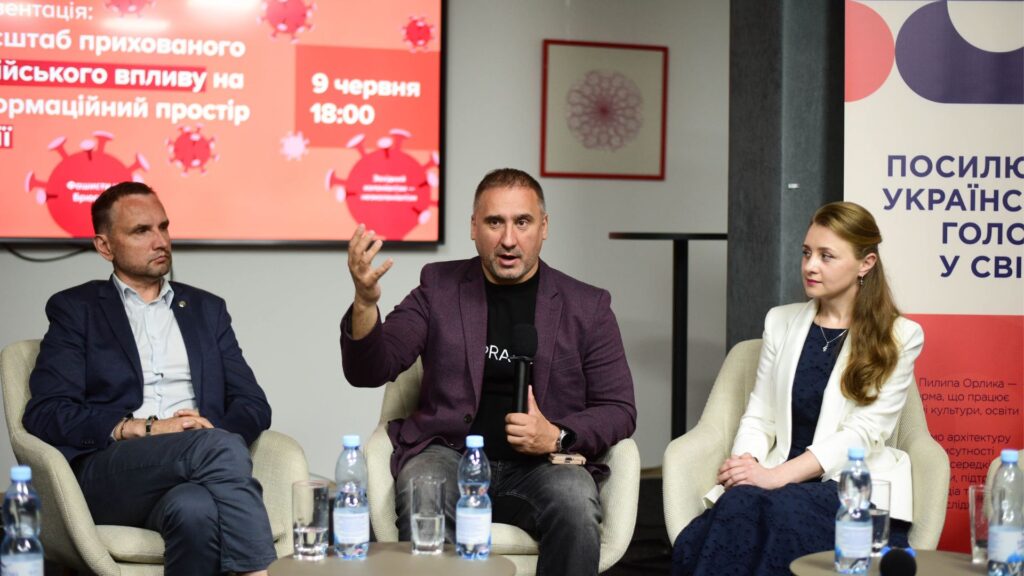
Center for Strategic Communications Director Ihor Solovei outlined three key areas for countering disinformation — restricting platforms for propaganda, creating alternative content, and building media literacy — and emphasized the need to move from passive defense to active engagement: “Purely defending in an information war is not enough — you cannot win that way. An effective strategy combines defense and offense. Active defense means not only responding to attacks, but also operating in the adversary’s information space, shaping the agenda, and delivering your messages to their audience.”
Ukrainian MP and historian Volodymyr Viatrovych highlighted the deep roots of the techniques being employed: “Active measures are not necessarily disinformation — not necessarily lies. Sometimes they involve truth, correctly presented, correctly focused, at the right time.” He also called for moving the information confrontation onto Russian territory itself: “We need our own equivalent of Radio Free Europe from the 1970s, broadcasting into the Soviet Union. We must work with the enslaved peoples of Russia — bring the information war onto its own territory.”
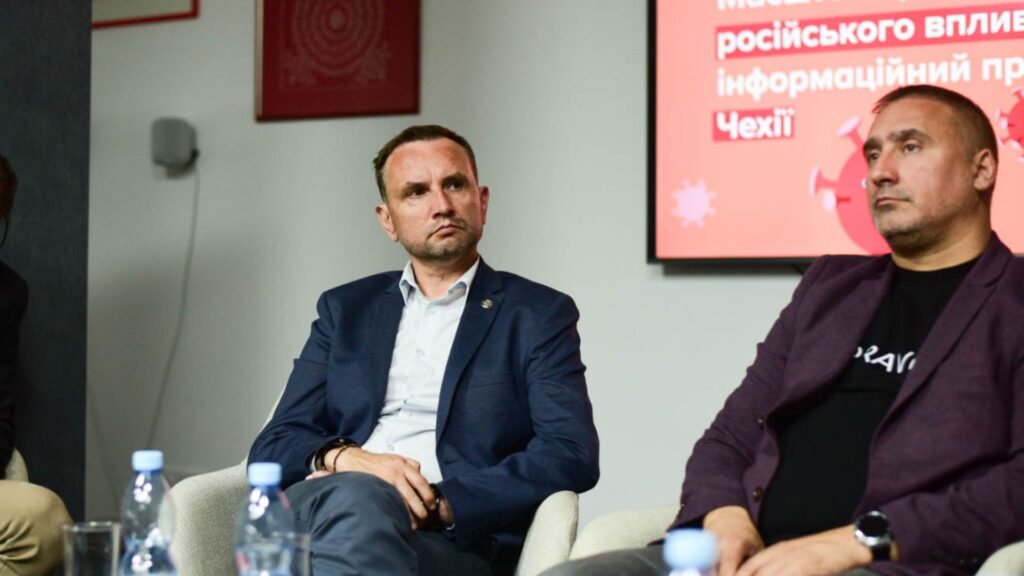
Czech political scientist from Charles University Jan Šír broadened the scope of the discussion: “The study is focused on marginal disinformation resources. But I would be very interested to see a similar analysis of mainstream media. There are concerns that the results would not differ greatly, since many of these narratives are already present in the Czech information mainstream.”
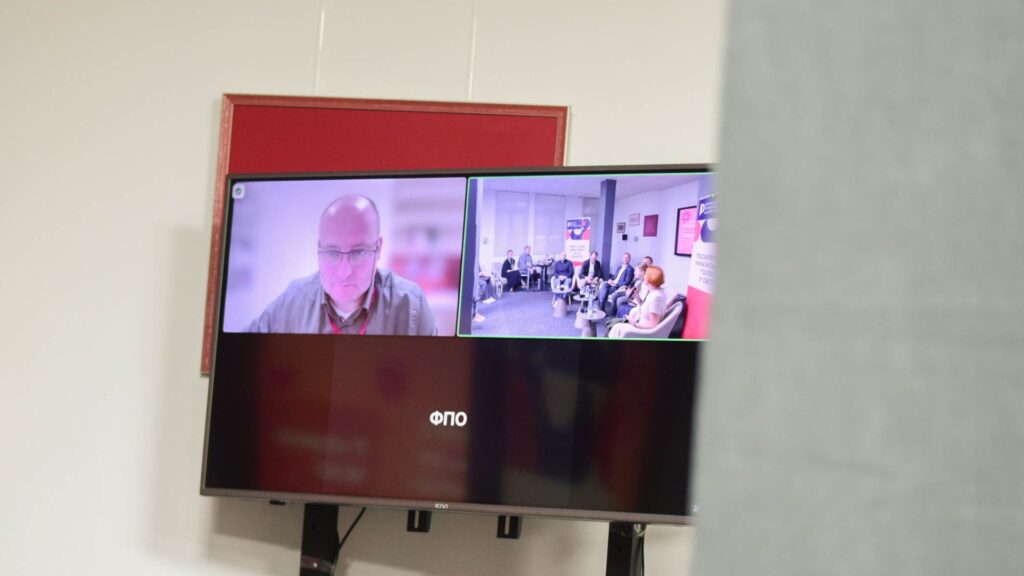
“Russia is using social media, platform algorithms, and AI-generated content to undermine trust in Ukraine, reduce support from Western countries, and destabilize democratic institutions. No single country can address this alone — international cooperation, data sharing, and the exchange of experience are essential for the resilience of our societies,” said Yuliia Yanchuk, Deputy Director of the Department of Strategic Communications and Promotion of Ukrainian Culture at the Ministry of Culture and Strategic Communications of Ukraine.
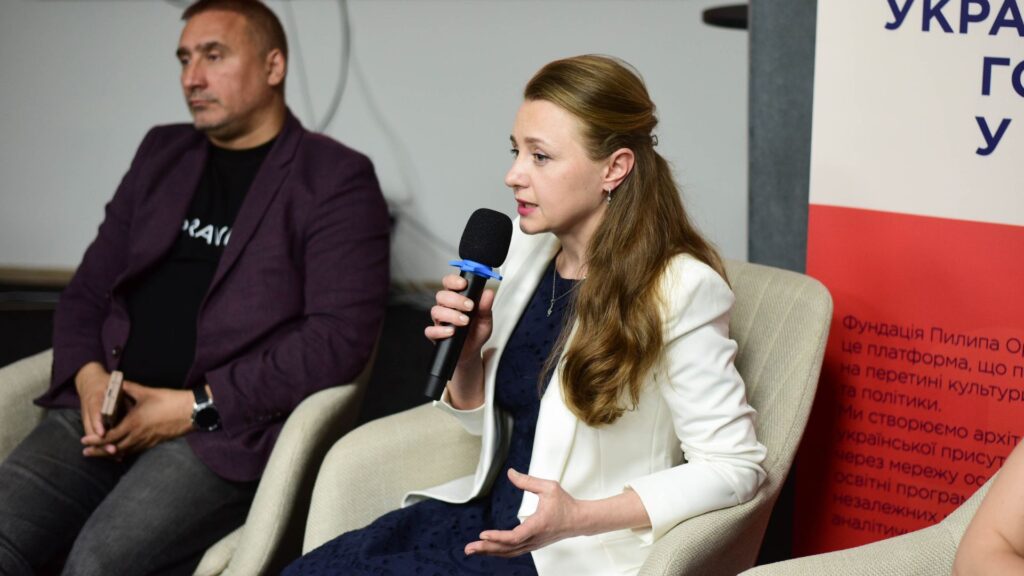
“This is our shared struggle. Czechs and Ukrainians are not merely talking about the threat of Russian propaganda — they are working together and seeking solutions together,” said the Ambassador Extraordinary and Plenipotentiary of the Czech Republic to Ukraine, Luboš Veselý.
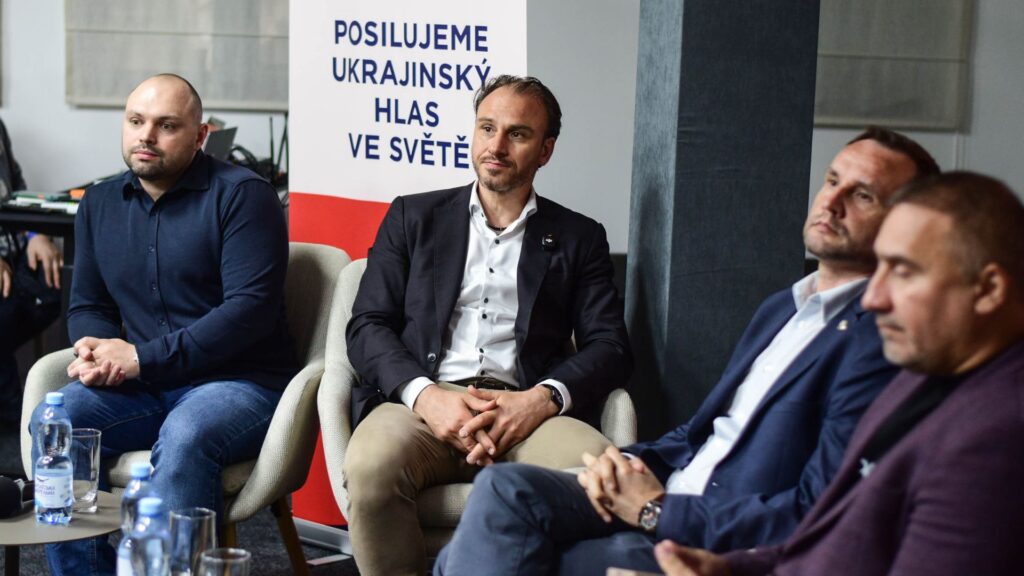
Pylyp Orlyk Foundation Board Chair Artem Mykolaichuk underscored the strategic importance of research of this kind: “The information front is one of Russia’s most critical tools of warfare. For decades, the Kremlin has been methodically poisoning the information space of entire countries through networks of proxy resources — following Antonio Gramsci’s playbook of targeting not the ordinary voter, but those who shape public opinion: politicians, journalists, and experts. Capturing cultural space and the minds of elites has always been as important for Moscow as capturing territory. That is precisely why the Pylyp Orlyk Foundation supported this research — hostile propaganda must be identified, studied, and countered.”
Next Steps
According to the organizers, the study’s findings will be presented at a conference in the Czech Parliament on June 29, 2026. The materials are planned for translation into Czech and other languages for broader distribution across democratic countries.
Event Participants
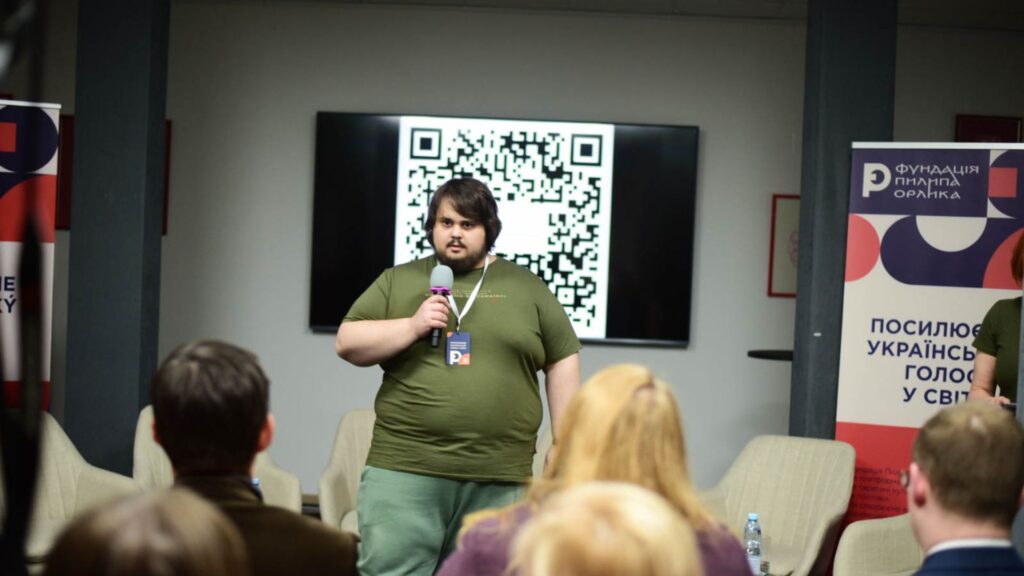
The study findings were presented by Serhii Mikhalkov, Head of Russian Disinformation Research at Texty.org.ua.
Participants in the discussion included:
Luboš Veselý — Ambassador Extraordinary and Plenipotentiary of the Czech Republic to Ukraine;
Jan Šír — Czech political scientist, Charles University in Prague (online);
Vasyl Zvarych — Ambassador Extraordinary and Plenipotentiary of Ukraine to the Czech Republic (online);
Volodymyr Viatrovych — Member of the Verkhovna Rada of Ukraine, member of the Committee on Humanitarian and Information Policy;
Ihor Solovei — Director, Center for Strategic Communications;
Yuliia Yanchuk — Deputy Director of the Department of Strategic Communications and Promotion of Ukrainian Culture, Ministry of Culture of Ukraine;
Ihor Rozkladai — media lawyer, Deputy Director of the Center for Democracy and Rule of Law;
Artem Mykolaichuk — Board Chair, Pylyp Orlyk Foundation.
Event moderator: Yaryna Yasynevych, Program Director of the Pylyp Orlyk Foundation.
About the Organizers
Texty.org.ua is an independent Ukrainian outlet specializing in data journalism and disinformation research.
The Pylyp Orlyk Foundation is a Ukrainian civic organization working in the fields of public diplomacy, countering disinformation, and supporting civil society.


