Ukrainian Cinema Week in Prague: 12 Films About War, History and People
From November 24 to 30, 2026, Prague will host Ukrainian Cinema Week. The program will bring together 12 feature and documentary films made by Ukrainian filmmakers. Among them are films about Russian war crimes, Ukrainian servicemen, the resistance of Ukrainians, the fates of families and the struggle for creative freedom. The event will take place with the support of the Pylyp Orlyk Foundation.
Ukrainian Cinema Week in Prague is an opportunity to present Ukrainian cinema to Czech audiences and to tell about Ukraine’s experience through documentary testimonies, fictional stories and reflection on its own history.
The program includes 12 films of different genres and years of production. The geography of their production covers not only Ukraine but also other European countries, including Estonia, France, Lithuania, the Netherlands, Germany, Romania and Slovakia. The films will be screened in the original language with Czech subtitles.
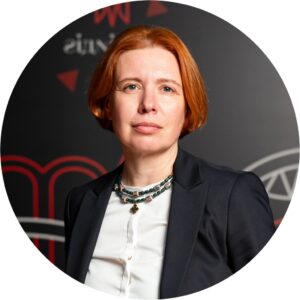
“Today, when thanks to technology the whole world can watch combat through a helmet camera and witness death on the battlefield, the task of Ukrainian filmmakers is not simply to reproduce reality as realistically and accurately as possible. They must explain events and their causes, and encourage people to rethink their attitude to what is happening.
European viewers should leave the cinema understanding that history is made by the fates of individual people, and therefore it depends on each of us what position we take, regardless of our position or social status.
Many films in this year’s program were made as international co-productions. Cooperation with foreign partners helps Ukrainian artists continue their work even in the current conditions and bring their stories to audiences beyond the country,” — says the festival’s program director and Ukrainian studies scholar Lenka Víchová.
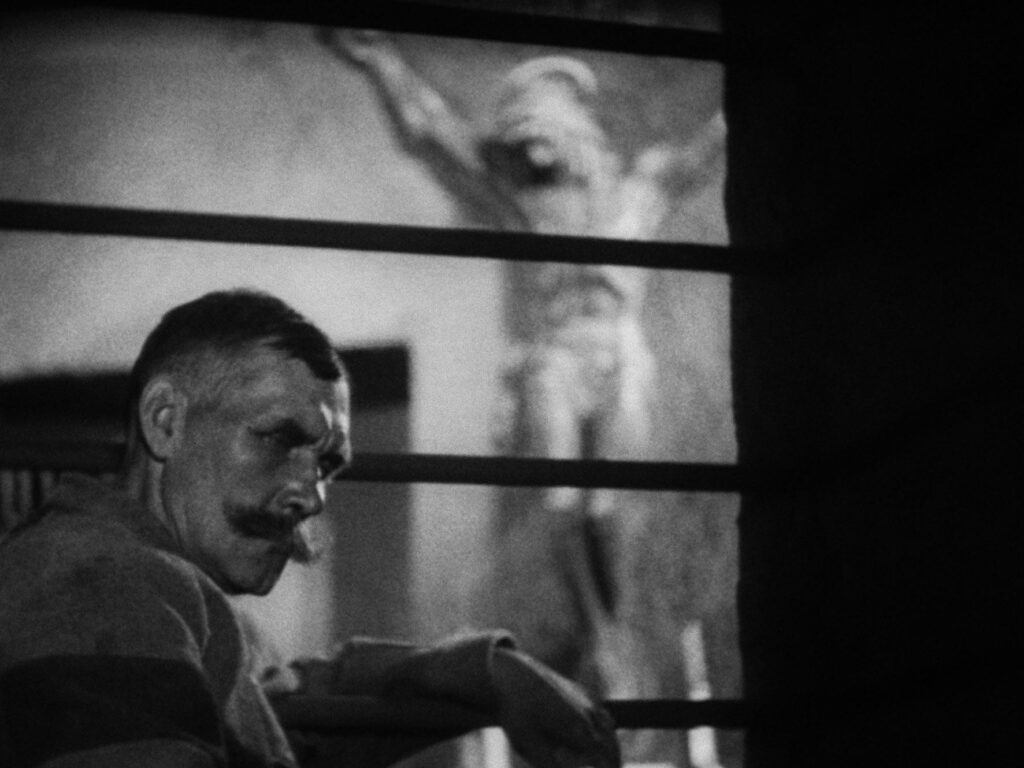
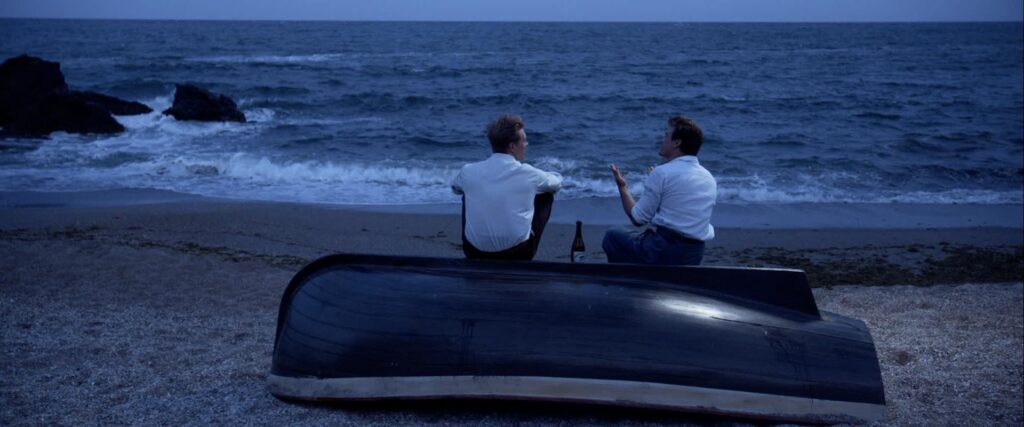
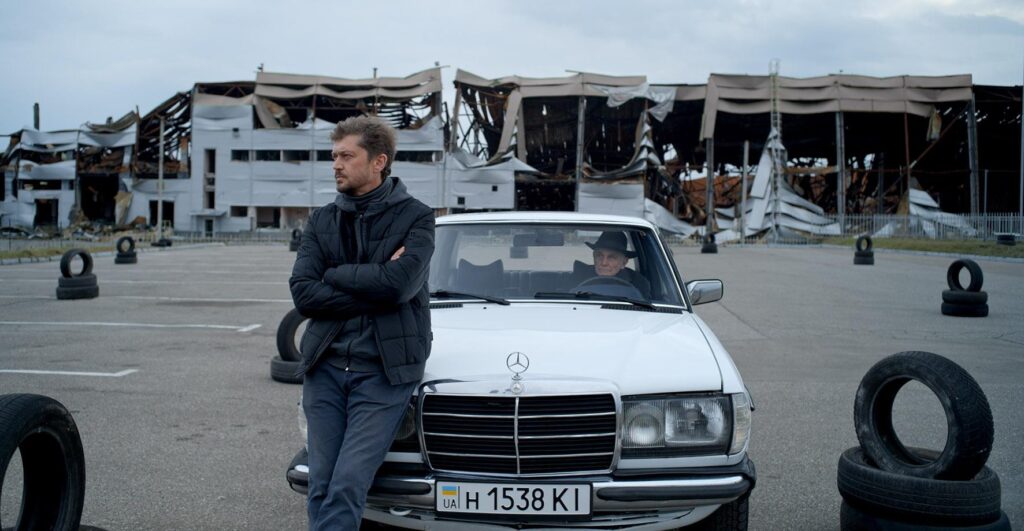
The festival will open on November 24 at 18:00 with the war drama “Spring” directed by Rostyslav Kyrpychenko.
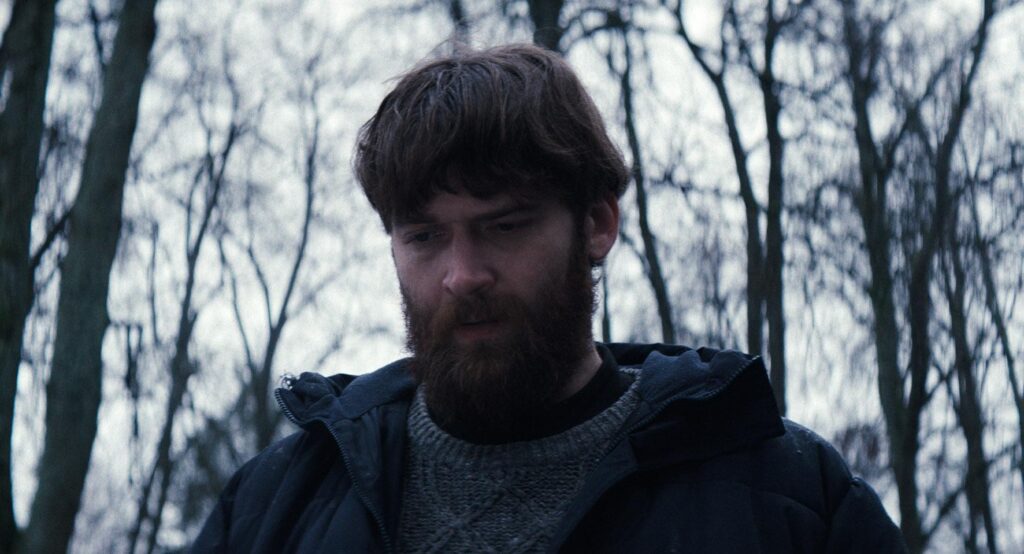
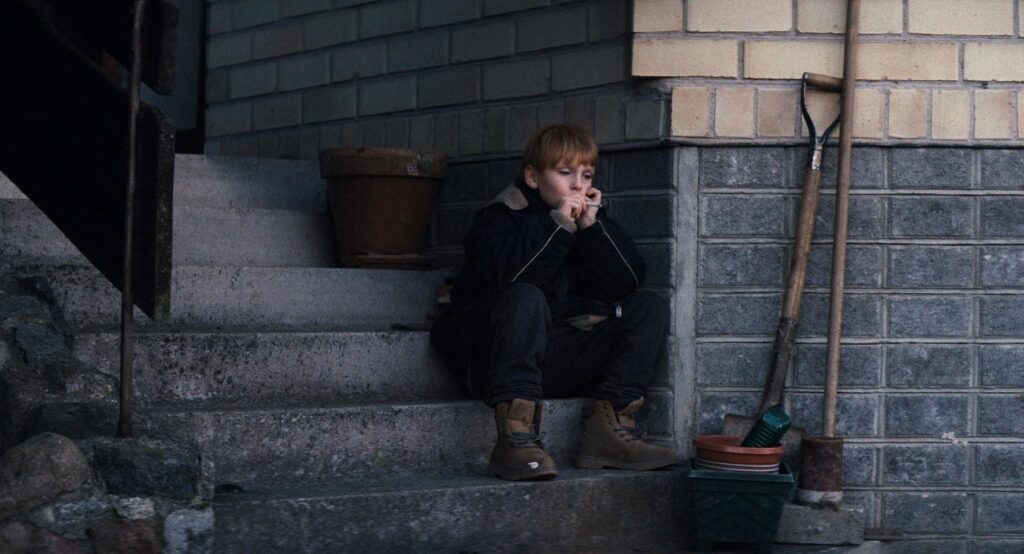
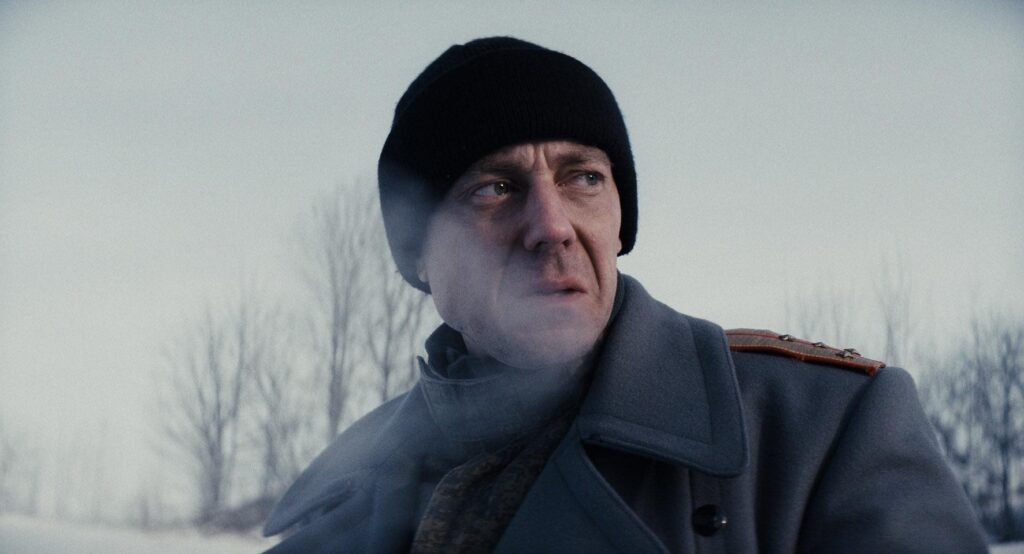
Stills from “Spring” by Rostyslav Kyrpychenko
The film is set in a city in southeastern Ukraine occupied by Russian troops. The church of Father Andrii is turned into a morgue for executed civilians, and he is ordered to guard their bodies. Despite the danger, he secretly returns the bodies of the dead to their families. Andrii must choose between resistance, renouncing his faith, and death. An important place in this story belongs to the priest’s bond with an eleven-year-old boy who becomes a witness to his quiet resistance. The film had its world premiere at the 2026 Cannes Film Festival.
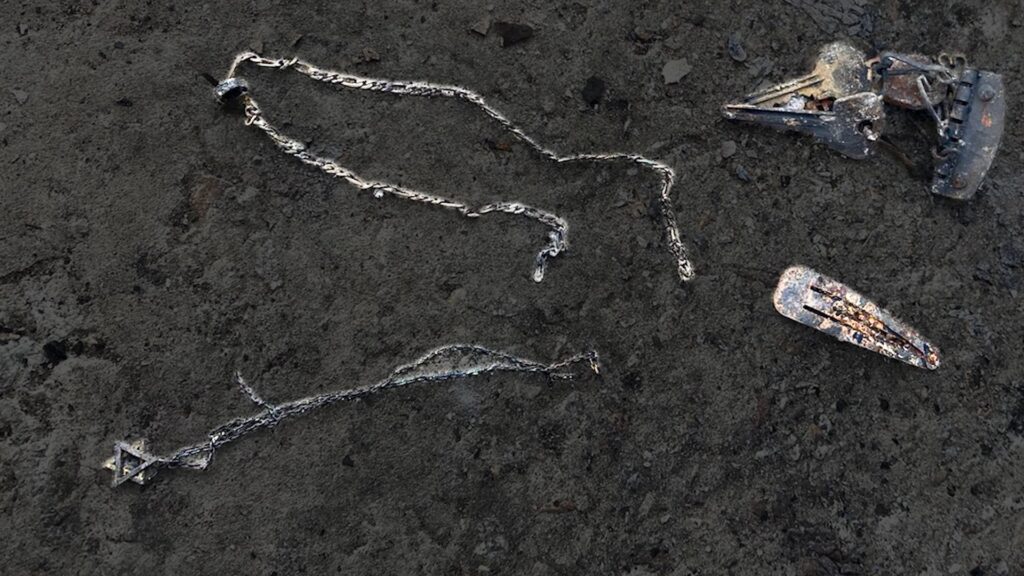
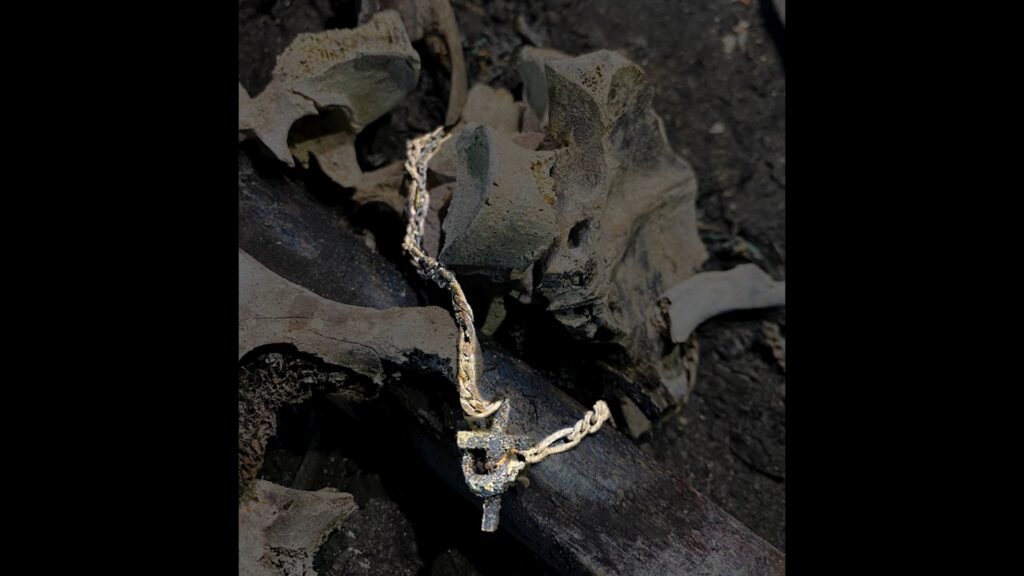
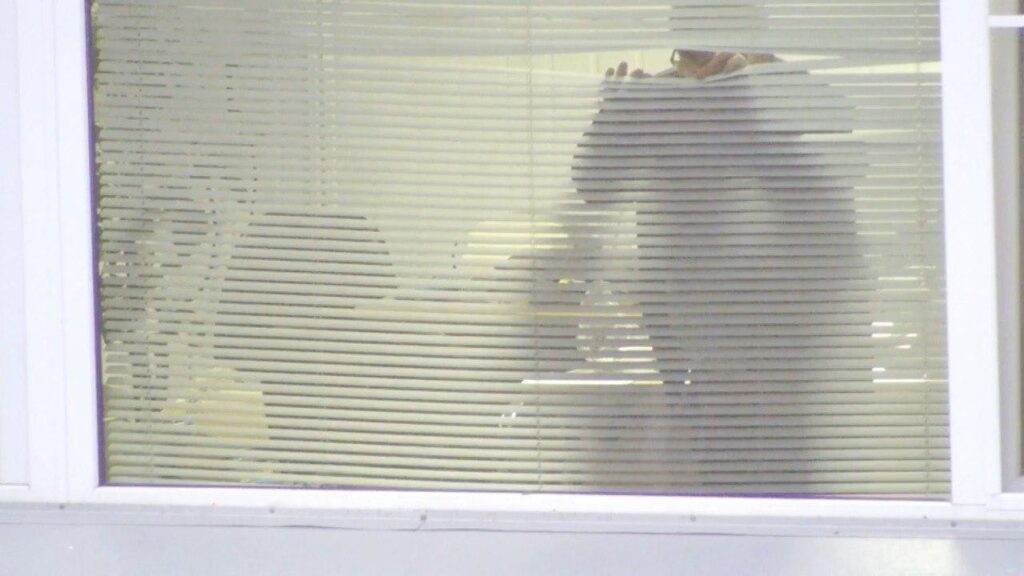
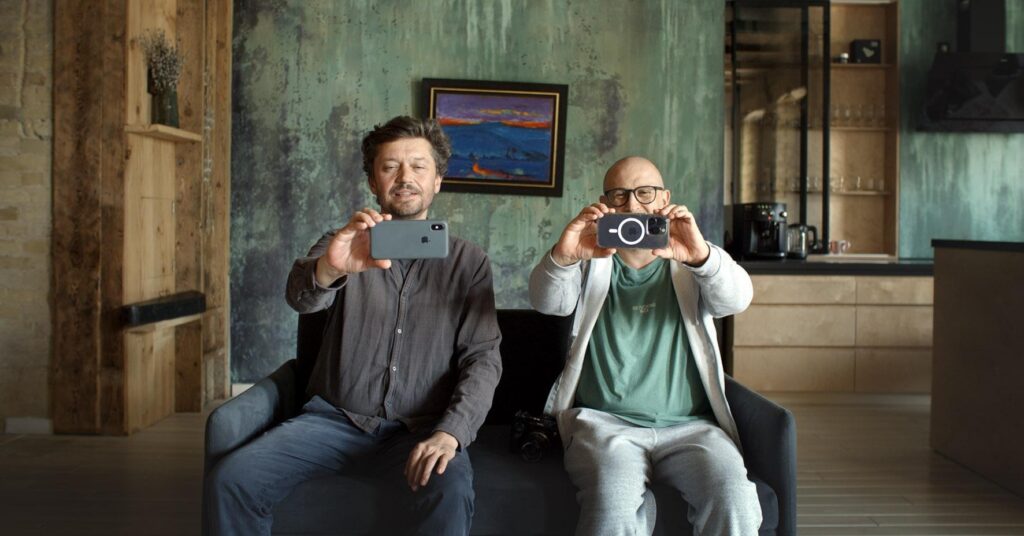
On November 25 at 17:00, the documentary “Bucha. Yablunska” (2025) by Radio Svoboda journalist Dmytro Dzhulai will be screened.
Stills from “Bucha. Yablunska” by Dmytro Dzhulai
The film reconstructs, minute by minute, three days in March 2022 on Yablunska Street in Bucha, where Russians carried out mass shootings of civilians. The investigation draws on surveillance camera footage, previously unknown footage of the killings, secret Russian documents, and testimonies of eyewitnesses and relatives of the victims. The film also names Russian servicemen likely involved in the mass killings and presents evidence of the involvement of the Russian military command.
On the same day, November 25 at 19:00, the drama “Forever-Forever” by Anna Buriachkova (2023) will be screened.
Stills from “Forever-Forever” by Anna Buriachkova
The film takes viewers to Kyiv in the late 1990s. At the center of the story is 15-year-old Tonia, who transfers to a new school in a residential district and falls in with a group of teenagers seeking adventure on the outskirts of a post-socialist city. It is the story of a generation trying to find its place in a new world as the old one collapses.
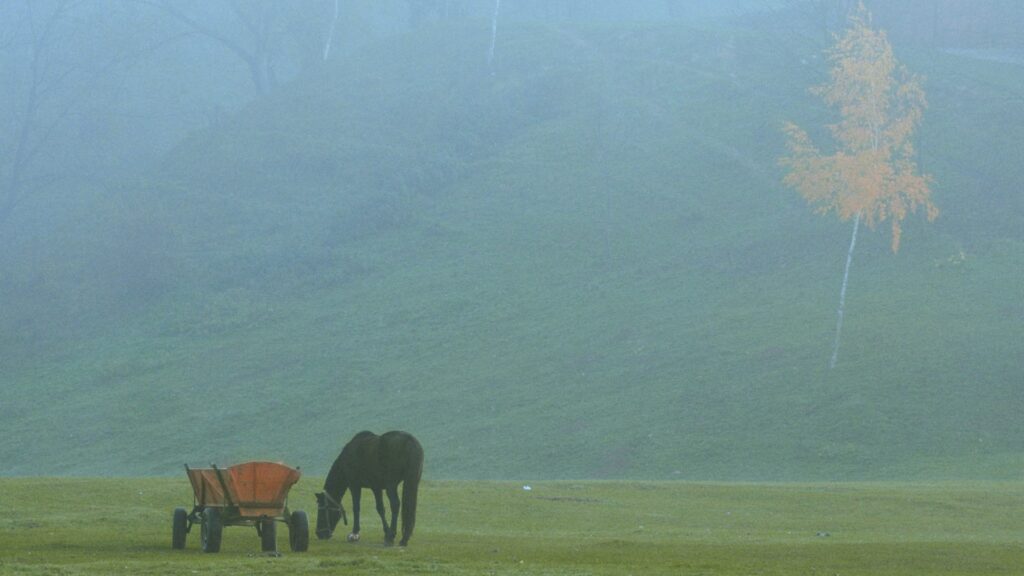
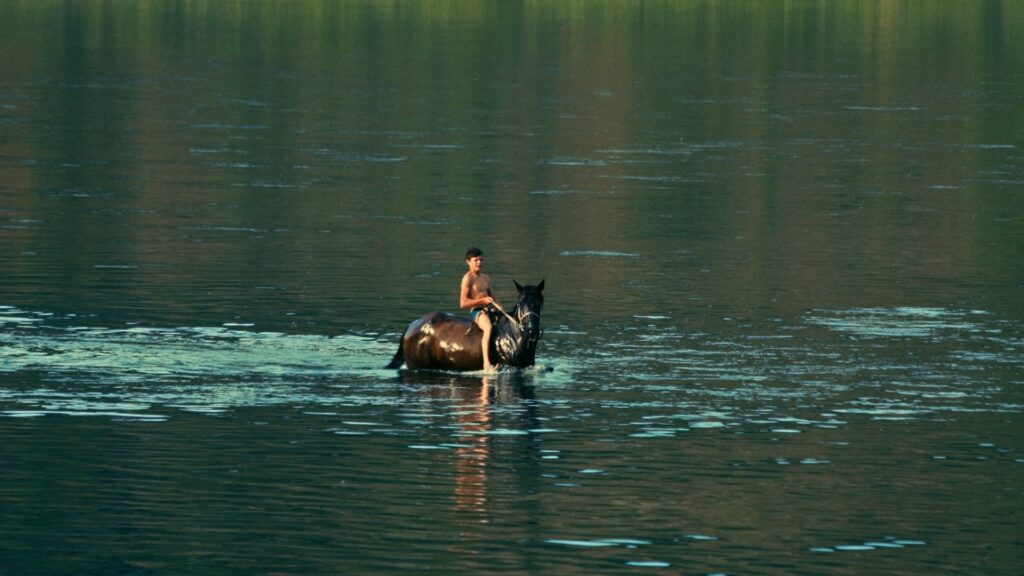
On November 26, the program will open at 11:00 with a morning screening of the documentary “Silent Flood” by Dmytro Sukholytkyi-Sobchuk.
Stills from “Silent Flood” by Dmytro Sukholytkyi-Sobchuk
The film tells the story of a pacifist religious community that lives in the Dniester Canyon in western Ukraine, follows its own rules and has almost no contact with the outside world. After the start of the full-scale Russian invasion, its members begin collecting humanitarian aid and food for soldiers and civilians on the front line, breaking their usual isolation. The film won the award for Best Cinematography at the International Documentary Film Festival Amsterdam (IDFA).
At 17:00, the documentary by war correspondent Marian Kushnir, “Give Me Back My Name” (2026), will be screened.
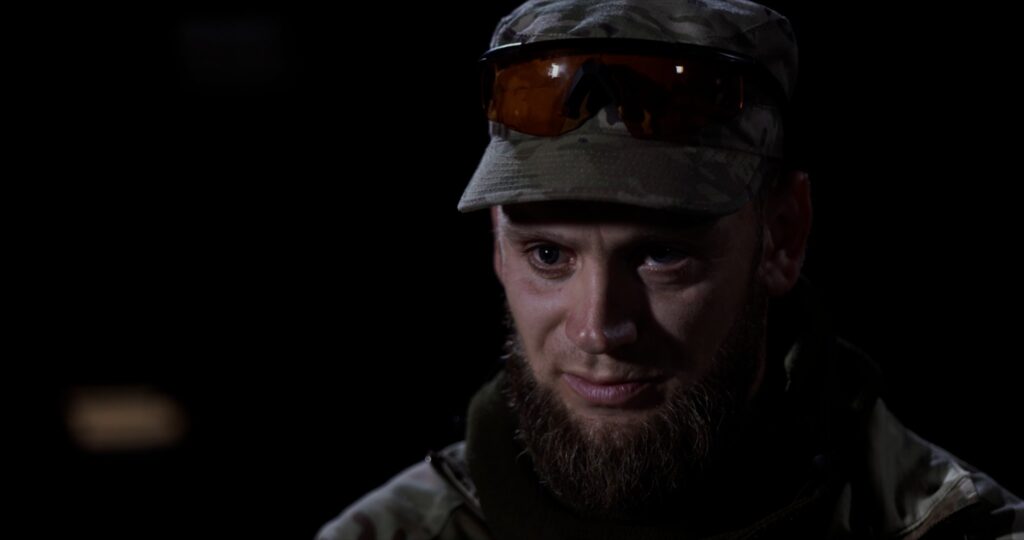
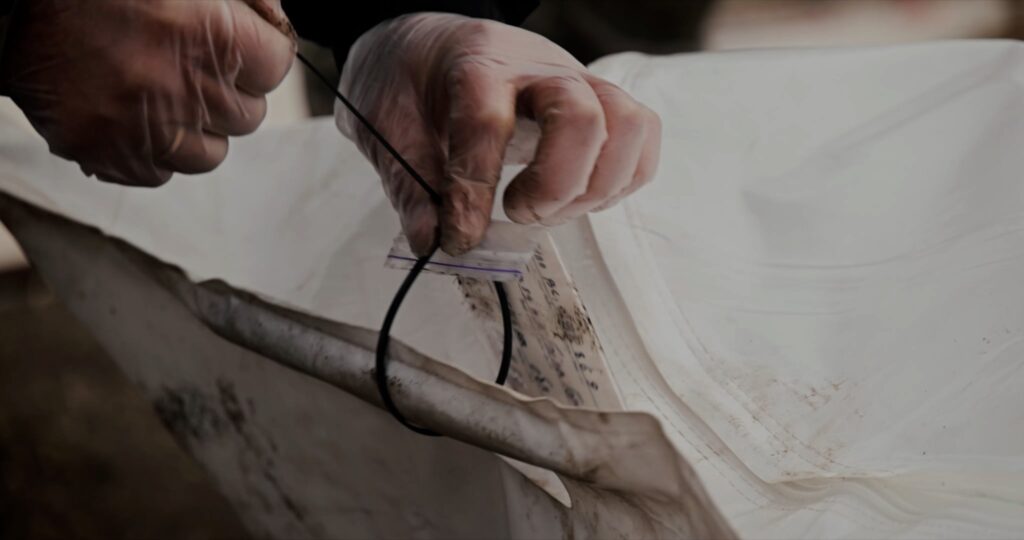
Stills from “Give Me Back My Name” by Marian Kushnir
It is a story about the return of the bodies of fallen Ukrainian soldiers, their identification, and the thousands of families searching for missing loved ones. The film focuses on the work of the people who identify the dead and on the experience of families for whom even the most terrible truth is better than the unknown.
At 19:00, the program features the tactical action film “Killhouse” by Liubomyr Levytskyi (2026).
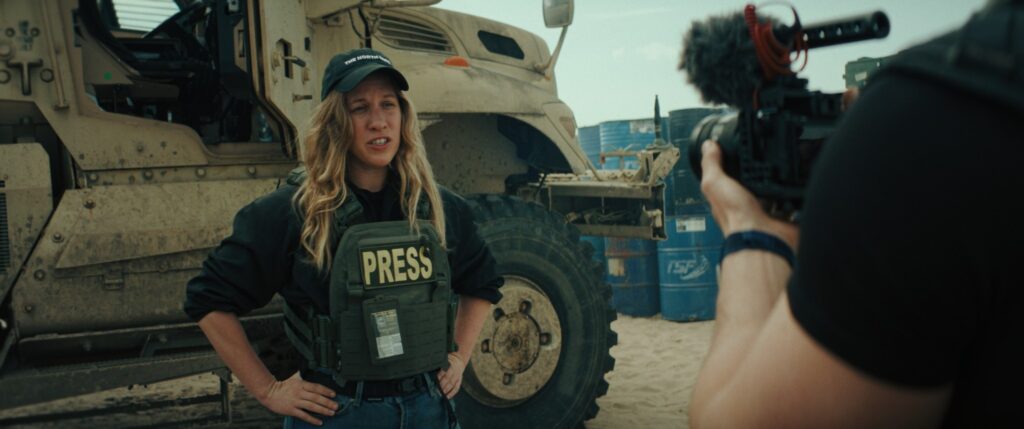
Stills from “Killhouse” by Liubomyr Levytskyi
Ukrainian soldiers try to evacuate a wounded married couple from the occupied territories. The situation becomes more complicated when their daughter is taken hostage by the enemy. The operation captures the attention of the whole world through the livestream of an American journalist, who faces a difficult choice: to leave with the CIA special unit that came to evacuate her, or to risk her life and help others. The film is based on the true story of the world’s first rescue of a person by drones.
On November 27 at 17:00, the documentary “Special Operation” by Oleksii Radynskyi (2025) will be screened.
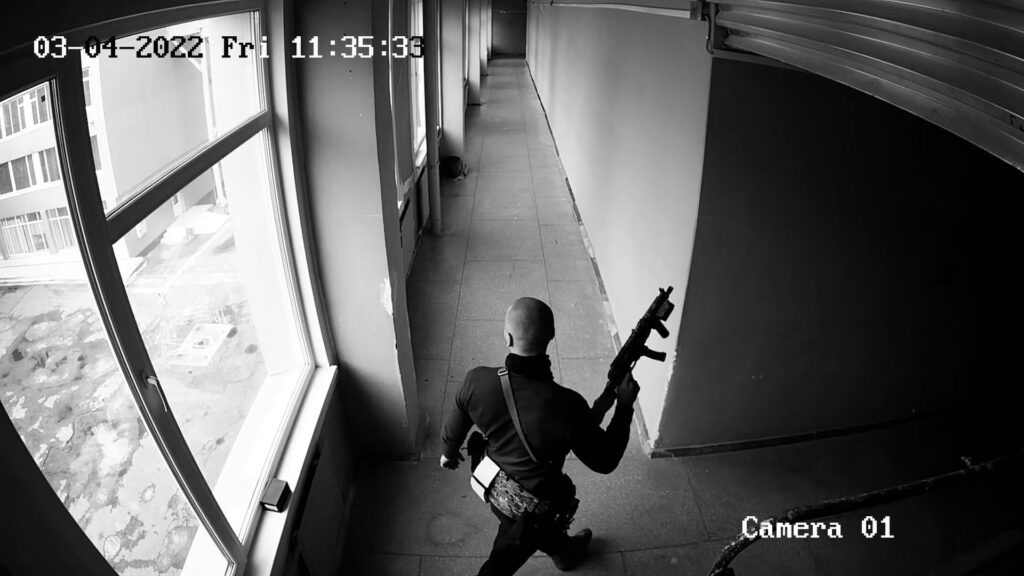
Stills from “Special Operation” by Oleksii Radynskyi
The film is built on surveillance camera footage that captured the actions of Russian troops during the occupation of the Chornobyl Nuclear Power Plant.
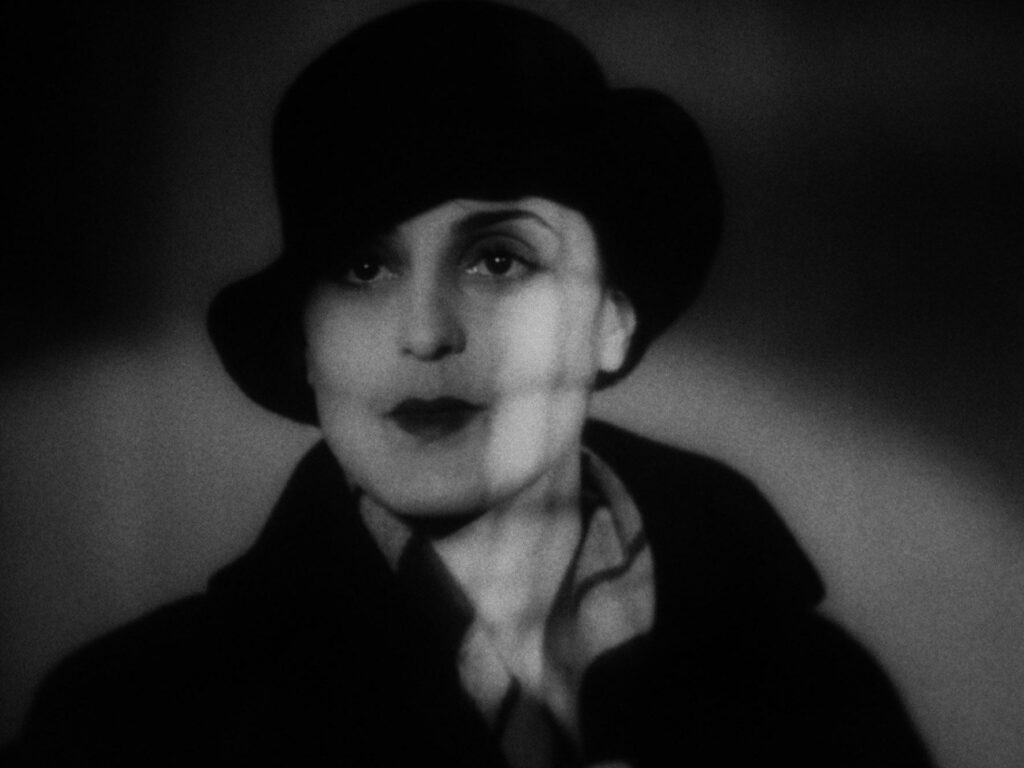
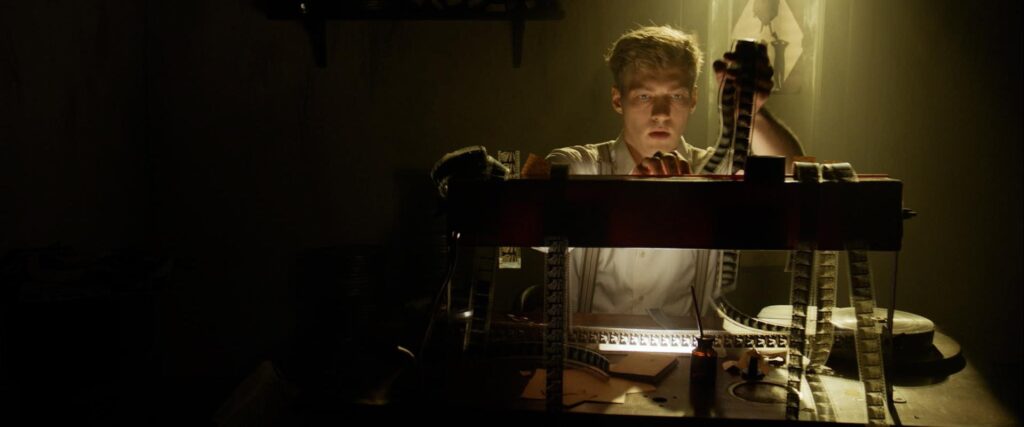
At 19:00, viewers will see the restored 1934 Ukrainian film “The Crystal Palace” directed by Hryhorii Hrycher-Cherikover.
Stills from “The Crystal Palace” by Hryhorii Hrycher-Cherikover
The political drama tells of the conflict between an artist and the state, creative freedom, violence and the utopian dream of a new social order. Made under the influence of German film expressionism and the Ukrainian avant-garde, the film was banned after a short release in the 1930s. The only surviving copy was found in the United States, in the Amherst College collection. After restoration, the film was presented in February 2026 at the Berlin International Film Festival in the Berlinale Classics program.
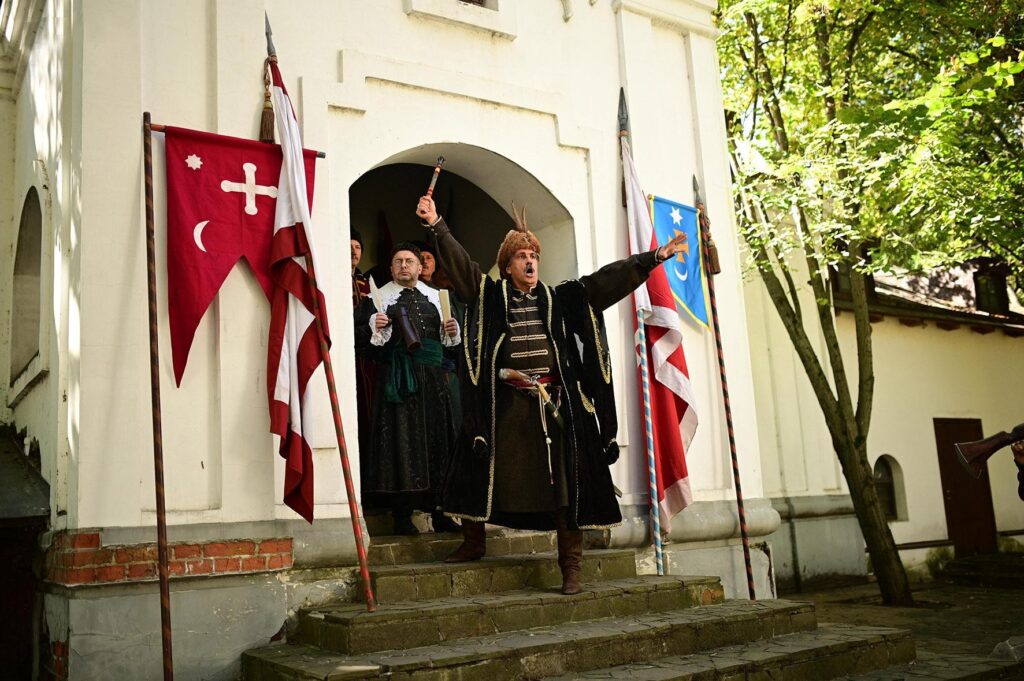
On November 28at 18:00, two episodes of the historical drama series “The Adventures of Cossack Vyhovskyi” (2026) directed by Semen Horov will be screened.
Stills from “The Adventures of Cossack Vyhovskyi” by Semen Horov
Diplomat and spy Ivan Vyhovskyi has been carousing in Warsaw and has failed to complete his mission. A young Cossack gets a chance to save himself by carrying out a dangerous assignment from the Hetman of the Zaporozhian Host. His task is to prepare a farmstead near Baturyn for a possible enemy invasion, even though the locals do not believe in the threat at all.
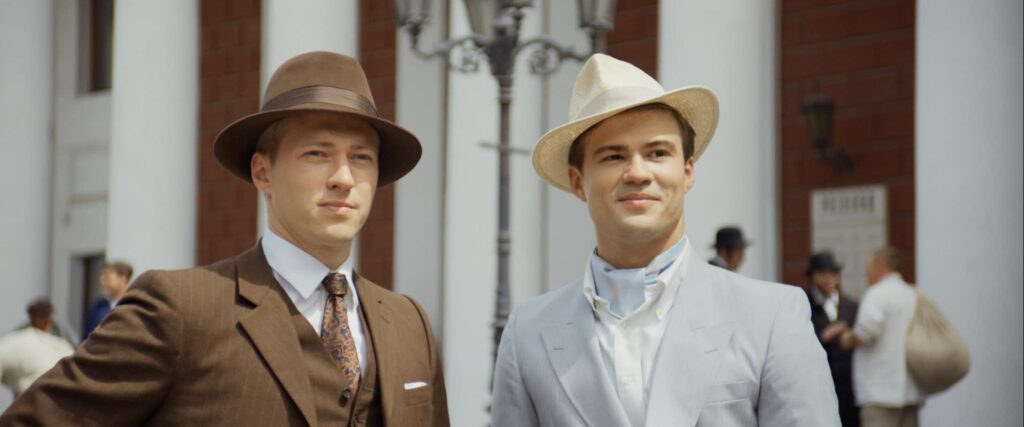
On November 29 at 16:00, the historical and biographical drama by Kostiantyn Konovalov “Dovzhenko. First Glance” (2026) will be screened.
Stills from “Dovzhenko. First Glance” by Kostiantyn Konovalov
The story takes place in Odesa in 1926. The young Oleksandr Dovzhenko comes to cinema determined to create in his own way, but the Soviet authorities expect propaganda from him. With the support of friends, he tries to defend his own artistic vision. It is a story about the moment when a creative dream turns into a struggle for freedom and life.
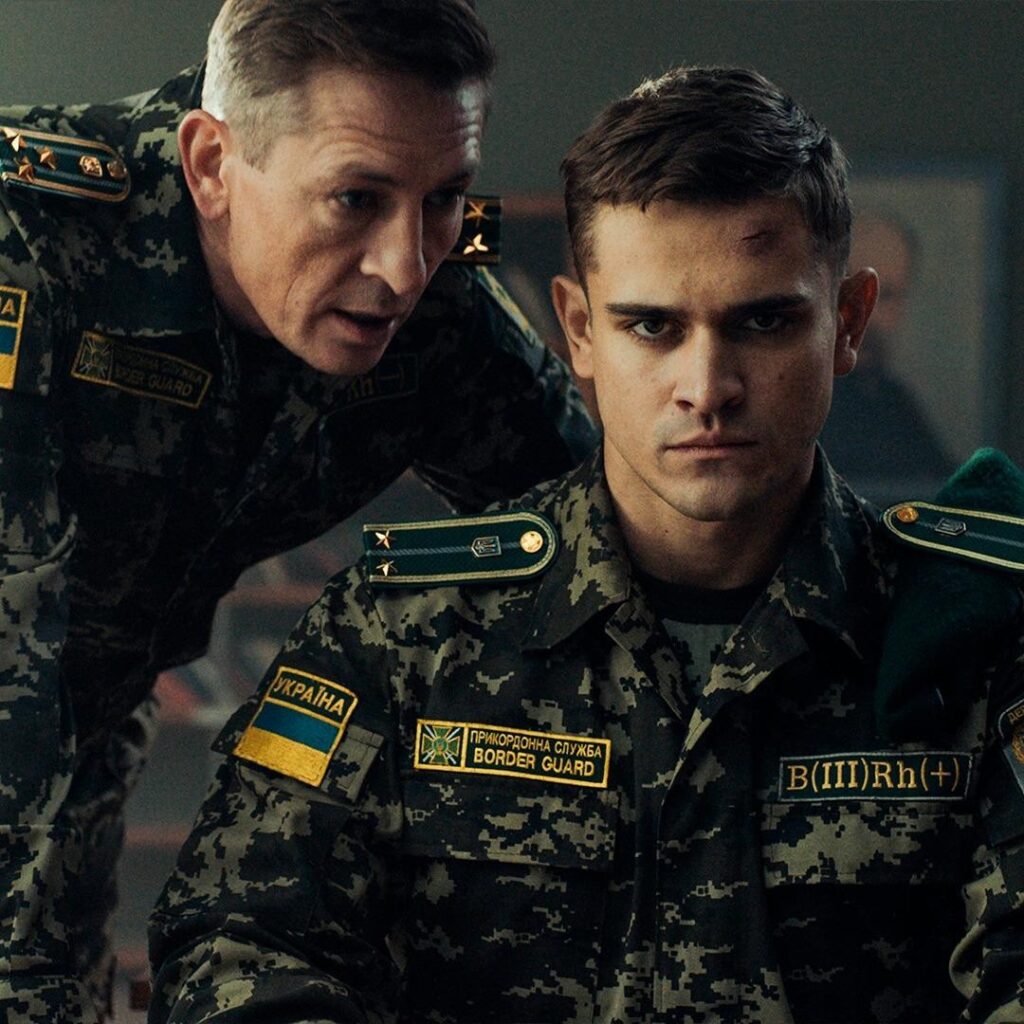
At 19:00, the war drama “Myrnyi 21” by Akhtem Seitablaiev (2023), based on real events, will be screened.
A still from “Myrnyi 21” by Akhtem Seitablaiev
In the summer of 2014, when the Russian invaders launched offensive operations in Donbas, Serhii Deineko, commander of the Luhansk Border Guard Detachment, showed courage and bravery despite the unequal forces and held the defense.
Ukrainian Cinema Week will close on November 30 at 18:00 with a screening of the dramedy “For Victory!” directed by Valentyn Vasianovych (2025).
A still from “For Victory!” by Valentyn Vasianovych
The main character is film director Valentyn, who after Ukraine’s victory in the war faces personal and professional difficulties: he cannot find money for a new film, his wife and daughter are not returning from Vienna, and his son barely speaks to him. Together with his filmmaker friends, he sets out to make a film about post-war Ukraine and the breakdown of families. Gradually, the line between the cinematic story and real life becomes less and less clear.
The film won the award for Best Film in the Platform program of the 2025 Toronto International Film Festival and three awards at the 2026 Odesa International Film Festival.
Artem Mykolaichuk, Chairman of the Board of the Pylyp Orlyk Foundation, emphasized:
“Supporting screenings of Ukrainian cinema abroad strengthens the Ukrainian presence in the world. Each of these films tells about important chapters of our experience: from documenting Russian crimes to stories of creative freedom, human dignity and resistance. It is important that these stories are heard, seen and understood by Europeans and by Ukrainians who, for various reasons, now live abroad.”
Diplomats, representatives of cultural institutions and the film industry, and Czech and Ukrainian partners of the event will attend Ukrainian Cinema Week.
Yaryna Yasynievych, Program Director of the Pylyp Orlyk Foundation:
“Ukrainian cinema gives Europeans an opportunity to see our country not only through the lens of daily news about the war. These are stories of specific people, their choices, memory, culture and struggle for freedom. It is important for us to support such cultural initiatives and to create opportunities for Ukrainian artists, directors, journalists and their works to be presented to European audiences.”
Ukrainian Cinema Week will take place on November 24–30, 2026, at Kino Atlas, Sokolovská 371/1, Praha 8.
The event is organized by the non-governmental organization Ruta, z. s. in cooperation with the film distributor Kinovarta, the Ukrainian service of Radio Free Europe/Radio Liberty (“Radio Svoboda”) and the Jeden svět film festival, with financial support from the Pylyp Orlyk Foundation and the British Council in the Czech Republic.
The festival is held under the patronage of the Embassy of Ukraine in the Czech Republic.
Last year, ten Ukrainian films translated into Czech were presented during Ukrainian Cinema Week.