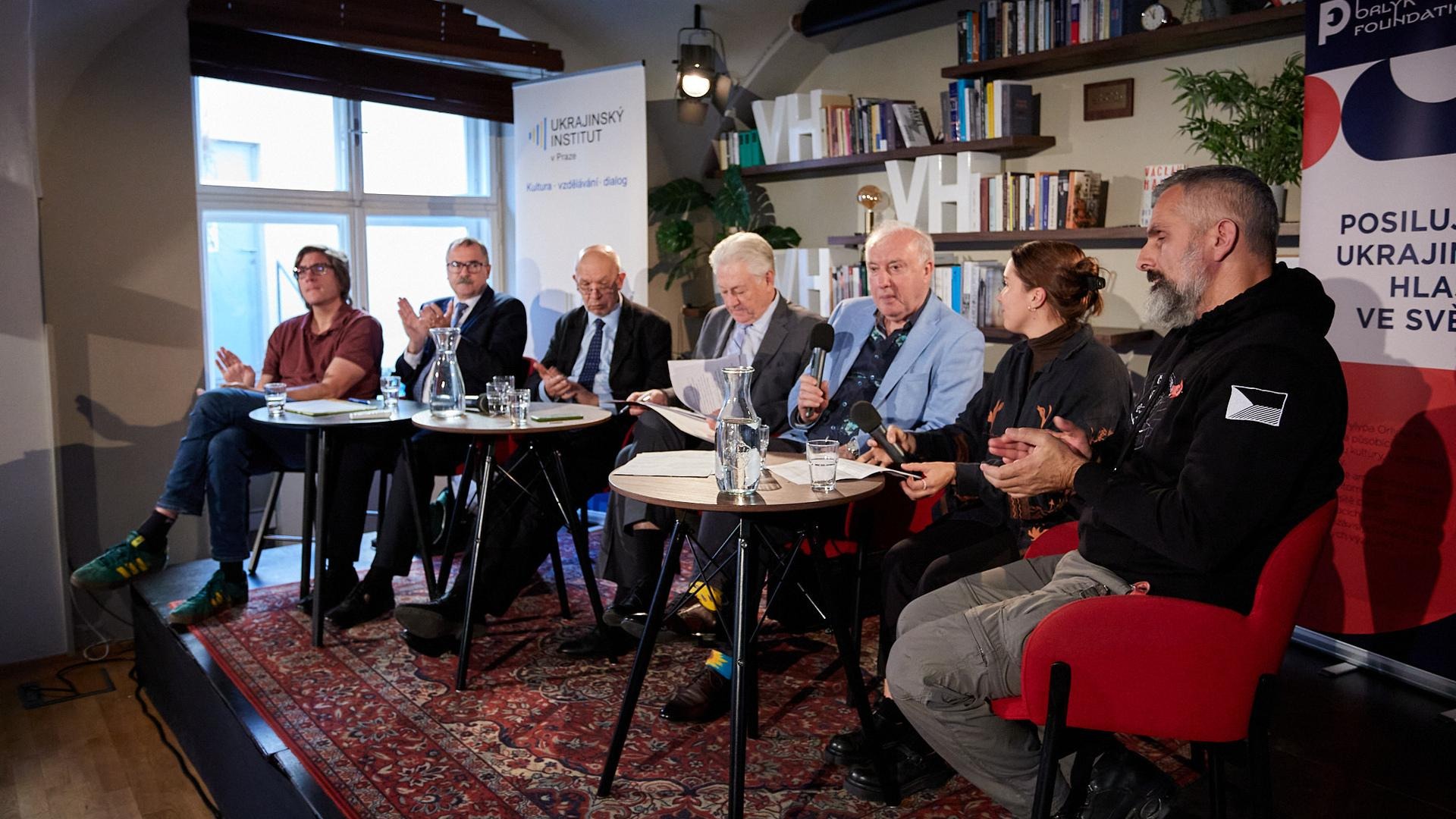
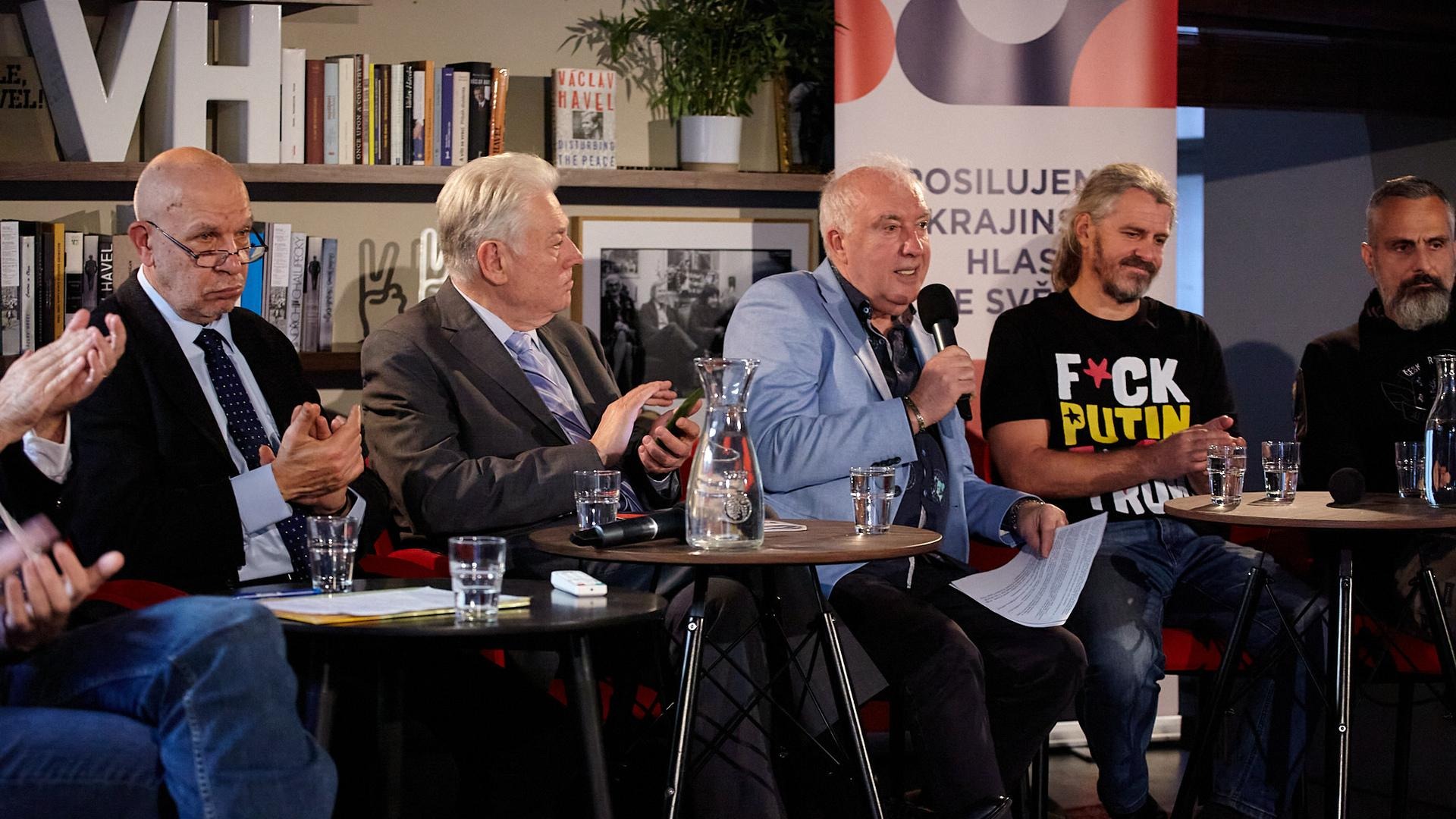
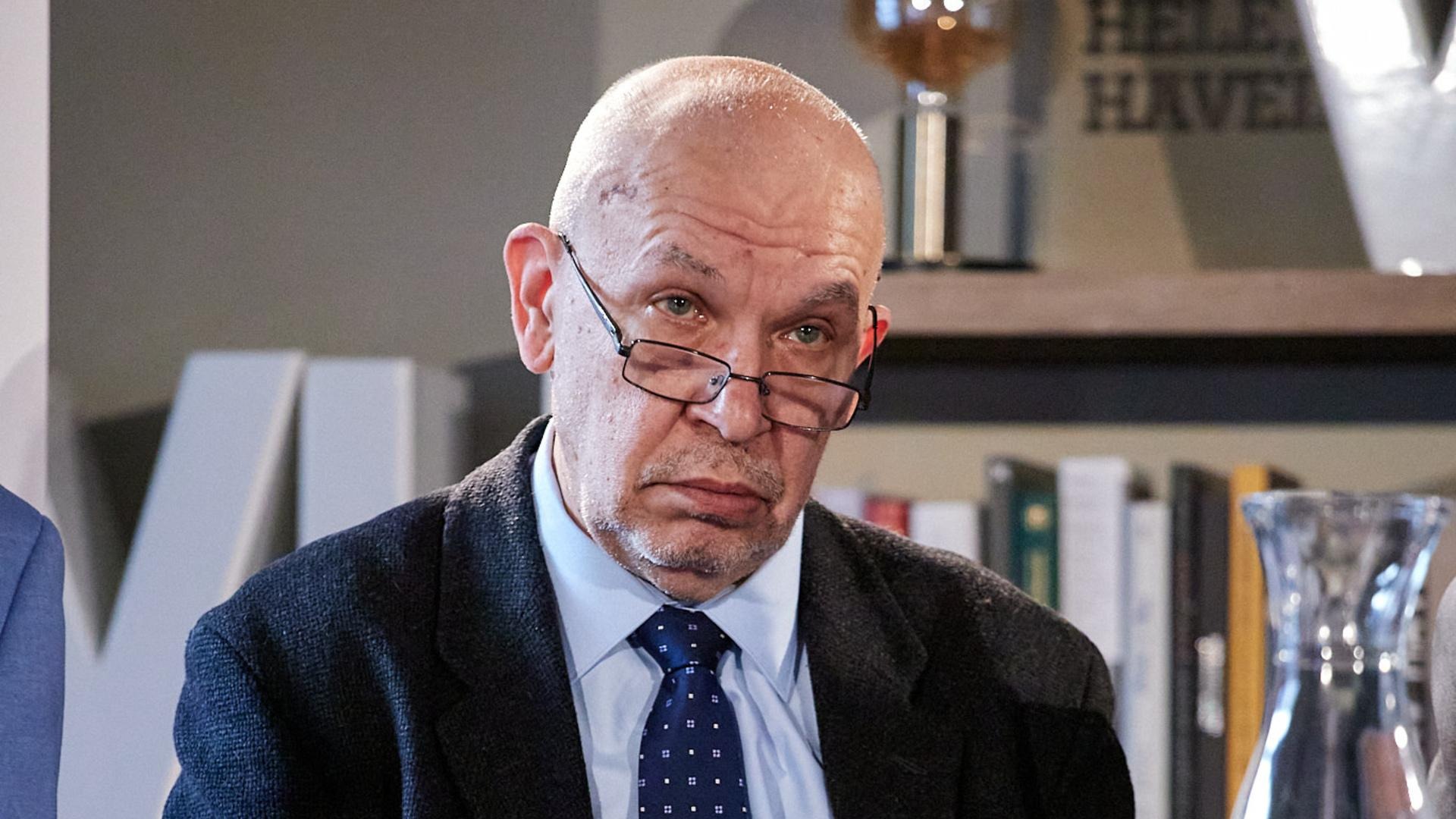
The conference was attended by Ambassadors Extraordinary and Plenipotentiary, including Volodymyr Yelchenko, Head of International Policy Research at the Pylyp Orlyk Foundation, and Ihor Kharchenko, Chief Consultant of the Foundation. The discussion was also joined by Ambassador of Ukraine to the Czech Republic Vasyl Zvarych, Czech politicians, diplomats, historians, public figures and representatives of the cultural community, including Petr Kolář, Tomáš Zdechovský, Otakar Foltýn, Ondřej Vetchý, David Svoboda, Pavel Žáček, Natalia Holovchenko and Jan Polák.
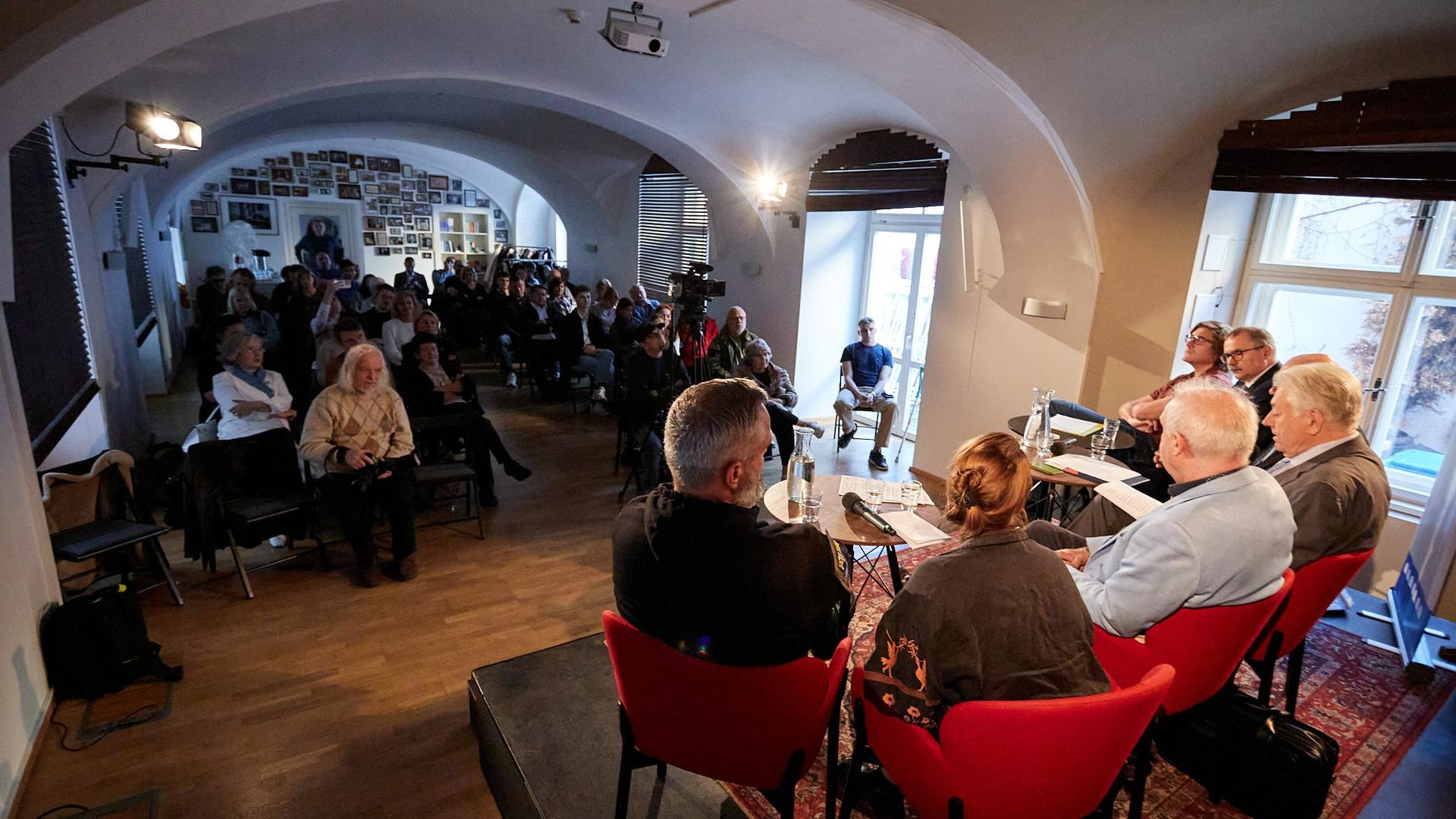
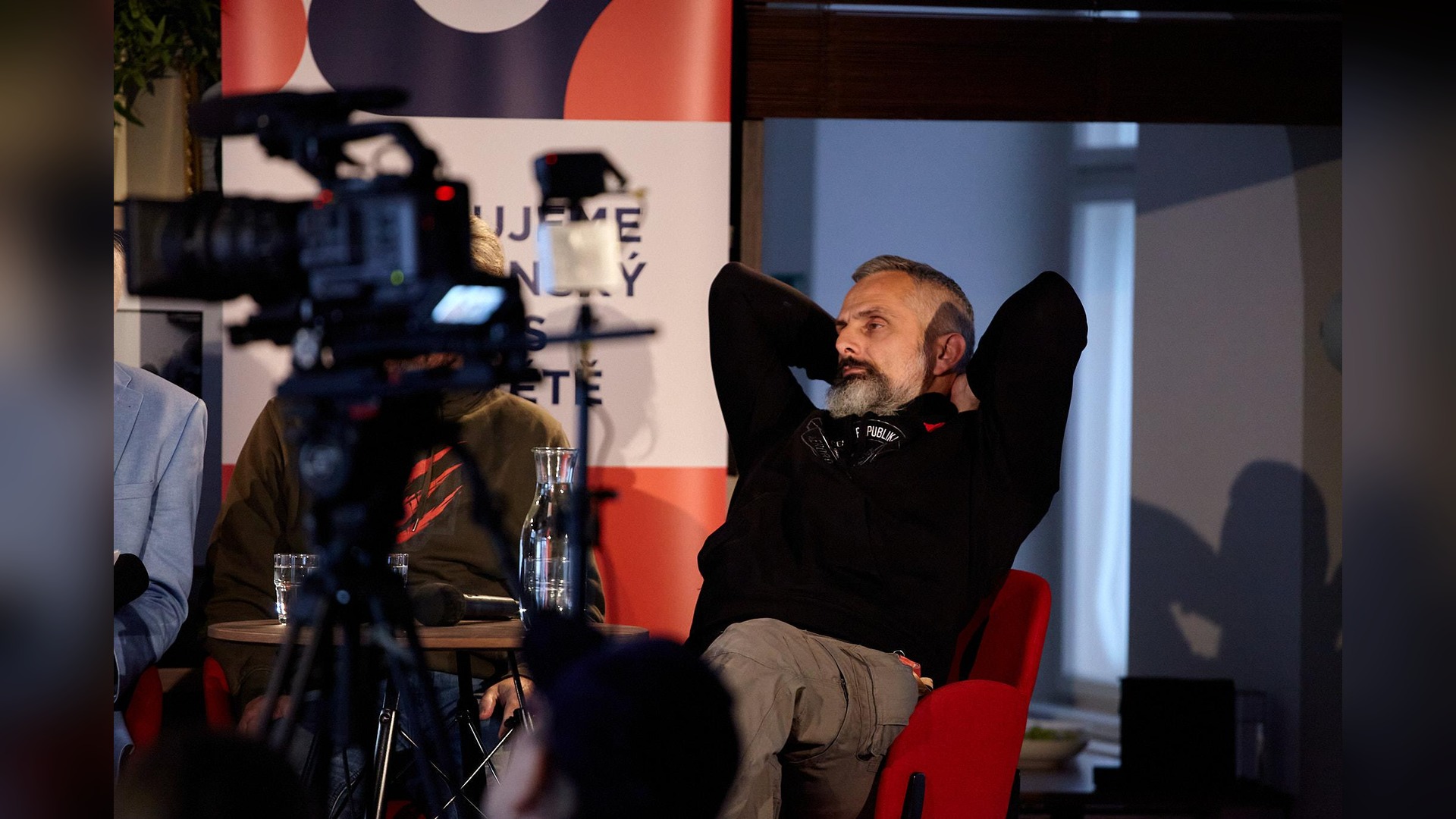
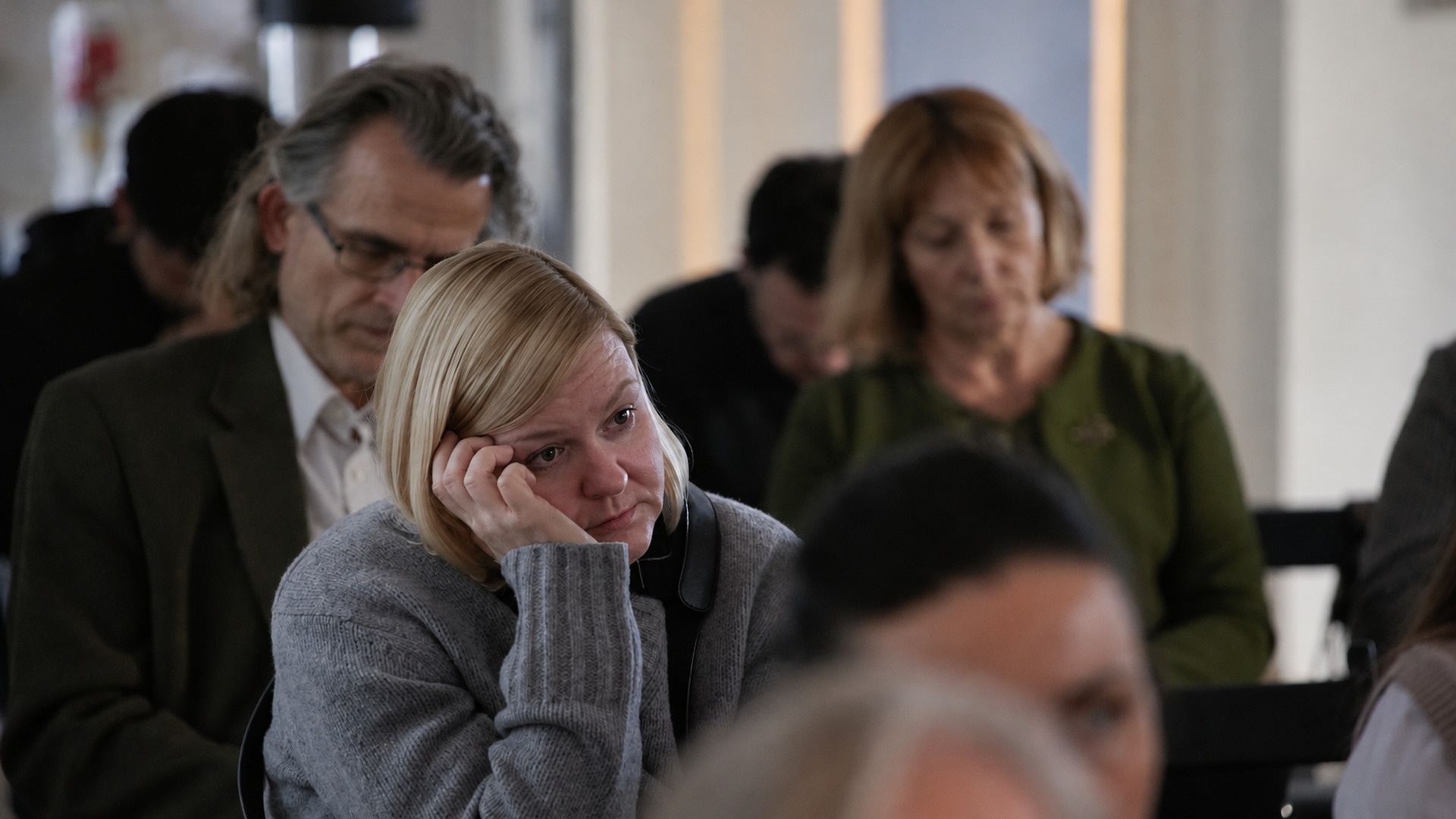
At the event, held at the Presidential Library, participants discussed why Europe’s security is inseparable from Ukraine’s security, how effective international institutions remain in the face of aggression, and what decisions are needed to shape a new European security system.
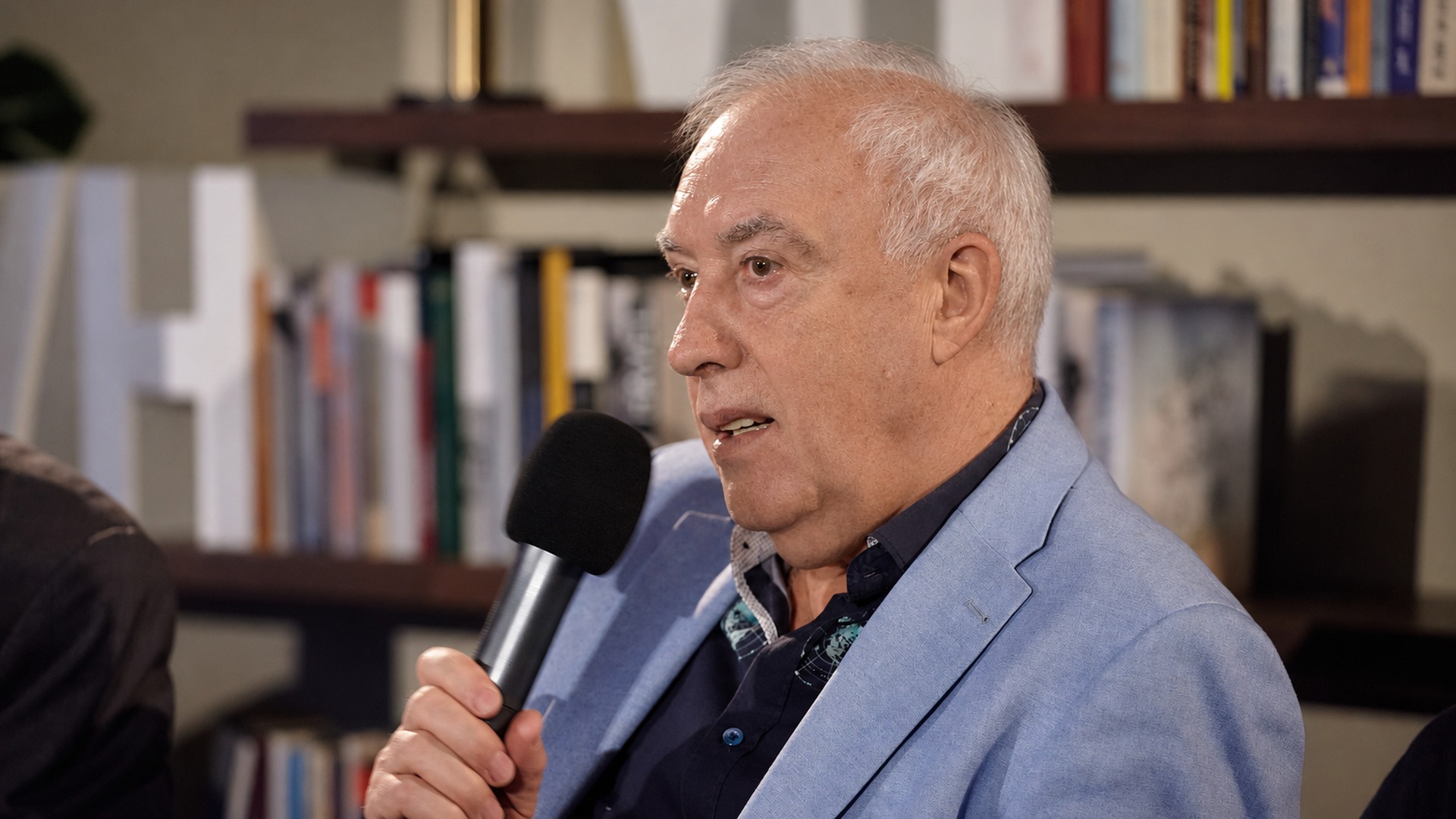
Opening the conference, Head of the Ukrainian Institute in Prague Rostyslav Prokopiuk recalled the words of the first President of the Czech Republic (1993—2003) Václav Havel, spoken back in 2004: Ukraine should be given the opportunity to join NATO and the European Union, and Europe should provide it with maximum assistance.
According to him, this idea remains relevant today. Ukraine is fighting for the principles on which democratic Europe is built, and its future is an inseparable part of Europe’s future.
Ambassador of Ukraine to the Czech Republic Vasyl Zvarych stressed that what matters to Ukraine is not only political support but also the personal solidarity of people who see the war with their own eyes and convey the truth about it to others.
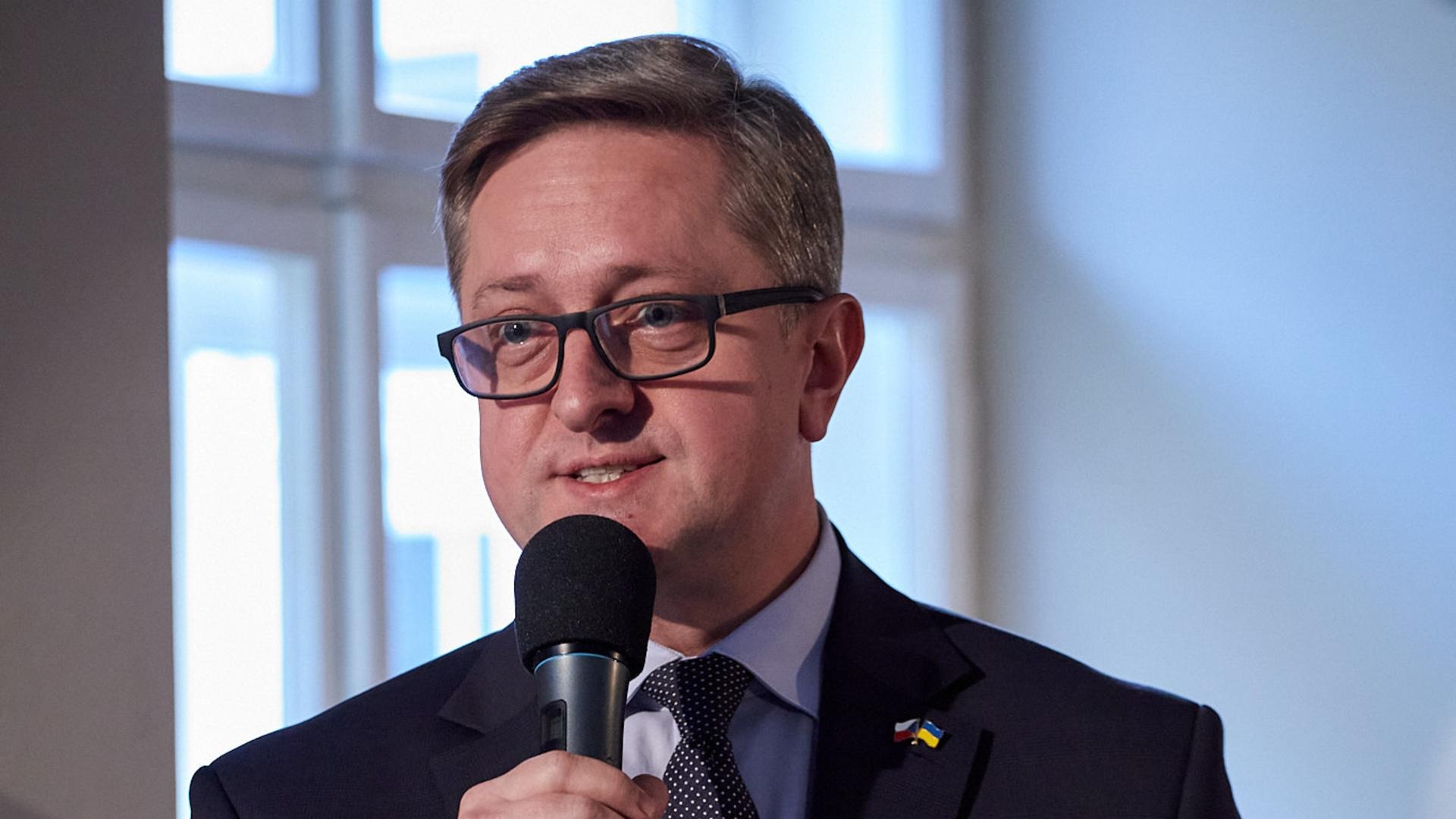
“Russia’s war against Ukraine is not only a war for territory. It is a war waged by an imperial ideology that denies the Ukrainian people the right to their own existence, freedom and independence. It is an ideology according to which a stronger state may decide the fate of its neighbors, change borders by force and determine which nations have the right to their own future,” Vasyl Zvarych noted.
According to him, this is precisely why Russian aggression poses a threat not only to Ukraine but to the entire European security system. After all, the Russian Federation attacks European democracies not only by military means but also through cyberattacks, disinformation, sabotage and influence on public opinion. Czechia, too, faces such threats directly.
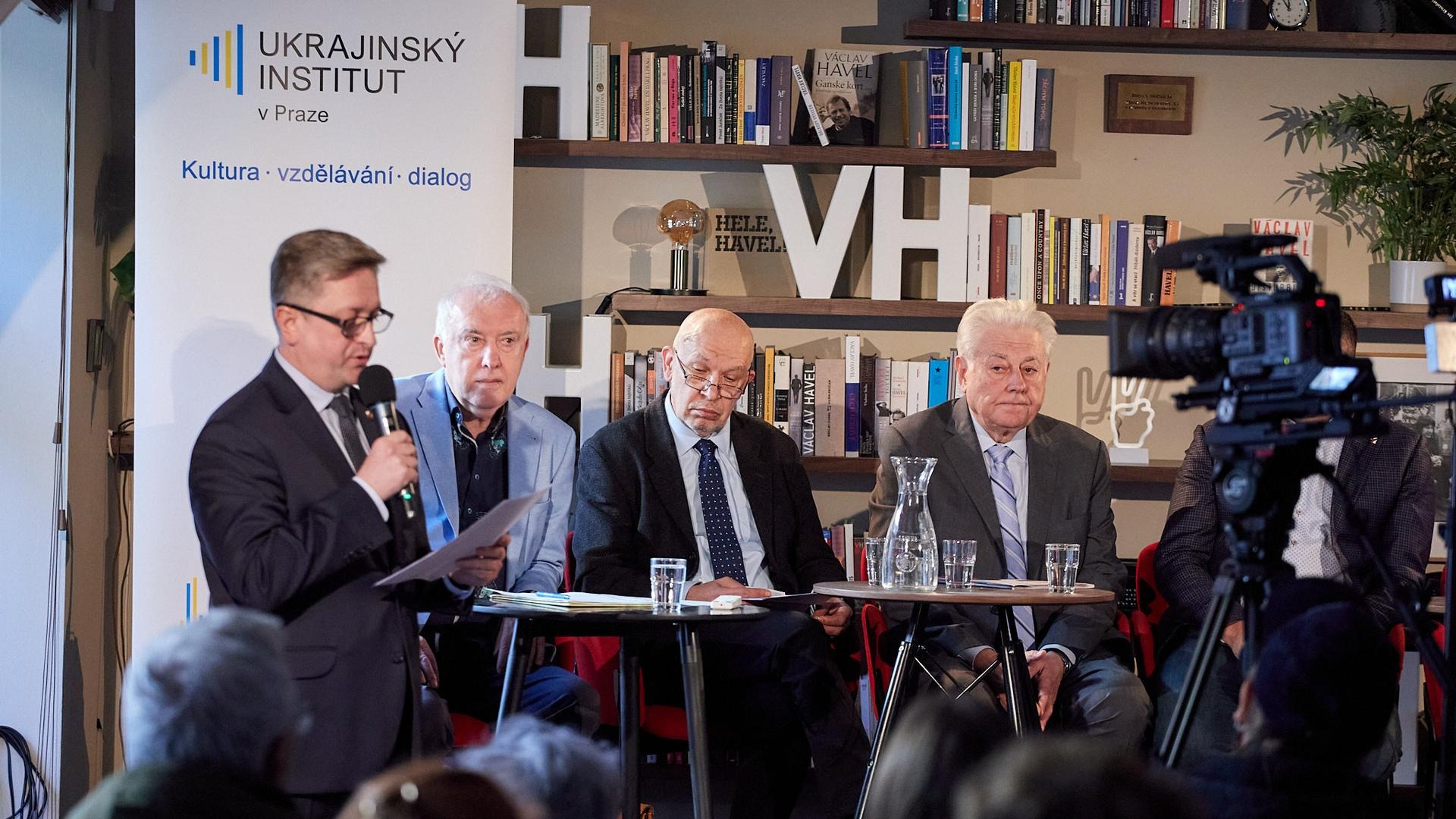
He emphasized that helping Ukraine is not charity but an investment in common European security, including the security of the Czech Republic, and a prerequisite for lasting peace.
Chief Consultant of the Pylyp Orlyk Foundation Ihor Kharchenko devoted his speech to the topic “Ukraine at the Forefront of the Democratic World.” He examined Ukraine’s role in European security through the lens of historical experience, international diplomacy and the transformation of the system of international relations.
The diplomat began his speech with memories of Prague and Václav Havel. According to him, on his way to work in Kyiv he passes every day a stop named after the Czech president. For Ukrainians and other Eastern European nations, Havel’s name has long become a symbol of democracy and of the conviction that truth and moral courage can defeat even a regime that seems unshakable.
Ihor Kharchenko also recalled how in the mid-1990s he attended an international conference in Prague where Václav Havel spoke. The diplomat was struck that a man who had gone from prison to the presidential palace spoke above all about responsibility, not about power.
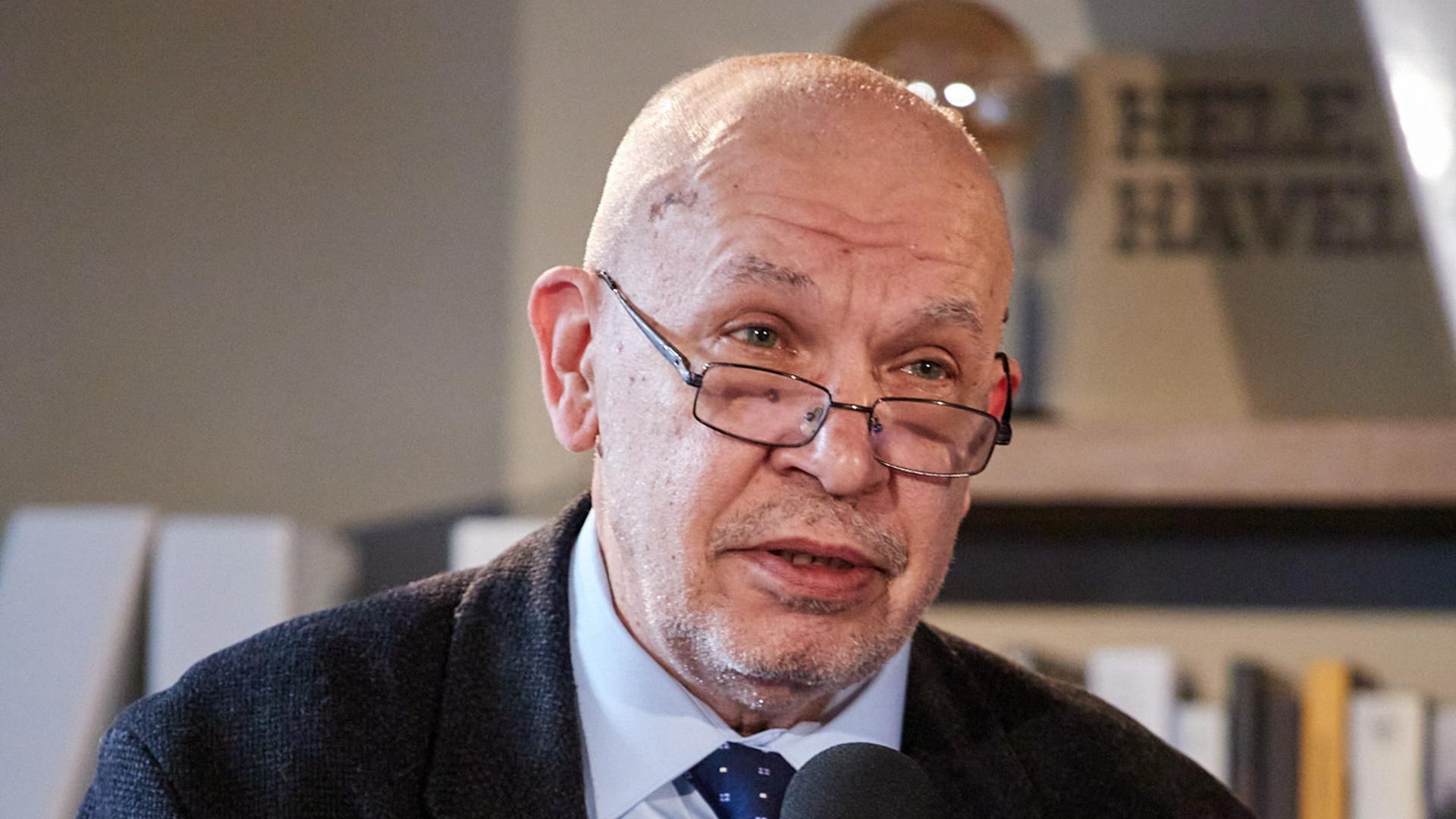
In Ihor Kharchenko’s view, Prague holds special significance for understanding today’s challenges to European security. Twice during the last century, the city witnessed events that demonstrated the consequences of concessions to an aggressor.
In September 1938, the Munich Agreement decided the fate of Czechoslovakia without its participation. At that time, Western democracies agreed to a decision that was supposed to prevent a great war, but within a year Europe found itself in a world war.
In August 1968, Soviet tanks entered Prague to crush the aspirations of Czechs and Slovaks for freedom and a dignified life. The West expressed regret but did not intervene.
“I am not recalling this to reopen old wounds. I recall it because the question of our conference — what role Ukraine plays in European security — was in fact first raised right here. And the answer then and today is the same: security in Europe is indivisible, and those who try to buy peace at the expense of others’ interests end up paying twice for it,” Ihor Kharchenko noted.
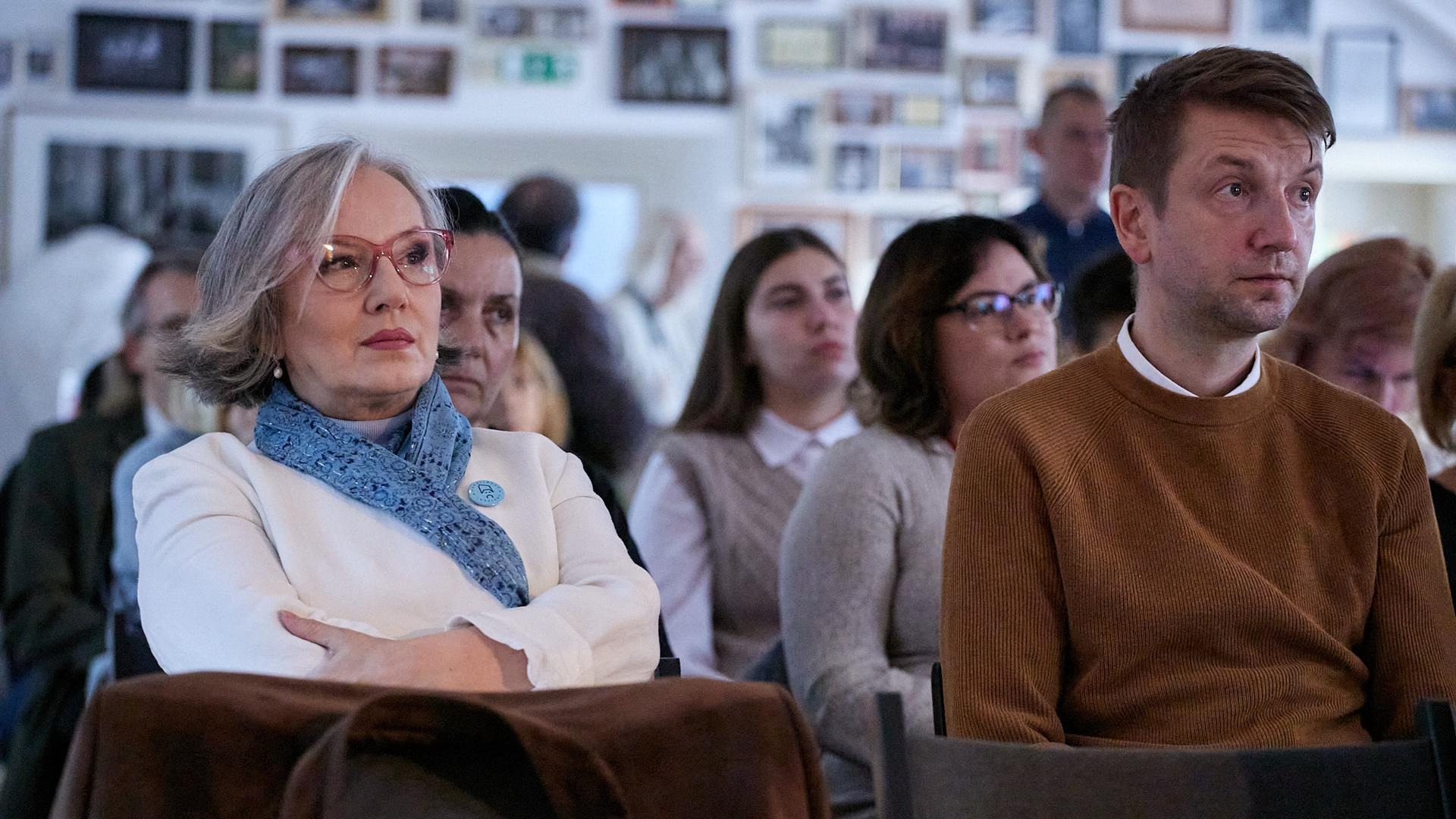
In his speech, he answered two questions: is Ukraine today truly the defender of the entire democratic world, and what conclusions should international politics draw from the great war that continues in Europe.
The diplomat answered the first question unequivocally: yes.
Ihor Kharchenko drew on his own diplomatic experience in international institutions that, after the Second World War, were meant to prevent new large-scale conflicts.
In 1997–1998, he headed the secretariat of the President of the 52nd session of the UN General Assembly, Hennadii Udovenko — the first Ukrainian to hold this post.
The diplomat recalled that the Ukrainian SSR was among the founding states of the UN in 1945. After gaining independence, Ukraine became one of the active participants in United Nations peacekeeping operations: Ukrainian peacekeepers served in the Balkans and in Africa. Thus, Ukraine was not a consumer of international security but its provider.
At the same time, working in the UN’s central structures made it possible to see the vulnerability of the system on which the organization was founded. It rested on the assumption that the permanent members of the Security Council, despite their disagreements, would not become aggressors against other UN member states.
However, this premise proved false. In December 1991, the Russian Federation took over the Soviet Union’s seat on the UN Security Council without corresponding amendments to the UN Charter and without a decision of the General Assembly. Thirty-five years later, the state occupying this seat uses its veto to protect its own war of aggression.
“The arsonist holds the keys to the fire station,” — this is how Ihor Kharchenko described this contradiction of the modern international system.
Another important lesson for international politics, according to the diplomat, is connected with the Budapest Memorandum of 1994. Ihor Kharchenko took part in its preparation. Ukraine gave up the world’s third-largest nuclear arsenal, and in return three nuclear states — the United States, the United Kingdom and Russia — provided assurances regarding Ukraine’s independence, sovereignty and existing borders.
Twenty years later, one of these states annexed Crimea, and eight years after that it launched the largest war in Europe since 1945.
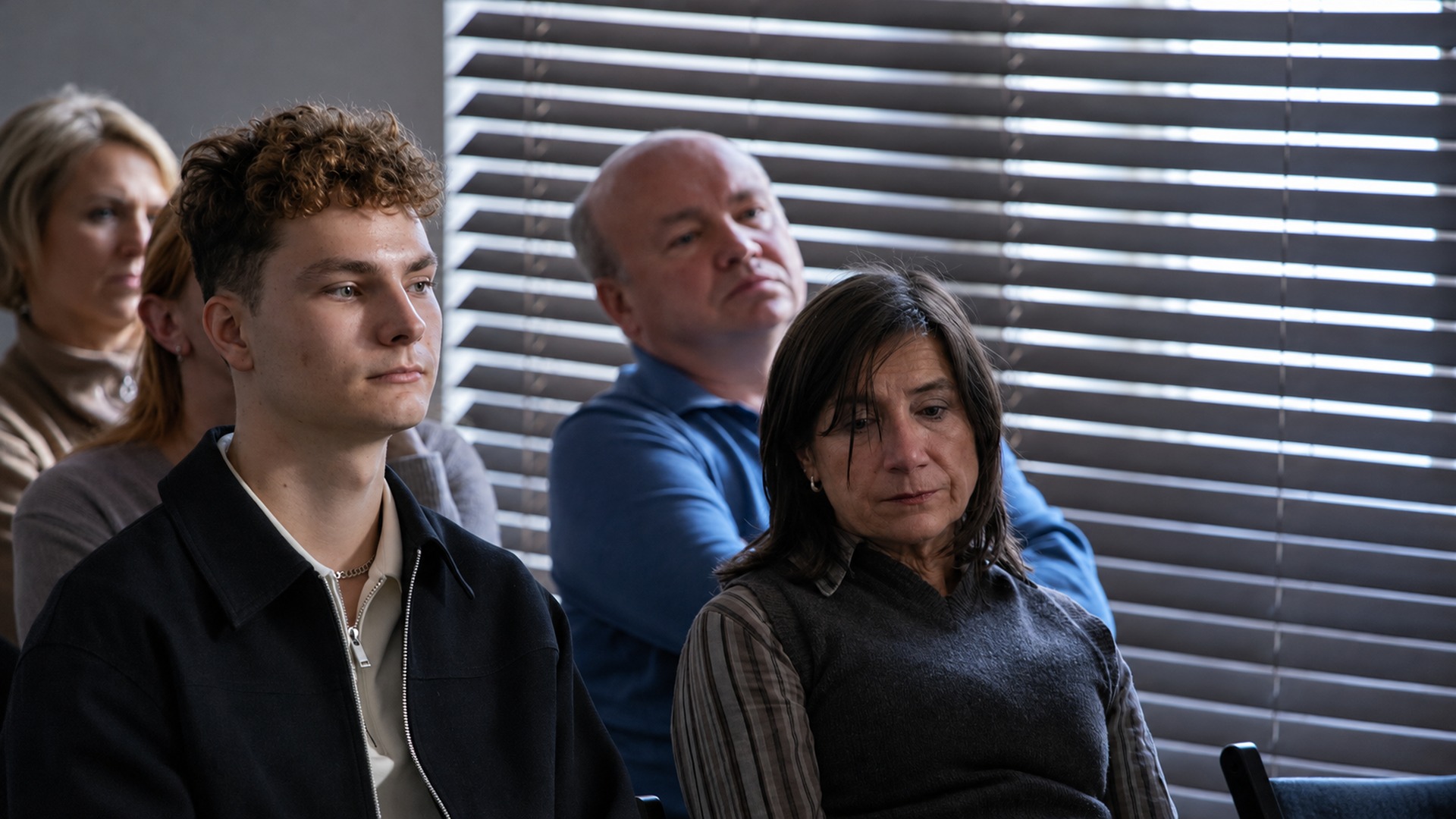
In Ihor Kharchenko’s view, the consequences of this decision extend far beyond Ukraine. States that are now considering acquiring their own nuclear weapons are drawing conclusions from Ukraine’s experience.
“Ukraine is defending not only its own land. It is defending trust in every security guarantee and every nuclear non-proliferation commitment ever signed,” the diplomat stressed.
Ihor Kharchenko devoted a separate part of his speech to Ukraine’s relations with NATO and to changes in the European security architecture.
In 1997, he worked on the Charter on a Distinctive Partnership between Ukraine and NATO, signed in Madrid. That same year, the Alliance concluded the Founding Act on Mutual Relations, Cooperation and Security with Russia. At the time, there was hope that a new Europe could be built together with Russia.
However, according to the diplomat, Moscow had a different vision. Rhetoric about spheres of influence and the so-called “near abroad” was present in Russian policy as early as the mid-1990s. Later, Vladimir Putin openly voiced these approaches at the 2007 Munich Security Conference.
In 2008, at the NATO summit in Bucharest, Ukraine and Georgia were promised future membership in the Alliance, but no path to achieving it was defined. Four months later, Russian troops invaded Georgia.
Ihor Kharchenko expressed his conviction that it was then that the Third World War effectively began — a war the world has still not recognized as a war of such scale. It is being waged not only with tanks and drones in Ukraine, but also through sabotage, cyberattacks, energy blackmail, the cutting of undersea cables and disinformation in various European countries.
“Ukraine has become a bifurcation point: the place where the world will either return to the rule of force or rebuild an order based on law,” he noted.
In Kharchenko’s conviction, Russia is fighting against Ukraine not because it considers it weak. The reason is that Ukraine chose democracy, and a democratic Ukrainian state refutes the very logic of the Russian imperial model.
The Kremlin fears not so much NATO tanks as Ukrainian elections, a free press and civil society — the example of a country that has chosen a different path of development.
“This is not a border dispute. It is a war against the democratic idea, and it is in Ukraine that this idea is being defended with blood,” Ihor Kharchenko stressed.
He emphasized that Ukrainian soldiers have for twelve years now, since 2014, been holding the line of defense, and if it were breached, Vilnius, Warsaw, Bratislava and Prague would be under threat.
According to him, Ukraine is doing what no NATO army has done since 1945: waging a full-scale war against a nuclear state — and doing so for the sake of the security of all of Europe.
Turning to conclusions for international politics, Ihor Kharchenko formulated three main lessons of Russia’s war.
First: appeasing an aggressor does not secure peace, but only gives it time to prepare new aggression. This was demonstrated by the Munich Agreement of 1938 and later by the Minsk agreements.
Second: security guarantees without real mechanisms to enforce them remain mere paper. Ukraine’s experience with the Budapest Memorandum confirms this.
Third: no one will build a new European security system in place of Europe itself. The institutions created after the Yalta Conference cannot stop a war waged by one of their permanent members.
Hence the main conclusion of the speech:
“If the democratic world wants to protect itself, Europe must unite around Ukraine”.
Ihor Kharchenko sees the practical implementation of this strategy in several areas: integrating Ukraine’s defense industry into the European one, involving the Ukrainian armed forces in shaping a common European defense, Ukraine’s accession to the European Union as a strategic decision rather than a bureaucratic process, and using frozen Russian assets for the benefit of those who defend Europe.
Concluding his speech, Ihor Kharchenko referred to the work of American diplomat and scholar Sherman Garnett Keystone in the Arch, published in 1997.
In this work, Ukraine is compared to the keystone of an arch — the element that holds the entire structure together. If it is removed, the arch loses its integrity.
Sherman Garnett argued that an independent and stable Ukraine is exactly such a keystone for the new Europe. At the time, many in Western capitals considered this thesis an exaggeration. Today, in Ihor Kharchenko’s view, it has proved to be a forecast.
For twelve years now, Ukraine has been carrying the enormous burden of war, but it cannot remain the sole pillar of European security indefinitely. Now is the time for Europe to build a strong security structure around it.
“A keystone cannot hold up the arch on its own forever. It is time for Europe to build the arch around it,” the diplomat concluded.
Head of International Policy Research at the Pylyp Orlyk Foundation Volodymyr Yelchenko stressed in his speech that a just settlement of the Russian-Ukrainian war cannot involve recognition of Russia’s territorial seizures or restriction of Ukraine’s sovereign right to determine its own future independently. According to him, diplomatic negotiations may concern the mechanisms and sequence of reaching agreements, but not the fundamental principles of statehood.
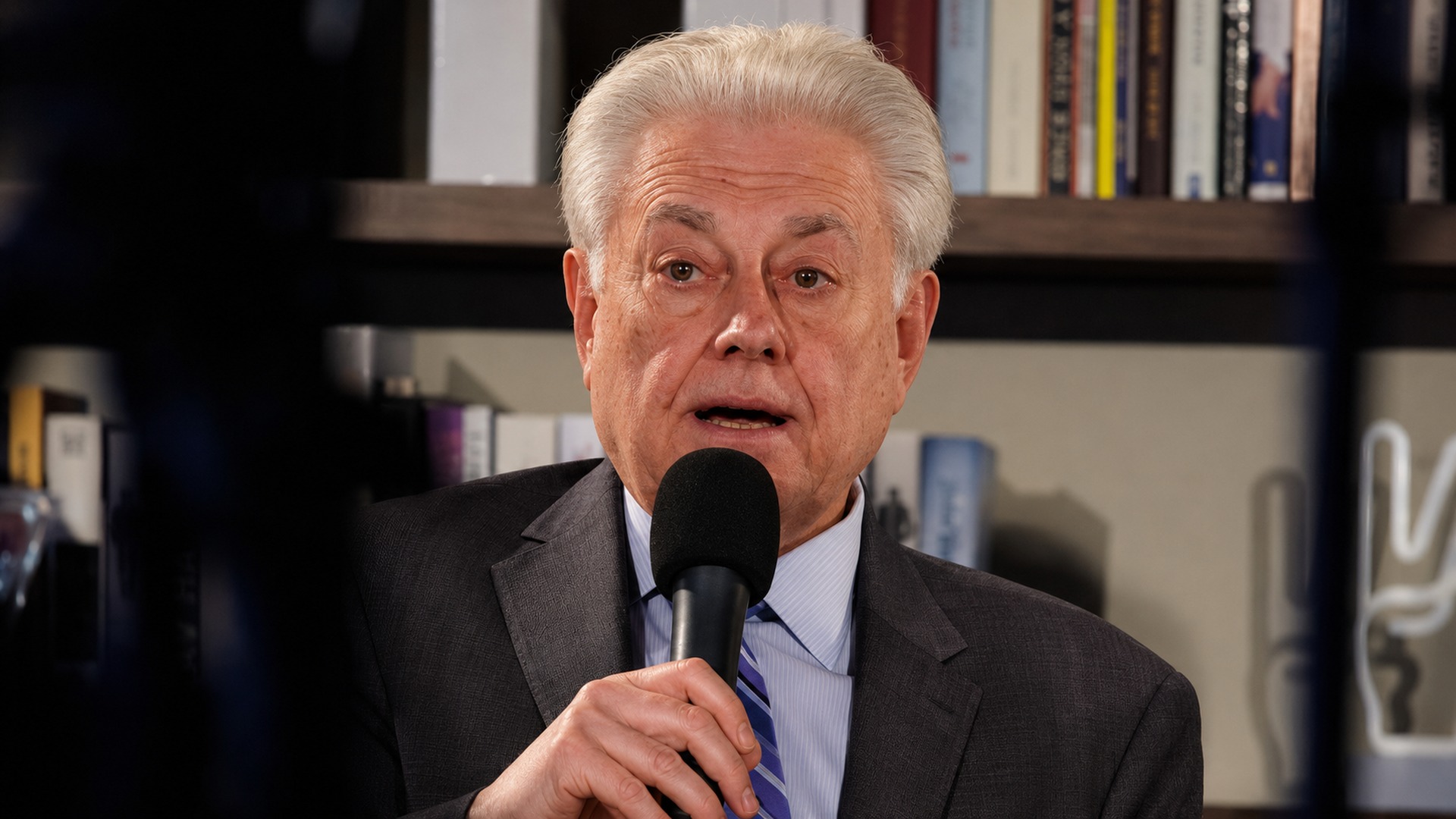
“We must not agree to any territorial concessions or sign documents that Moscow could interpret in its own way the very next day”.
The diplomat also drew particular attention to the need for effective security guarantees for Ukraine. He recalled the experience of the Budapest Memorandum of 1994, under which Ukraine gave up the world’s third-largest nuclear arsenal in exchange for security assurances. In his conviction, this experience must be taken into account when shaping the future system of guarantees.
“When our partners offer guarantees, we ask only one question: are they legally binding, and who will act when they are violated?”
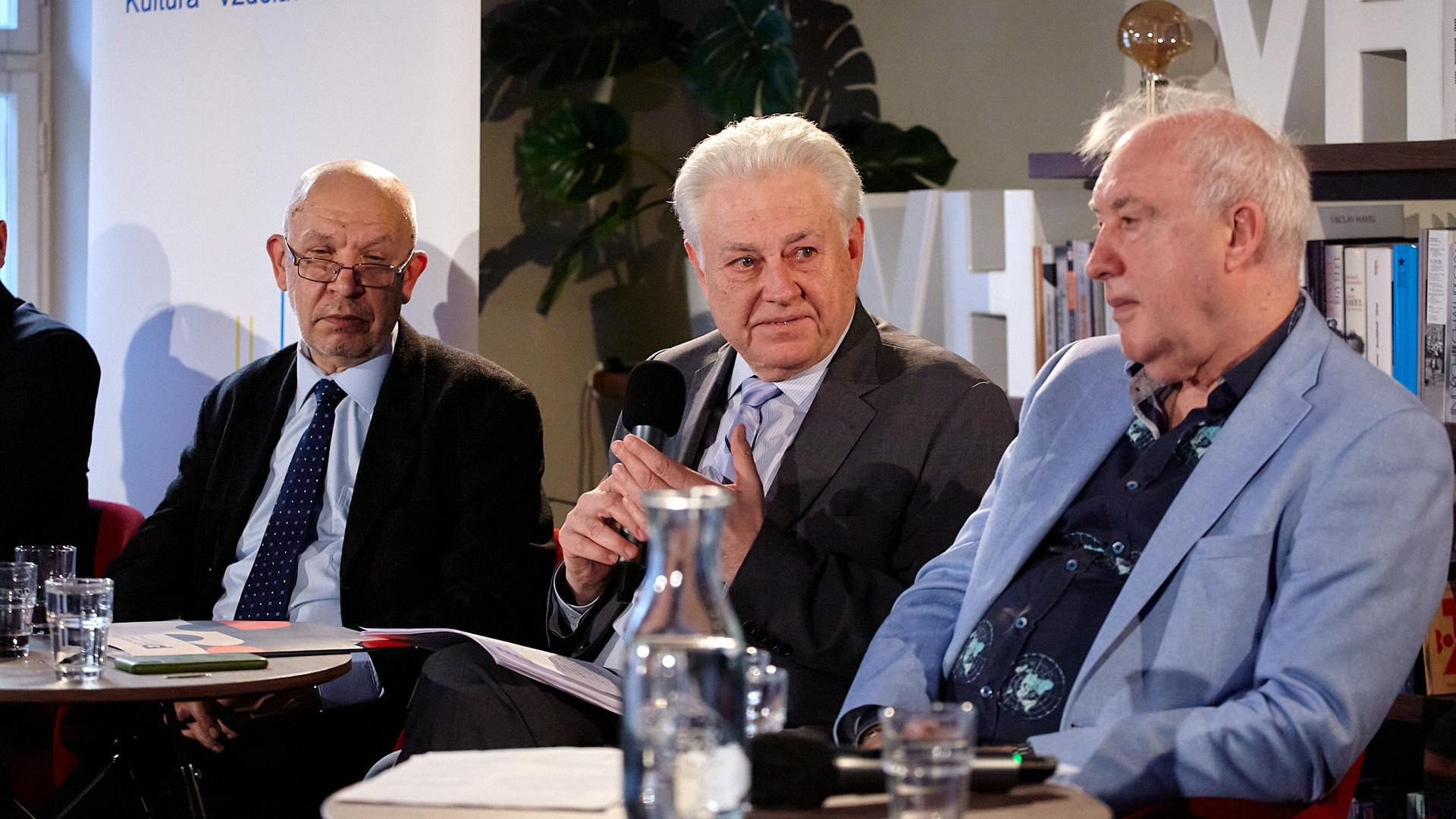
The conference “Ukraine and Global Security” became a platform for discussing not only Ukraine’s future, but also broader issues of international politics, the responsibility of democratic states and the need to rethink the European security system.
“The speeches of the participants demonstrated a shared understanding that Russian aggression is not confined to Ukrainian territory, and its consequences directly concern all of Europe. Ukraine’s experience of war, diplomacy and countering imperial policy must be taken into account in shaping the future security order. For the Pylyp Orlyk Foundation, it is important to present the Ukrainian vision of global security challenges and to help ensure that Ukraine remains at the center of Europe’s political, public and intellectual attention,” believes Svitlana Kvitnytska, member of the Foundation’s Board, who took part in the event.
Conference organizers: the Ukrainian Institute in Prague, the Pylyp Orlyk Foundation and the Embassy of Ukraine in the Czech Republic.