
This time, the central topics of the training were human rights and freedoms during war, personal responsibility and historical memory.
“How quickly can we forget that people fought for rights? People fought for this, were imprisoned, risked their lives. And even when it seems that everything is already safe, that we have won everything and this will never happen again, it is important to keep talking about human rights and fighting for them,” emphasized the author of the program Natalia Omelchuk.
The participants discussed the challenges of implementing the “Introduction to History” course and shared the results of their work with children and their experience of applying the proposed methods.
A separate session was devoted to how to talk with students about historical tragedies. During practical work with the manual “Human Rights in Totalitarian Regimes,” the educators explored how totalitarian systems restricted human rights and freedoms and subjugated society through propaganda, intimidation, persecution, state terror and mass violence.
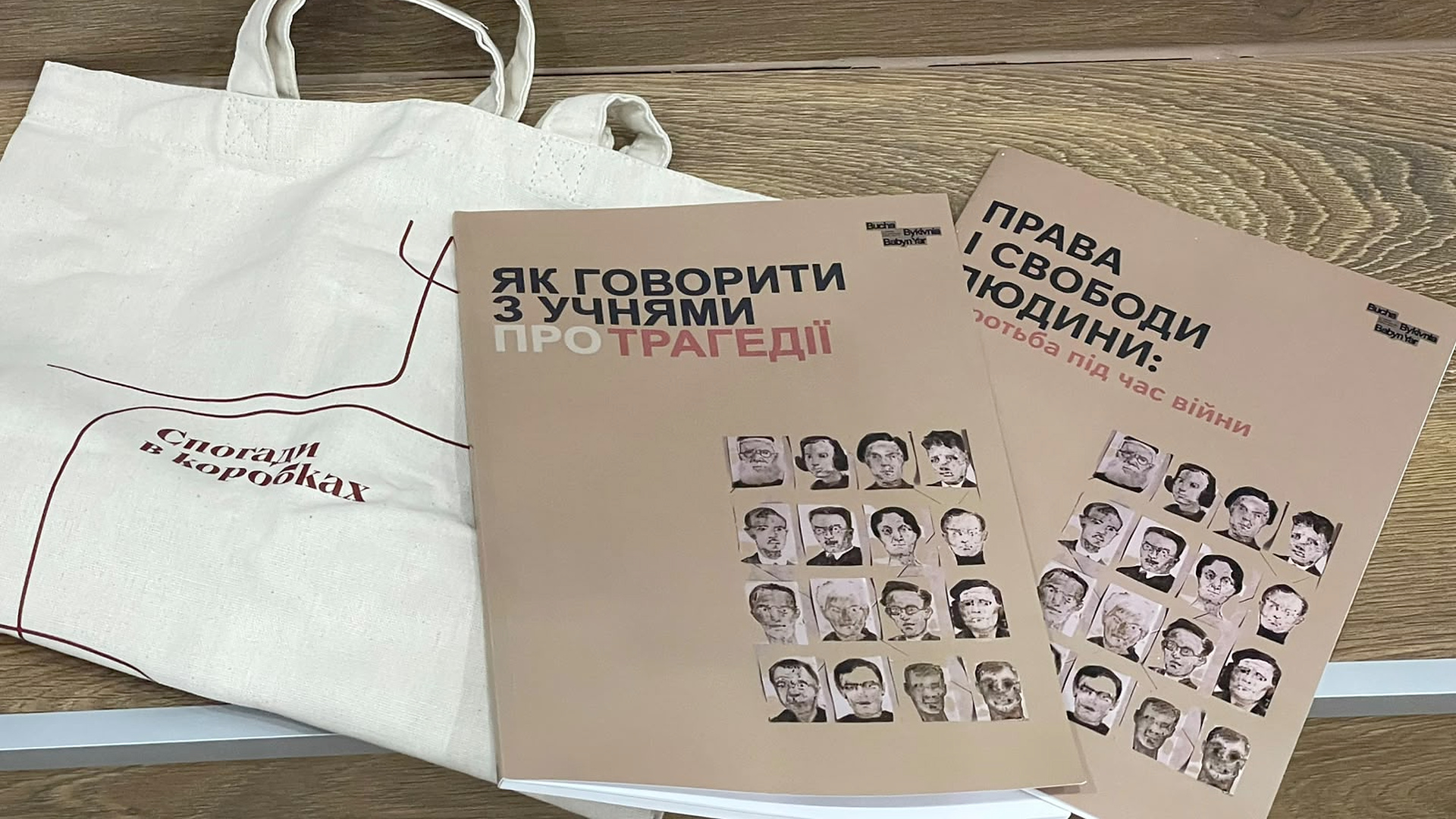
The following sessions addressed war and repression in the ideology of totalitarian regimes, freedom and responsibility, and the struggle for human rights.
An important part of the work was reflecting on personal choice: how circumstances, the information available to a person and their opportunities influence their decisions, and why responsibility for one’s own actions remains a fundamental topic for conversations with children.
Historian and publicist Volodymyr Viatrovych joined the conversation with the educators. The opening question of the discussion was: “What is the history of Ukraine?”
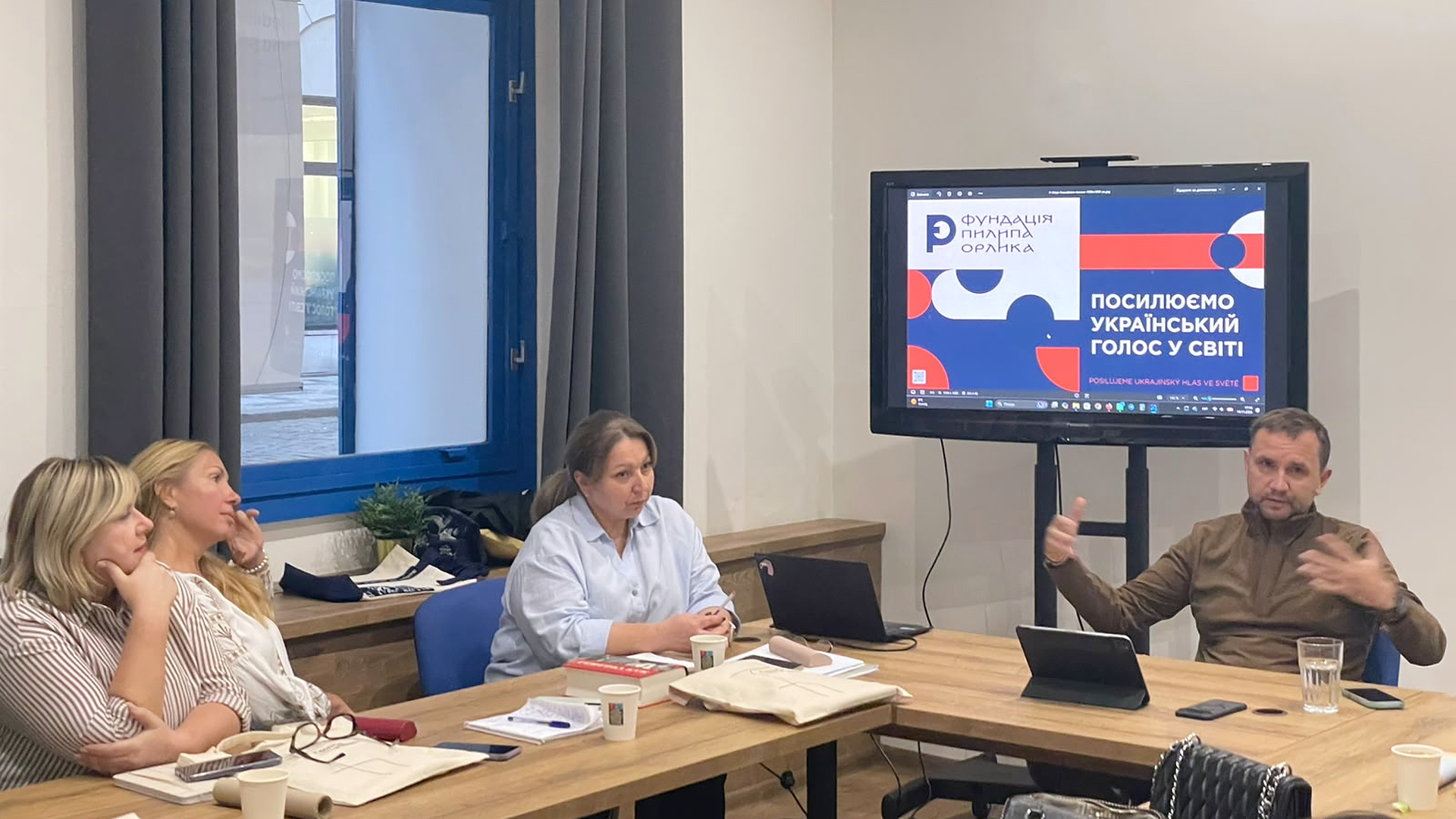
The participants spoke about Ukrainian history not only as a sequence of events and dates, but above all as a history of people. Of a community united by language, memory of the past and a vision of a shared future.
“Teachers are active participants in the process of nation-building. It is they who help pass on an understanding of the shared past and shape a sense of belonging to the national community. That is why the role of education in preserving Ukrainian identity can hardly be overestimated,” stressed historian Volodymyr Viatrovych.
Special attention was paid to Ukrainian identity, the role of the state in preserving it, the connection of Ukrainians abroad with Ukraine, and the teacher’s responsibility for shaping the national community.
They also discussed why, in order to understand historical events, it is important to take into account the circumstances in which people lived, the information they had, and the opportunities they saw before them. This approach helps students not simply absorb historical facts, but critically reflect on the past and understand the motives behind human decisions.
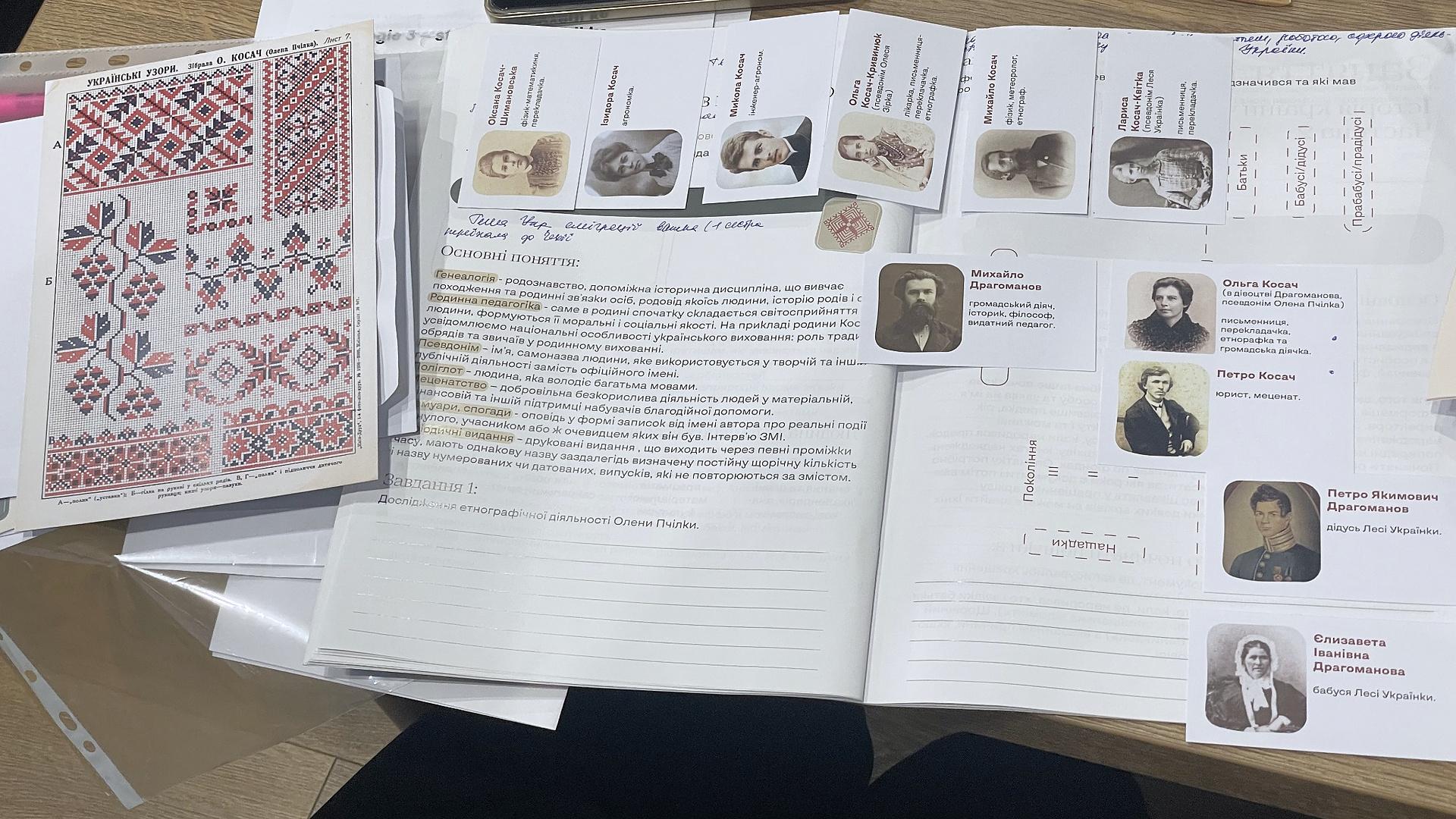
One of the important components of the program is the opportunity for teachers not only to gain new knowledge, but also to analyze their own experience, discuss difficulties and find practical solutions together with colleagues.
Olesia Hnatiuk, a representative of the Plast organization from its Ostrava branch, said that after moving to Czechia she realized how limited the opportunities for Ukrainian children to learn their native language, culture and history can be.
“This course gives my child this opportunity, because it prepares teachers who will teach the history of Ukraine here, in Czechia, in different cities. And teach it in an engaging way. We have received many methods and a lot of knowledge here, and we will be able to pass it on to our children,” shared Olesia Hnatiuk.
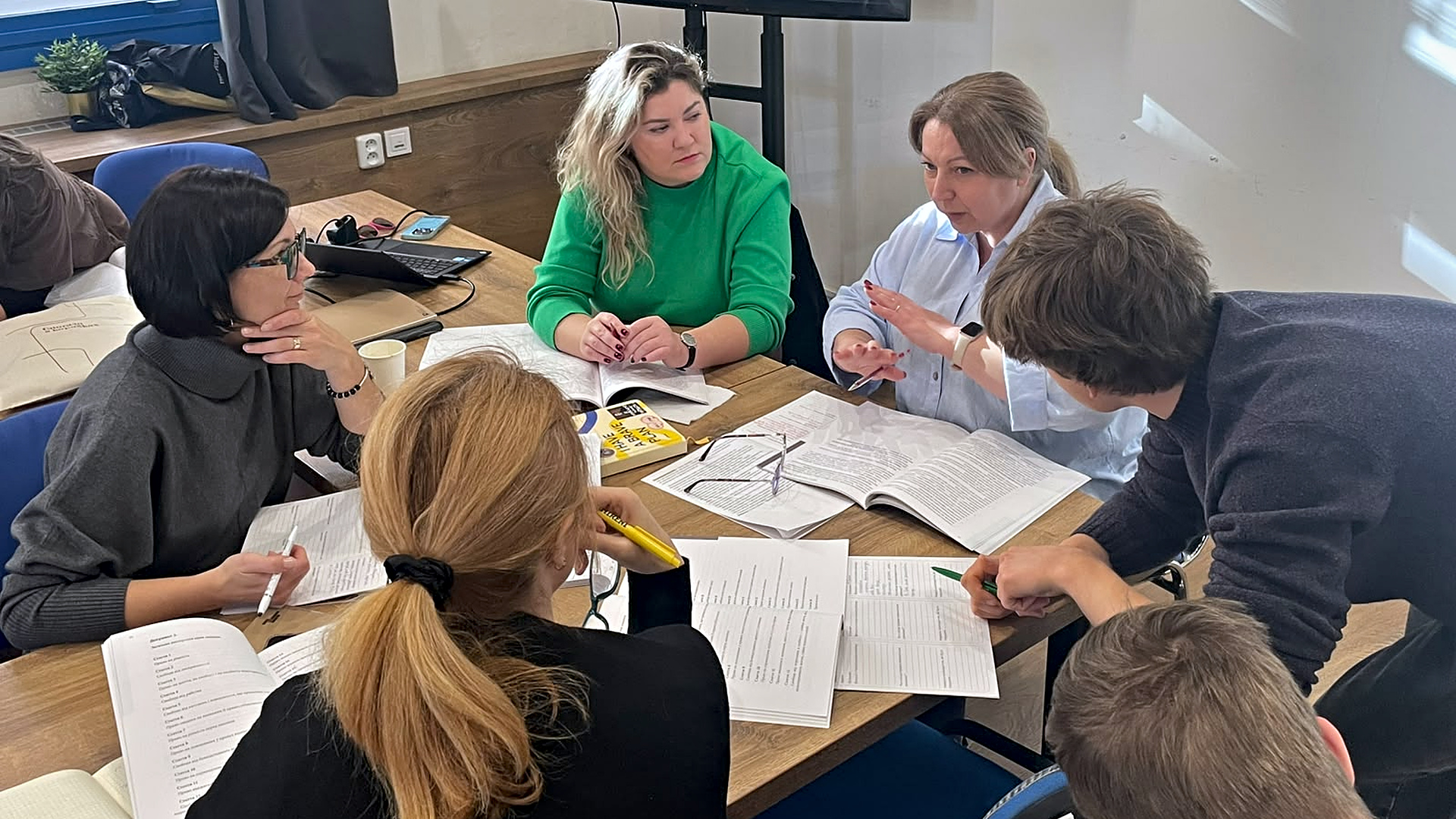
For Illia Kozin, a representative of Ukrainian Studies from the city of Košice (Slovakia), taking part in the second module was an opportunity to discover new approaches to working with sensitive historical topics.
“This meeting gave me an alternative perspective on how to talk about tragedies. I will be able to use the new learning formats not only in conversations about difficult historical topics, but also in teaching people at our studies in general,” he noted.
Illia Kozin also highlighted the motivational aspect of such meetings: communicating with people who share common values and goals helps find new strength to continue educational work.
“One of the challenges is the learning losses students have suffered as a result of the full-scale war and the COVID-19 pandemic. This especially concerns children who were forced to move abroad and study in local schools. Due to an insufficient knowledge base, it is sometimes difficult to explain historical terms, processes and the issues of certain topics to them,” noted the program’s co-trainer Svitlana Kostiuk.
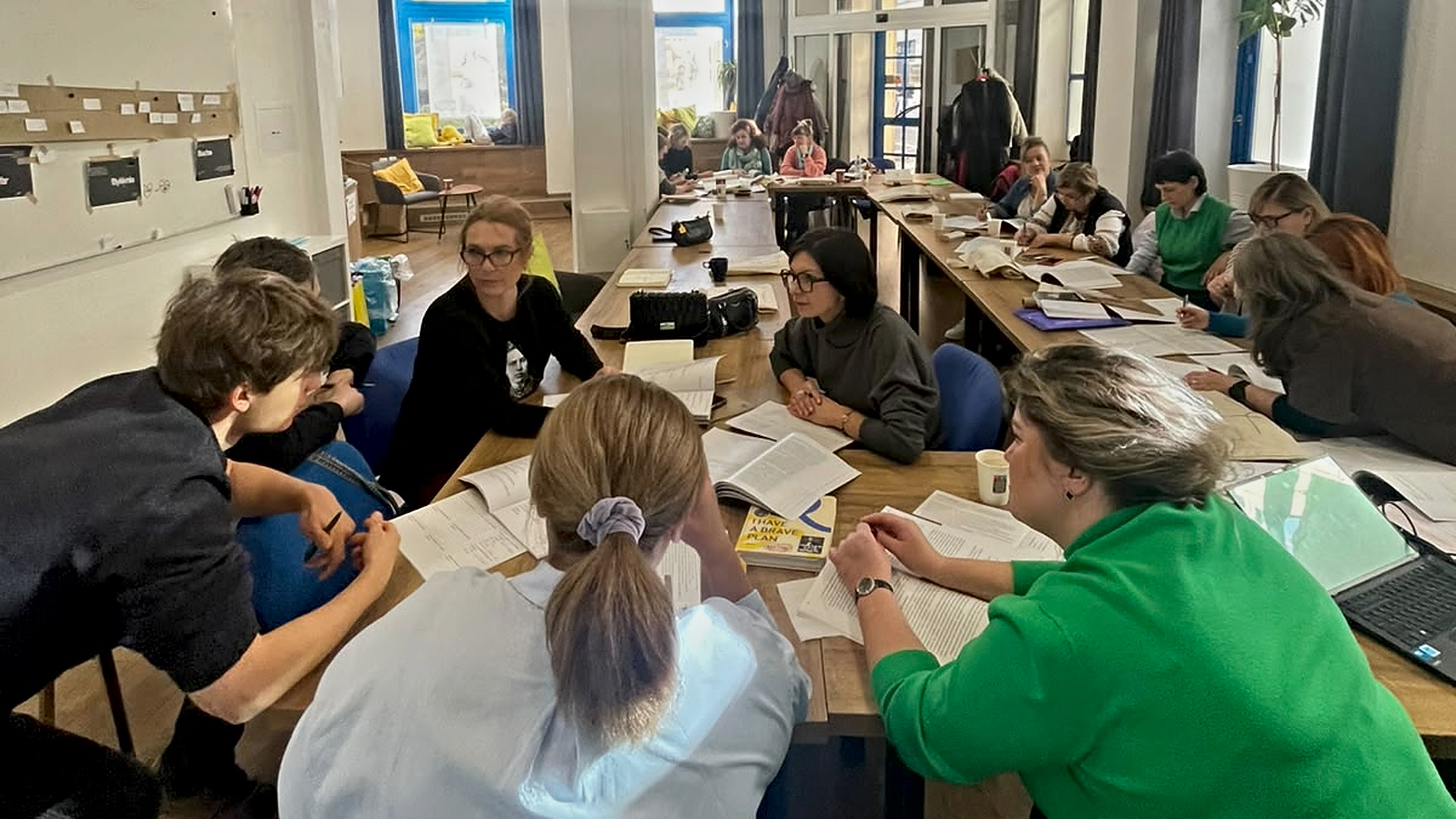
At the same time, the participants note that the program’s comprehensive approach helps overcome these difficulties. It includes work with historical sources and artifacts, museum materials, document analysis and building timelines. This enables children to explore history independently, see connections between events and form their own understanding of the past.
The final part of the module was devoted to the topic of memory and a conversation with the Program Director of the Pylyp Orlyk Foundation Yaryna Yasynevych. The participants continued to reflect on the role of historical memory in shaping identity and passing on experience to future generations.
For the Foundation, the program “Koreni ta Kryla: A History That Unites” (Roots and Wings) is an investment in the future of Ukrainian children growing up outside Ukraine.
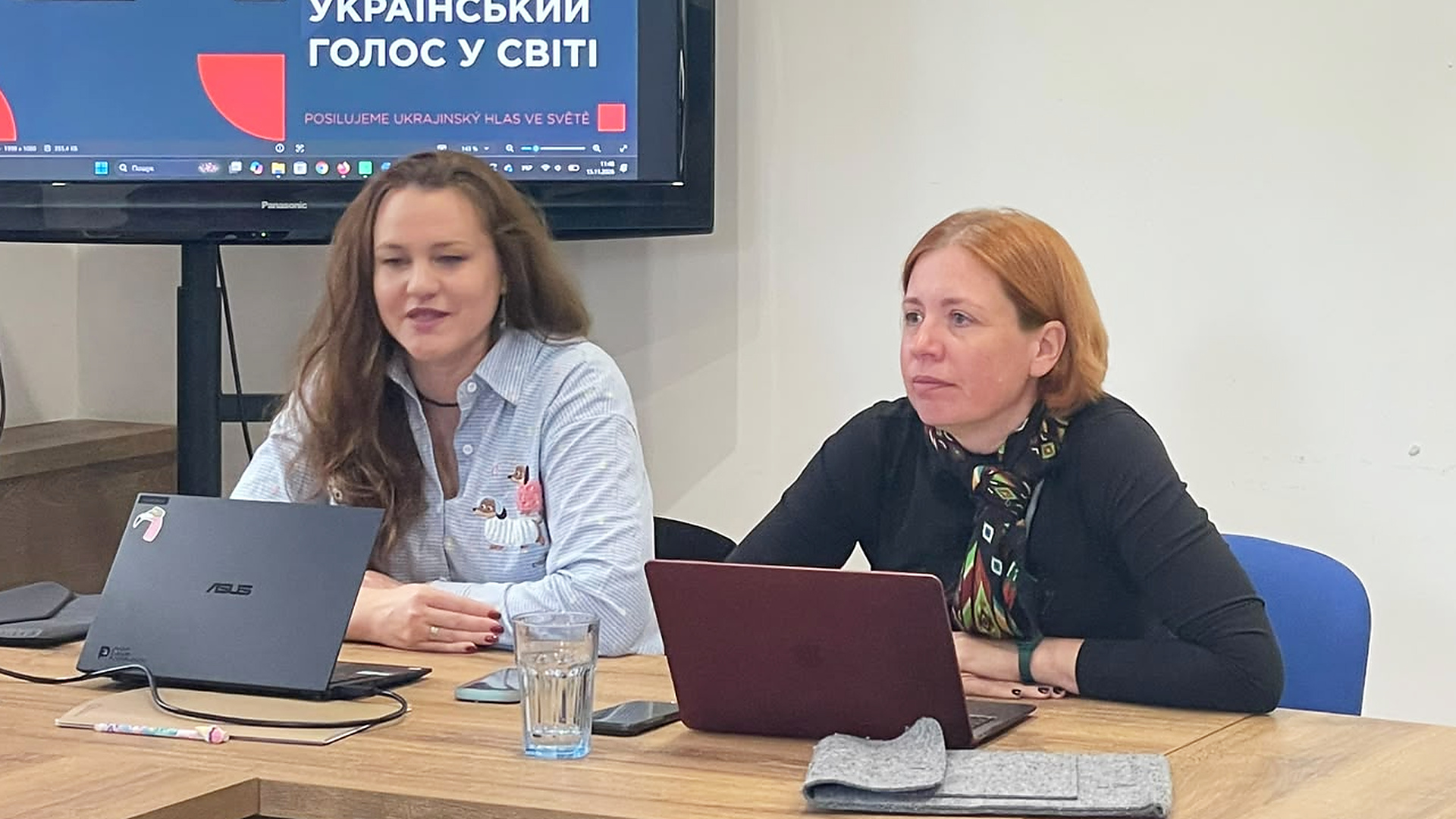
“We want them to have the opportunity not only to know facts from history, but also to feel a connection with their country, understand its values and form their own Ukrainian identity. What matters most is the feeling with which a child leaves our lesson: only pain for Ukraine, or also respect for it and faith in their own strength?” emphasized Yaryna Yasynevych, Program Director of the Pylyp Orlyk Foundation.
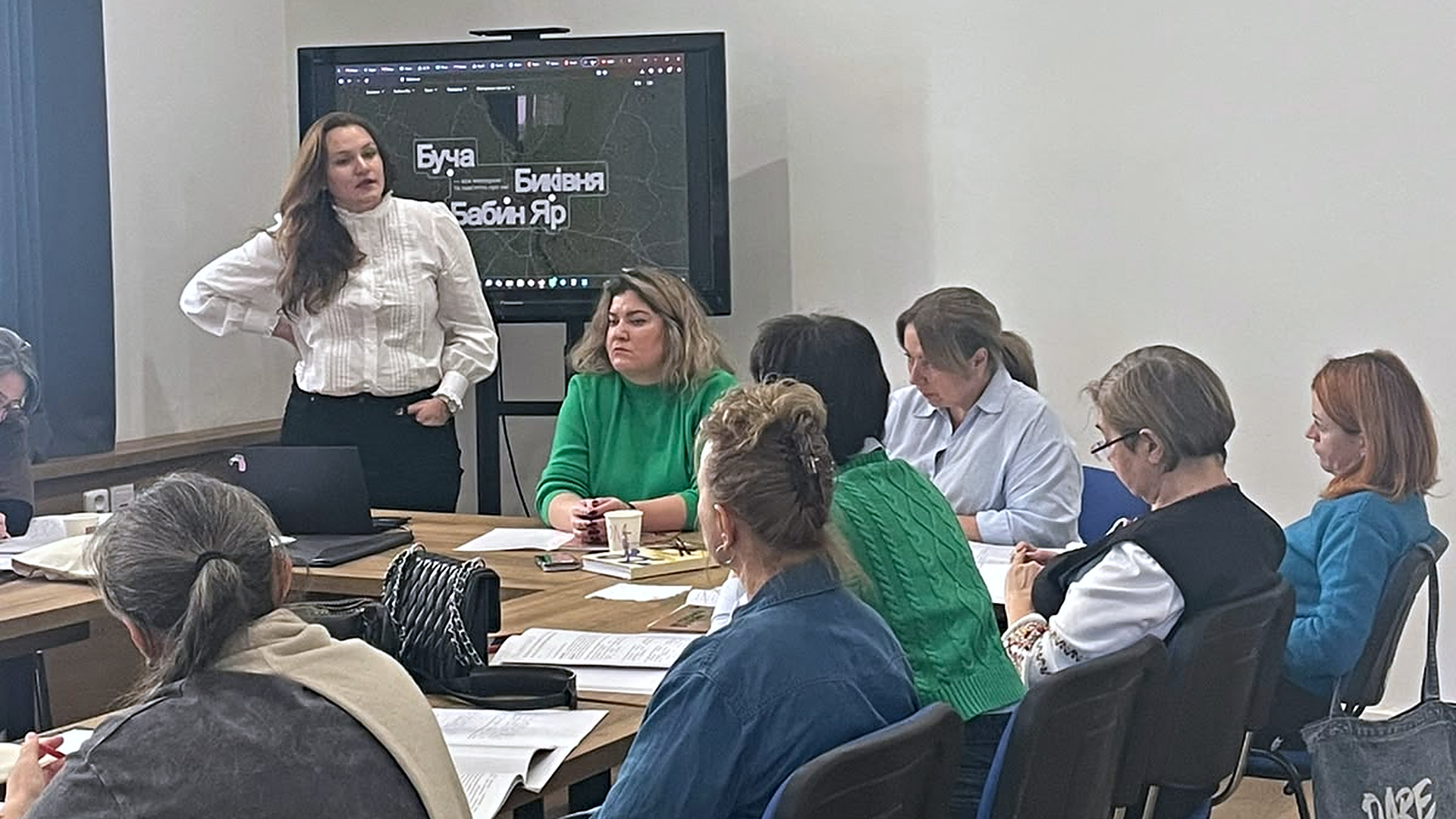
The author of the program Natalia Omelchuk, curator of the Foundation’s educational programs and author of the “Memories in Boxes” method, emphasizes the importance of preserving children’s historical memory and developing high-quality history education in Ukrainian educational centers abroad.
“The issue of preserving children’s historical memory remains extremely relevant today. The main goal of such classes is to help teachers take children beyond the classroom, spark their interest, teach them to think, ask questions and look for answers, because history is not just a textbook,” says Natalia Omelchuk.
That is why the program combines modern educational methods, practical work with historical materials and mentoring support for teachers.
The next, third module will take place on January 22–24, 2027. Its topic will be the course “Memories in Boxes. Discussions” for teenagers.
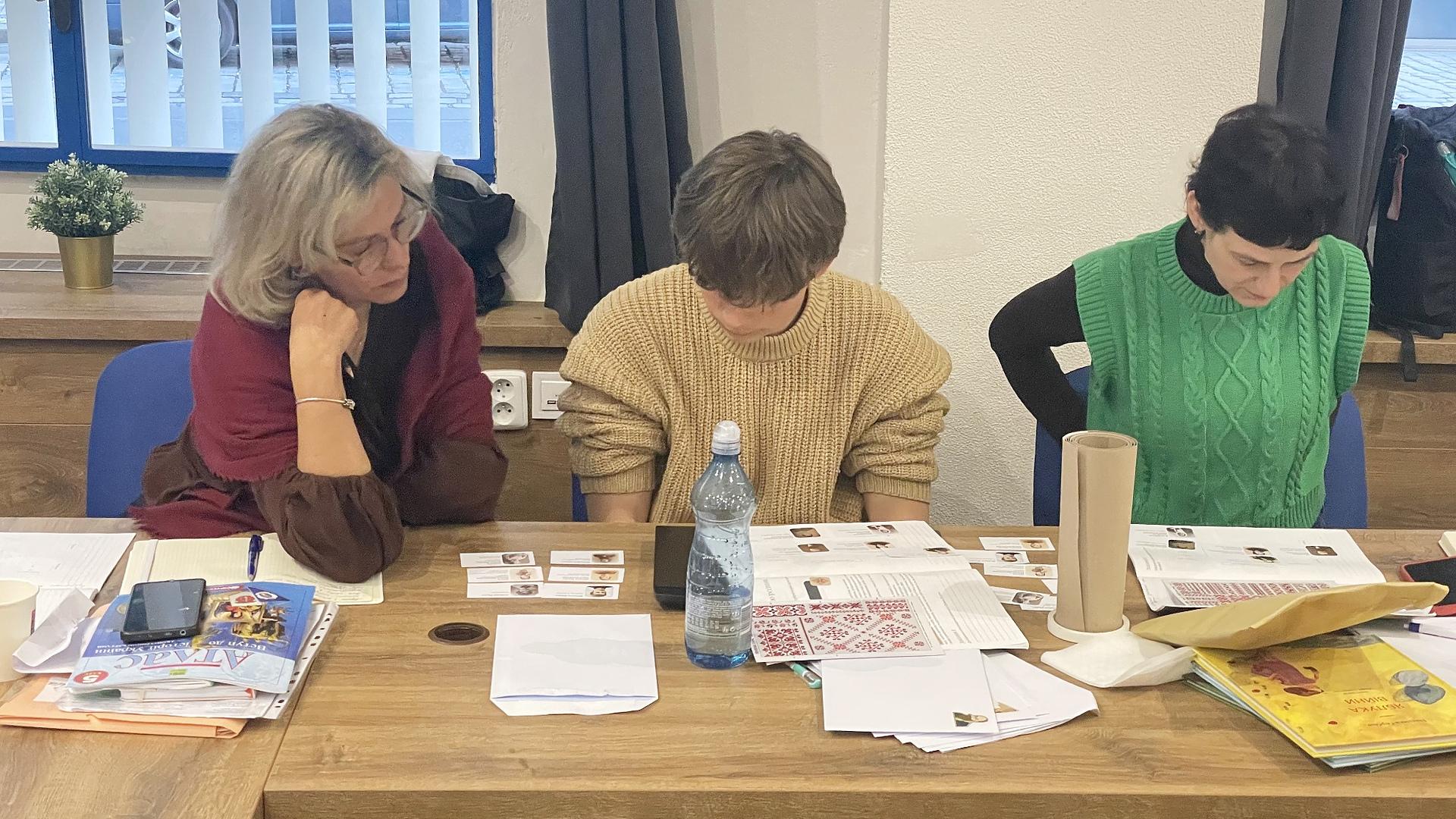
The goal of the program “Koreni ta Kryla: A History That Unites” (Roots and Wings) is to help Ukrainian educators abroad teach the history of Ukraine in an engaging and meaningful way, work with difficult historical topics, and support children’s connection with Ukrainian culture, history and national identity.
The first in-person module of the program, dedicated to the “Memories in Boxes” method and work with the “Introduction to History” course, took place in September. The participants also held practical training at the National Museum of Czechia and attended a walking lecture through Prague by historian Volodymyr Poltorak.
Program partners: the Embassy of Ukraine in the Czech Republic and the Ukrainian Institute in Prague.


