
The document and its signatories were discussed by history popularizer Inna Kovalyshena, researcher of medieval and early modern Ukrainian history Viktor Horobets, and Honored Lawyer of Ukraine, head of legislative activity at the Pylyp Orlyk Foundation Oleksii Yushchenko. The event was moderated by radio host and director of the Institute of Sobornist Serhii Stukanov.
The event consisted of three parts. Inna Kovalyshena spoke about why humanity began creating constitutions at all, how such documents influenced life, and how Ukraine was woven into this international context. Viktor Horobets devoted his presentation to the preconditions for the emergence of a constitution in the Hetmanate, the Hetman’s relations with the Cossack officer elite, and attempts to establish a balance between them. In his part, Oleksii Yushchenko shared his thoughts on how Ukrainian constitutional thought has evolved from Orlyk’s time to the present day, tracing the continuity and interdependence of ideas.
The main criticism of the Orlyk Constitution is that the norms and provisions it set out remained on paper and were not implemented in practice, despite being revolutionary for the early modern era. Both the very emergence of the document and the impossibility of fully implementing it were connected with Ukraine’s increasing subjugation by Muscovy after Ivan Mazepa’s failed attempt to rise up against Peter I with the support of the Swedes.
Although the times were difficult and the Constitution’s existence was declarative, the document and its champions — Pylyp Orlyk and his like-minded associates — triggered the so-called butterfly effect. The consequences of signing the “Pacts and Constitutions of Rights and Freedoms of the Zaporozhian Host…” proved more significant than it might have seemed at first glance: both for their contemporaries and for subsequent generations.
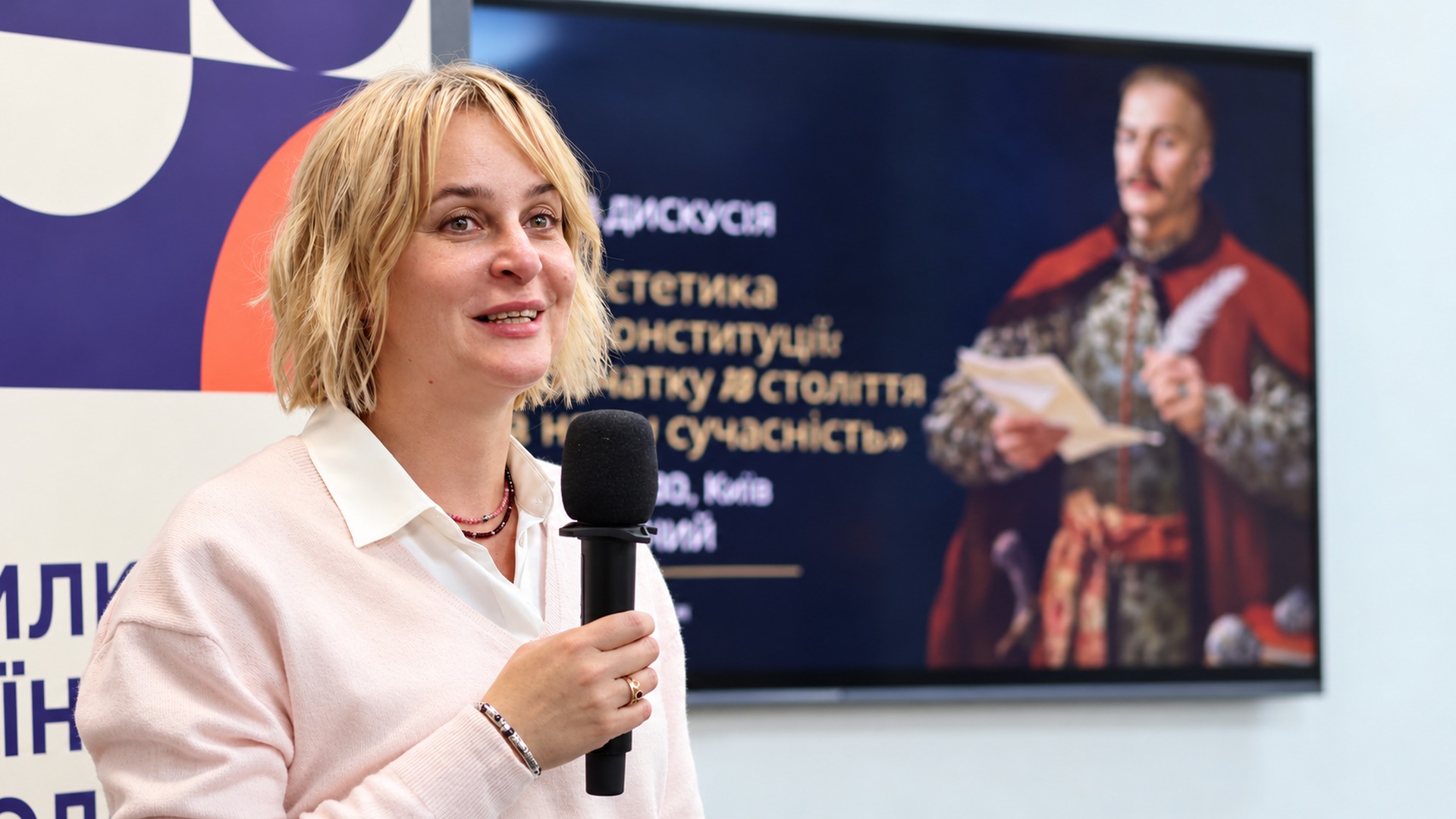
At the beginning of the discussion, Member of the Board of the Pylyp Orlyk Foundation Svitlana Kvitnytska noted that after the defeat at the Battle of Poltava and Mazepa’s death, Pylyp Orlyk, as Hetman in exile, devoted the rest of his life to seeking international support in Ukraine’s struggle against Muscovite oppression. This remains one of the organization’s leading areas of work in the 21st century as well. In particular, the Foundation advocates for Russia’s expulsion from the UN and works to strengthen Ukraine’s voice in the world.
“If Pylyp Orlyk knew that hundreds of years later Ukrainians continue his cause and discuss his Constitution, I think he would be pleased. So happy birthday, Hetman,” said Kvitnytska.
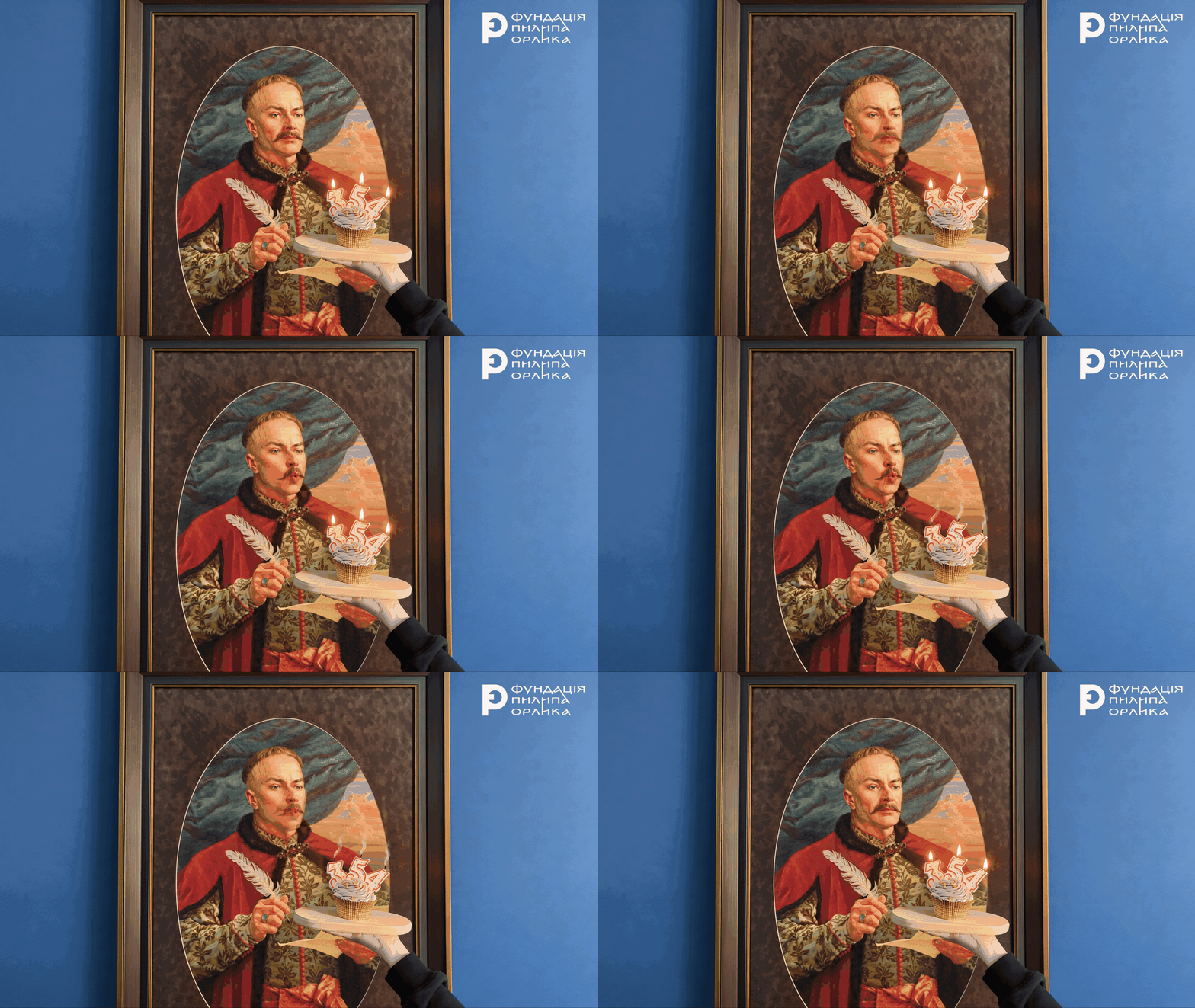
Author of historical nonfiction Inna Kovalyshena emphasized the underestimated role of the Hetmanate in exile. Contemporaries could show disdain for such governing bodies, since real influence on Ukrainian politics belonged to those who were in Ukraine. Despite this, the Russians fiercely hated Orlyk and constantly tried to kill him, even though he should not have posed a threat to them. Inna Kovalyshena explained what was really going on and how the Hetman got under the Muscovites’ skin:
“The Hetman’s Mazepists in exile managed to ‘wear out’ all of Europe. They wrote letters to various royal courts, constantly reminding them about Ukraine, its rights and the wrongs done to it by the Russian authorities. Their international activity was so powerful that Moscow had to respond to it, otherwise it would have lost face. The tsarist authorities made concessions and temporarily restored the election of hetmans. They were forced to do so in order to convince other countries that they were capable of keeping agreements and that the tsar’s promises carried some weight. As if to say, the Hetmanate hasn’t gone anywhere, we aren’t touching it, it is legitimate. But the Mazepists in exile are illegitimate, and that is why they are making all this noise,” Kovalyshena said. “If Orlyk and his associates had not written so many letters, if not for their vigorous activity in emigration, the Hetmanate would have had far fewer chances of preserving its autonomy for so long.”
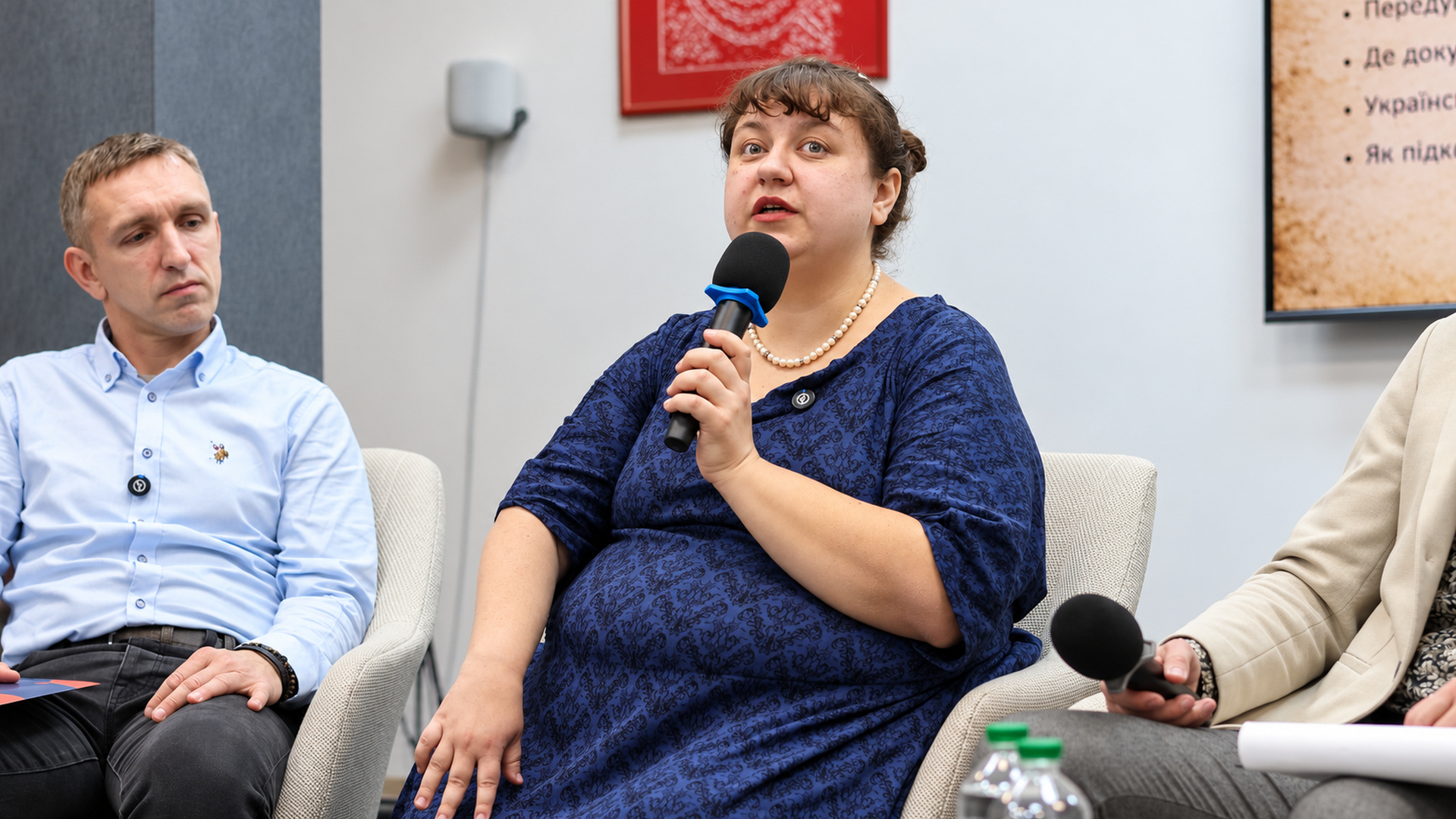
Historian Viktor Horobets observed that the Constitution of 1710 was simultaneously: in relations with monarchs — an organic expression of the Cossacks’ reservation of their own rights and freedoms resulting from previous political experience; in the context of the Hetmanate — a recipe for resolving pressing issues of state structure; and in an ideological sense — to some extent a vision of the future Ukrainian state.
As an example of how the Constitution addressed pressing problems of state structure, the historian cited the financial situation in the Hetman state. The military treasury of the Hetmanate was at once the state’s finances and the Hetman’s personal treasury. Because of this, serious confrontations often arose. Such was the dispute between the Zaporozhian Host and Andrii Voinarovskyi, the nephew of Hetman Ivan Mazepa. After the latter’s death, Voinarovskyi began to claim the right to inherit the Hetman’s funds.
According to Horobets, this case served as a serious impetus not only for reform in the sphere of finances, in particular the introduction of the institution of a general treasurer independent of the Hetman. More broadly, it prompted the Cossack officer elite to bring order to state affairs and to prevent any future manifestations of hetman autocracy. Instead, responsibility for the fate of the state was shared among the Cossack elite. All these ideas were embodied in the Constitution of 1710.
“The document of 1710 was closely connected with the political culture and the relations between different centers of influence in the Hetman state. Its signing was an attempt to eliminate all the shortcomings that had existed before and to introduce models that would be effective for establishing a balance of power between the Hetman, the Cossack officer elite and the Cossack rank and file. This balance could have been achieved through the model proposed in the Constitution of 1710,” Viktor Horobets noted.
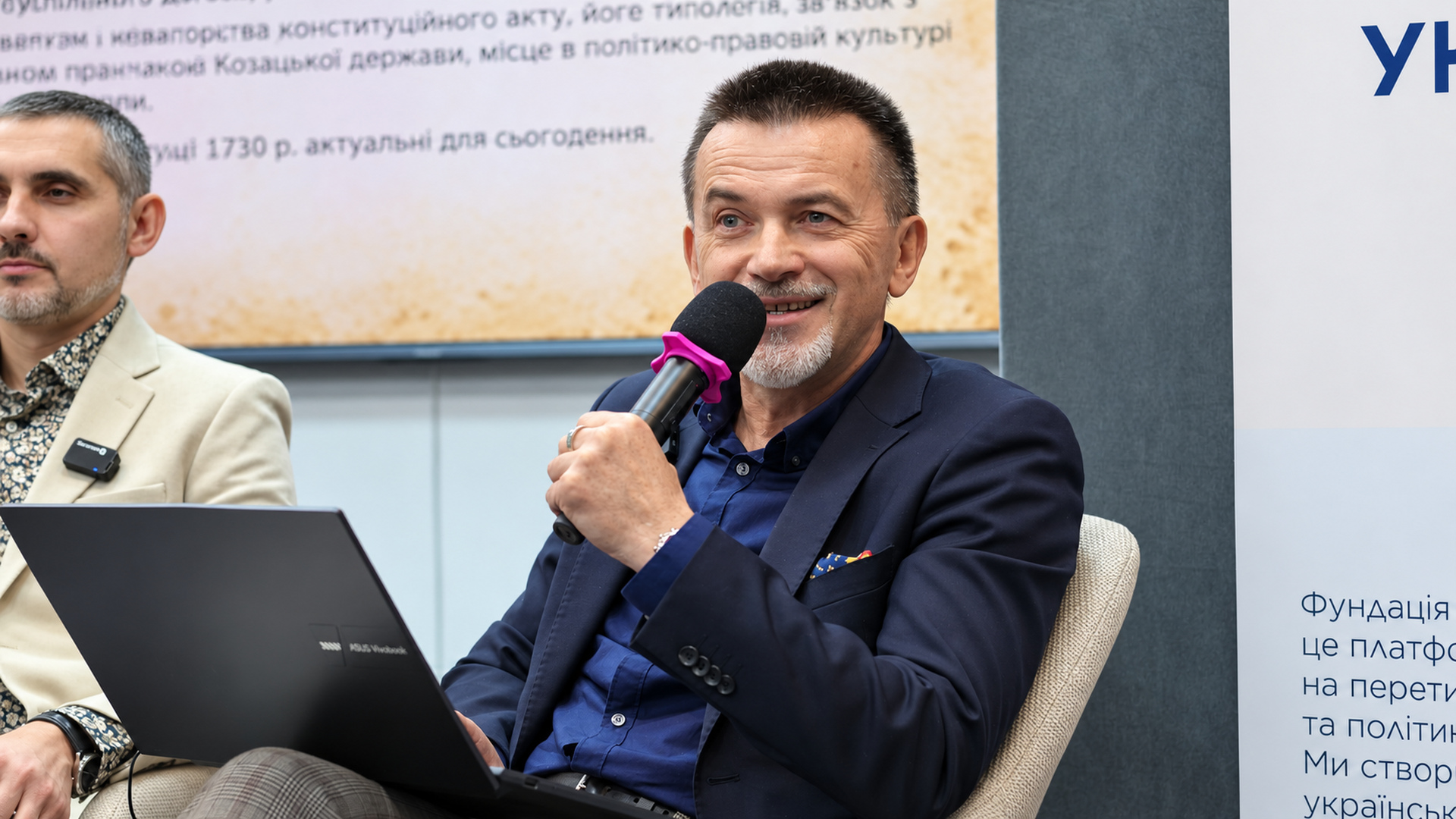
Lawyer and head of legislative activity at the Pylyp Orlyk Foundation Oleksii Yushchenko noted that, while responding to the challenges of its time, the Orlyk Constitution declares values that are fundamental to the Ukrainian people, such as independence, elected government and territorial integrity.
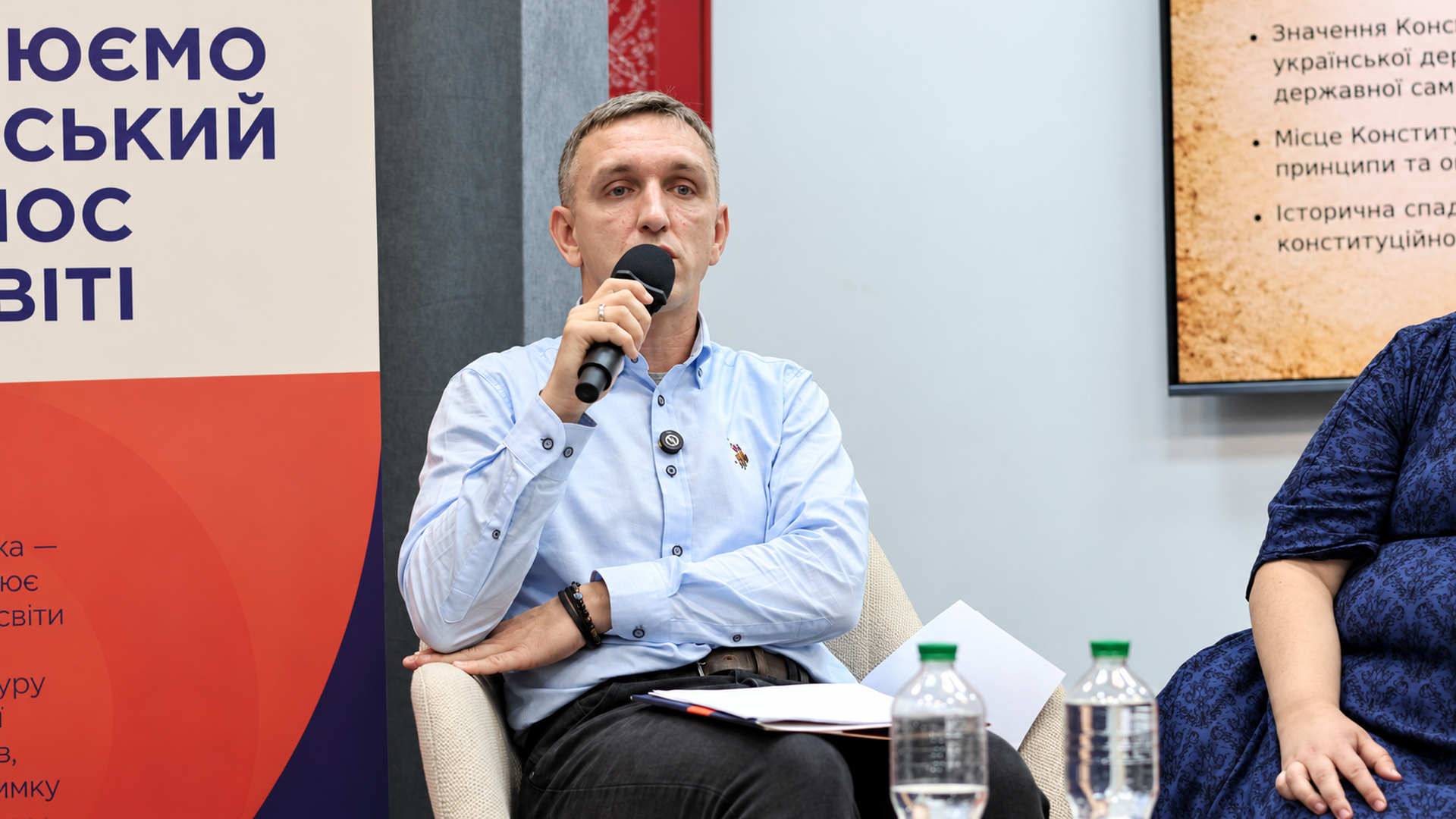
“Every constitution reflects a state of affairs relevant to a particular historical era. Pylyp Orlyk’s Constitution was progressive for its century. But at the same time, many things in it remain valuable to us to this day. They were reflected in all subsequent constitutions of the states that existed on the territory of Ukraine and fought for their independence. They are also enshrined in the current Constitution,” Yushchenko noted.
All participants in the discussion agreed that the “Pacts and Constitutions of Rights and Freedoms of the Zaporozhian Host” of 1710 are evidence of Ukrainians’ popular antipathy towards autocracy and excessive centralization of power. Our ancestors valued elections to important posts, the ability to criticize the authorities and, above all, defending themselves together against external enemies. Everything the Cossacks dreamed of and wrote into the Orlyk Constitution was to be realized “after the liberation of the Fatherland from the Muscovite yoke” (Article I). As Inna Kovalyshena remarked on the sidelines, the current generation of Ukrainians will finally be able to see this liberation with their own eyes.
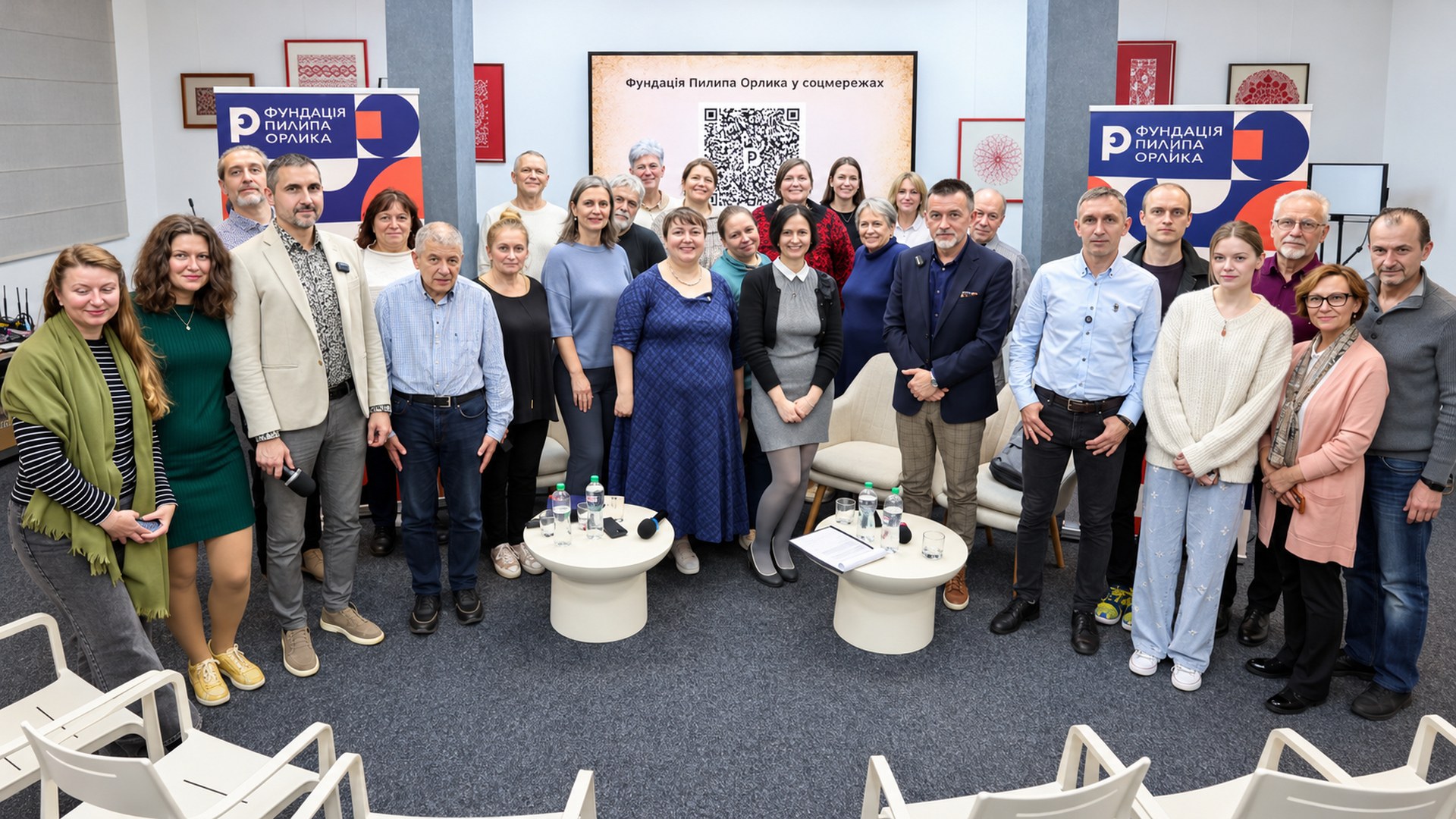
And you can watch the full version of the panel discussion even sooner — on the Foundation’s YouTube channel.


