
The third module — «Ukrainian Folk Culture as the Foundation of National Identity» — combined a conversation with historian Natalia Starchenko about the grand narrative Ukrainian society needs, a lecture and master class by Maksym Berezhniuk on traditional musical instruments, an ethnopedagogy session with Yaroslava Muzychenko, a vytynanka (papercutting) master class, and a meeting with journalist Olesia Kotubei-Herutska.
According to Natalia Omelchuk, coordinator of educational projects at the Pylyp Orlyk Foundation, this block is essential, since culture must be inseparably present in the teaching of humanities subjects.
«We talk about it in lessons, whether history or art. And it’s very important to be able to sense, distinguish, and understand who stood at its origins, how much was defiled, erased, or devalued in Ukrainian culture. We cannot talk about history without talking about culture, and vice versa», — Natalia Omelchuk believes.
At the same time, the module’s task was not simply to discuss folk culture as a separate topic. The goal was to return it to the broader context of Ukrainian history — from folk traditions to the avant-garde, the Sixtiers, and contemporary art.
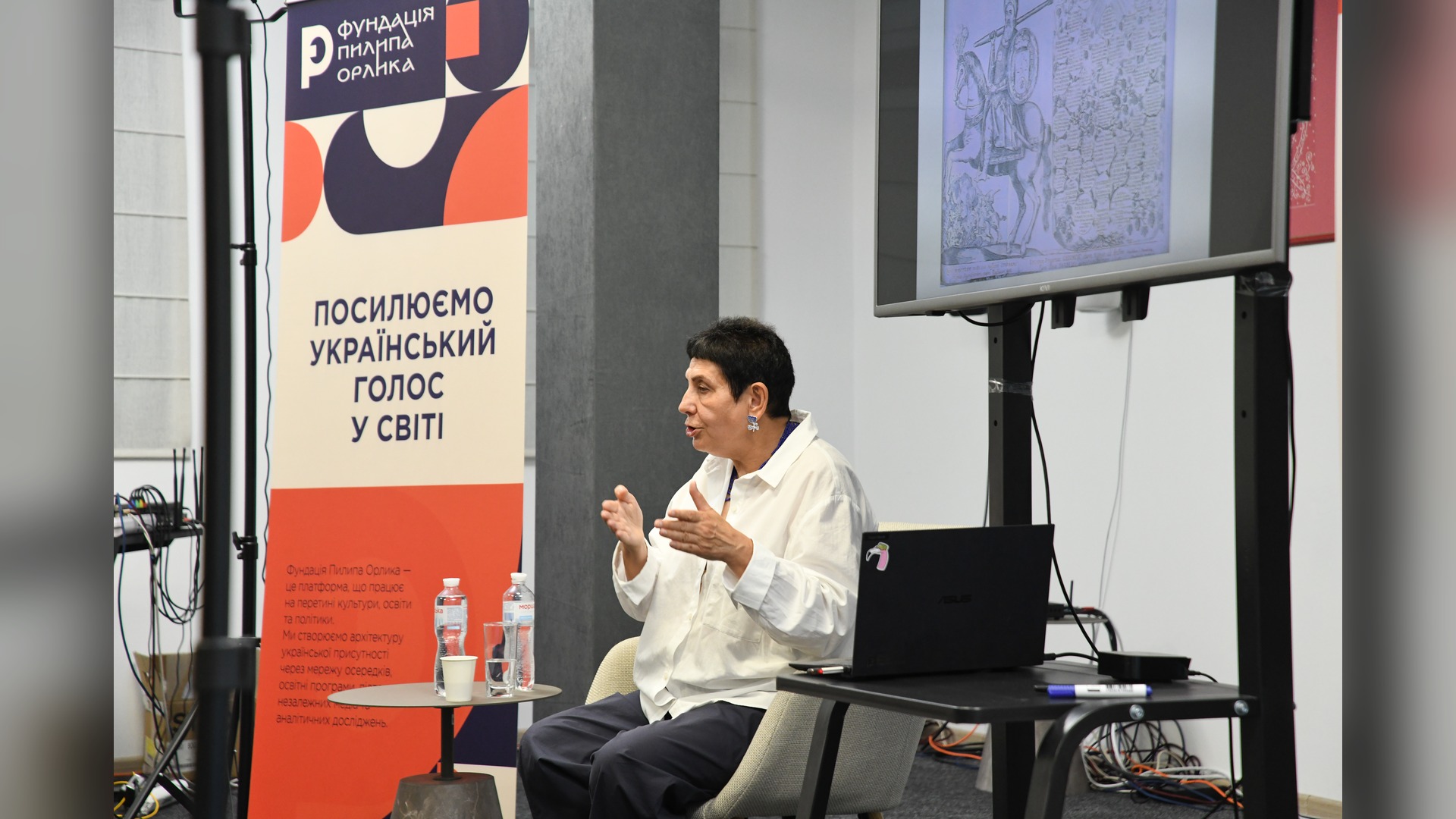
During the lecture by historian and Doctor of Historical Sciences Natalia Starchenko, «What Grand Narrative Do We Need?», the discussion focused on how the narrative of Ukrainian history is being shaped today, how to talk about individual periods, and how to help students connect complex processes without reducing them to a mere set of dates and names.
For Natalia Omelchuk, the opportunity to organize such meetings with researchers was one of the fundamental goals of the entire program.
«What mattered greatly to me was what I envisioned for this school: the importance of teachers talking with scholars, with researchers, with those who are shaping this intellectual history today — those who don’t just repeat someone else’s ideas, but form these ideas themselves».
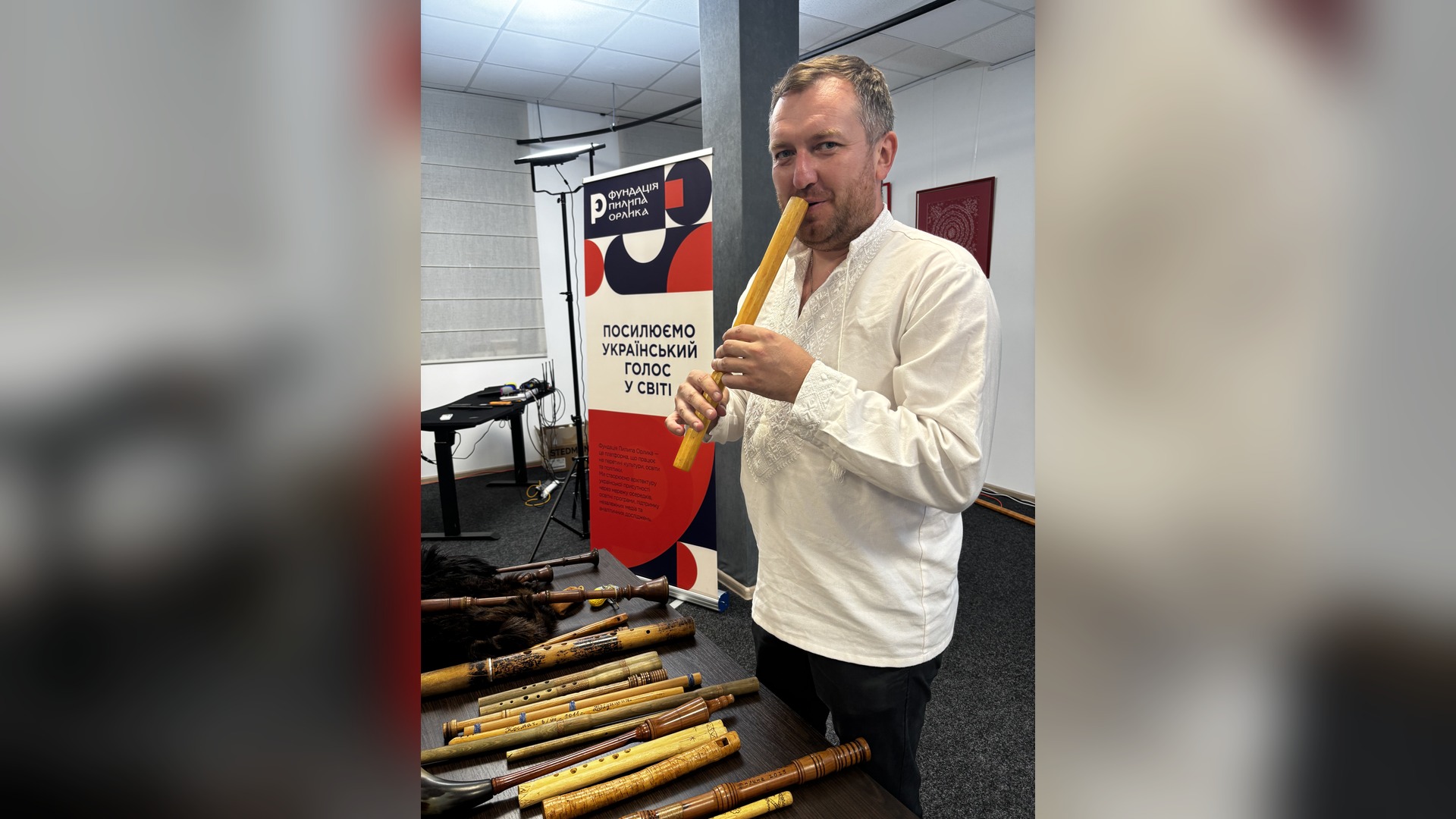
Musician Maksym Berezhniuk spoke with the teachers about traditional Ukrainian musical instruments. He brought part of his own collection, talked about the instruments and their use in various periods, and participants had the chance not just to listen but also to try playing and singing. Teachers can use some of these techniques in their work with children.
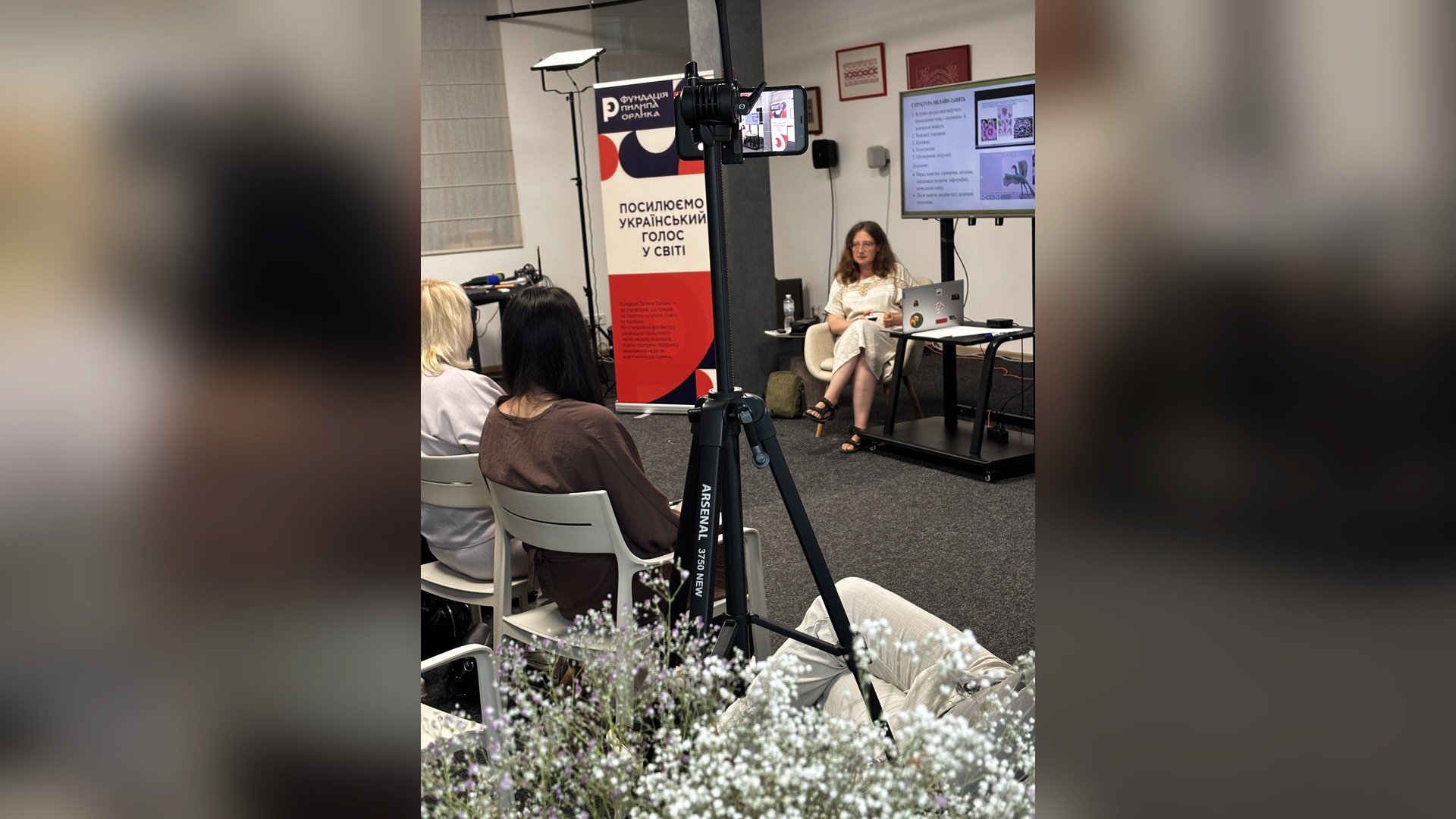
Another major block was devoted to ethnopedagogy. Ethnologist Yaroslava Muzychenko spoke about Ukrainian folk culture in the context of an educational and cognitive resource. Teachers not only listened but also worked with traditional techniques themselves during a vytynanka (papercutting) master class.
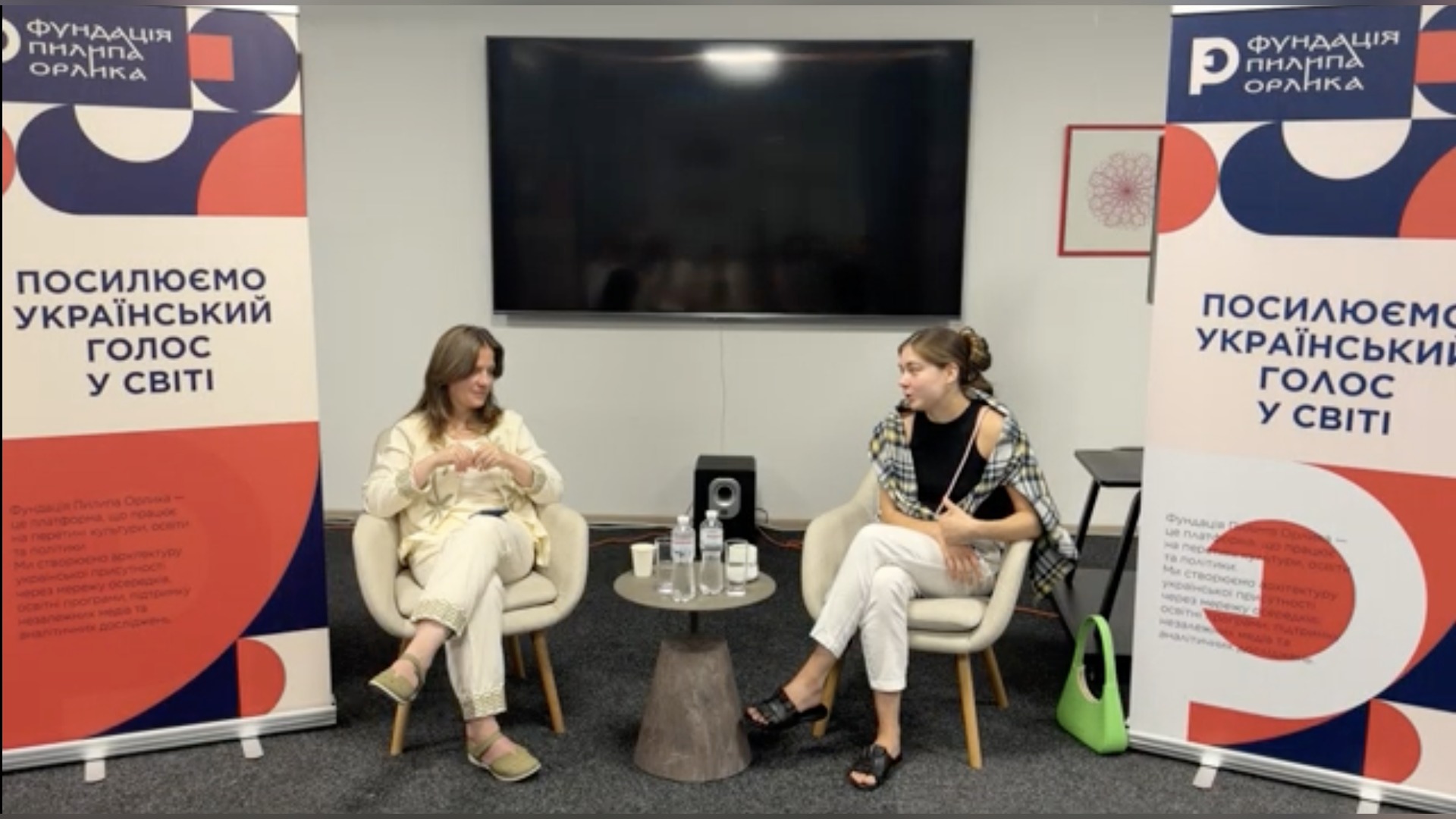
With journalist Olesia Kotubei-Herutska, participants discussed the contemporary coverage of Ukrainian history and how the ways of telling the past to different audiences are changing.
Afterward, the group attended the lecture «Yevhen Konovalets. The Path of a Warrior and Statesman», dedicated to the colonel of the UNR Army, commander of the Sich Riflemen Corps, founder and first leader of the Organization of Ukrainian Nationalists, held at the National Museum of the History of Ukraine. The event was held on the occasion of the return of Yevhen Konovalets’s remains to Kyiv. For the teachers, this was an opportunity not only to hear about this historical figure but also to see Konovalets’s personal belongings, preserved at the museum.
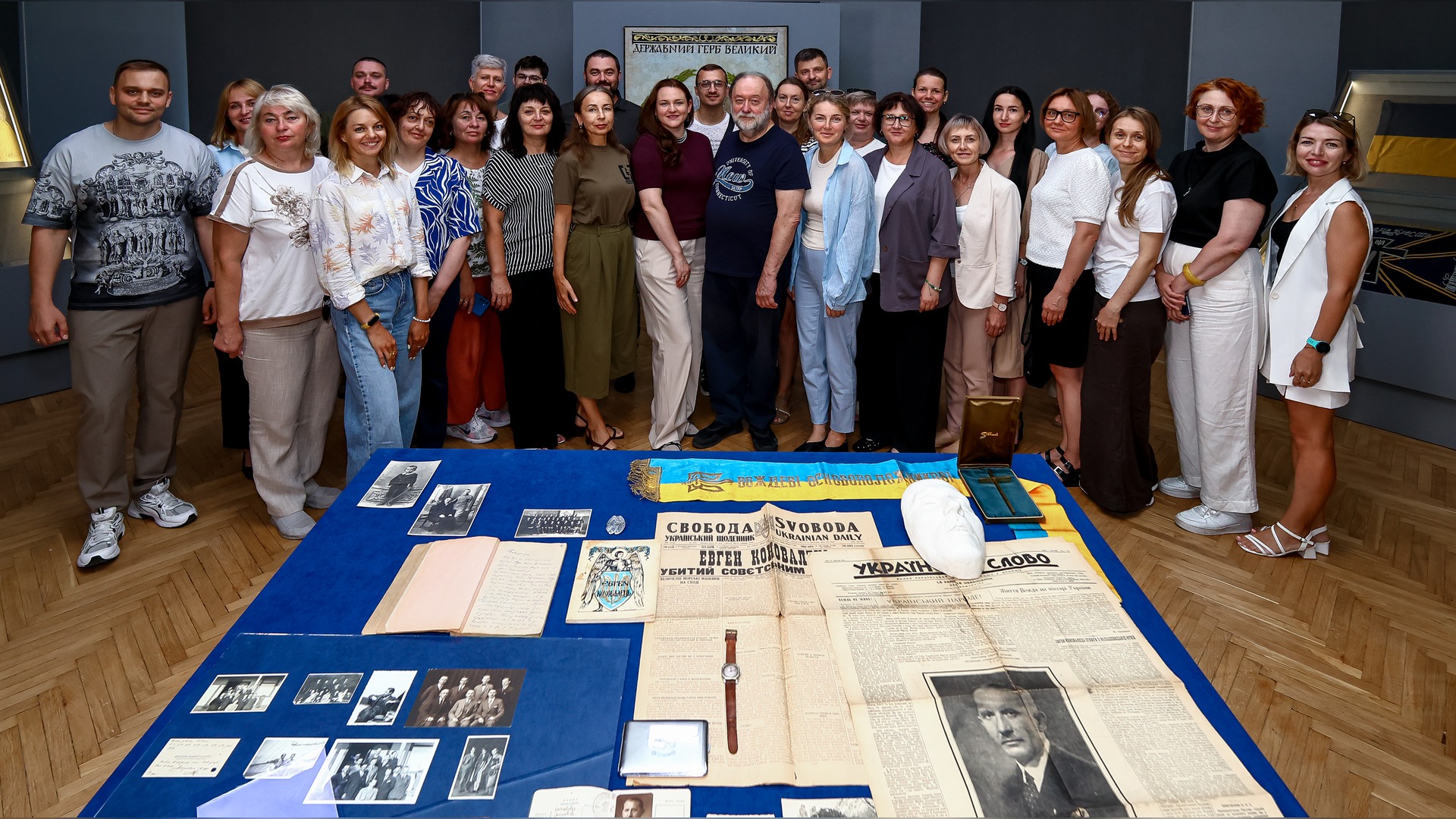
During the closing session, participants received certificates confirming completion of the full course of the Summer School. Afterward, the teachers shared their impressions of the program.
Anna Stermakh highlighted the live interaction:
«No online training gives us emotions. And what we experience right here — that is very valuable».
Olha Lehkoshkur called the participants a «historical family» — people from various corners of Ukraine who, throughout the program, shared their own teaching experience.
Yuliia Tarasova drew attention to the combination of theory and practice:
«What I liked most was precisely the combination of a scholarly approach with a methodological one. The practical orientation of this school was extraordinarily interesting, and extraordinarily useful for me as a teacher».
Yevhen Bondarenko from Kharkiv region thanked the participants and the program team and recalled the words of his university rector, which became a professional guiding principle for him:
«Education will preserve Ukraine».
And Kyrylo Kabanov, during the closing conversation, articulated what, in his view, should happen after the school ends:
«I believe that here we have strengthened our roots and spread our wings. And now it’s no less important that we go back and do the same for our children».
For Natalia Omelchuk, this is precisely the important result of the program — that after these gatherings, each teacher would have something to take back to the classroom: a new topic, a method, an idea for a lesson, or simply a different way of looking at already familiar material.
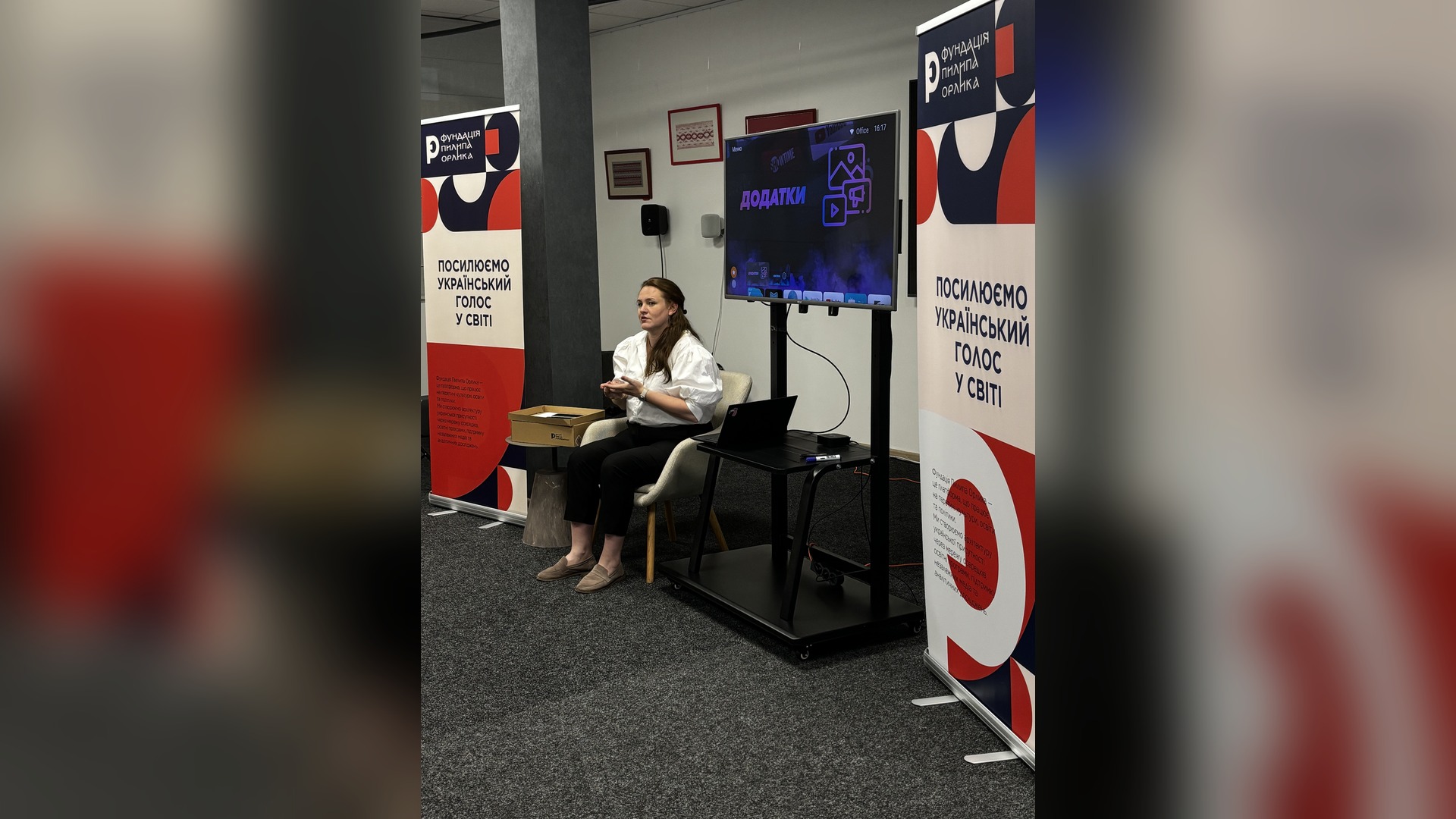
The Summer School is part of the Pylyp Orlyk Foundation’s educational program «Koreni ta Kryla: A History That Unites» (Roots and Wings), designed for history and humanities teachers who live and work in Ukraine. Three in-person gatherings took place between June and August in Kyiv and Lviv. They were united by the idea of showing teachers different ways to work with history — through sources, museum artifacts, culture, art, memory, and practical methods.


