
How the Training Was Conducted
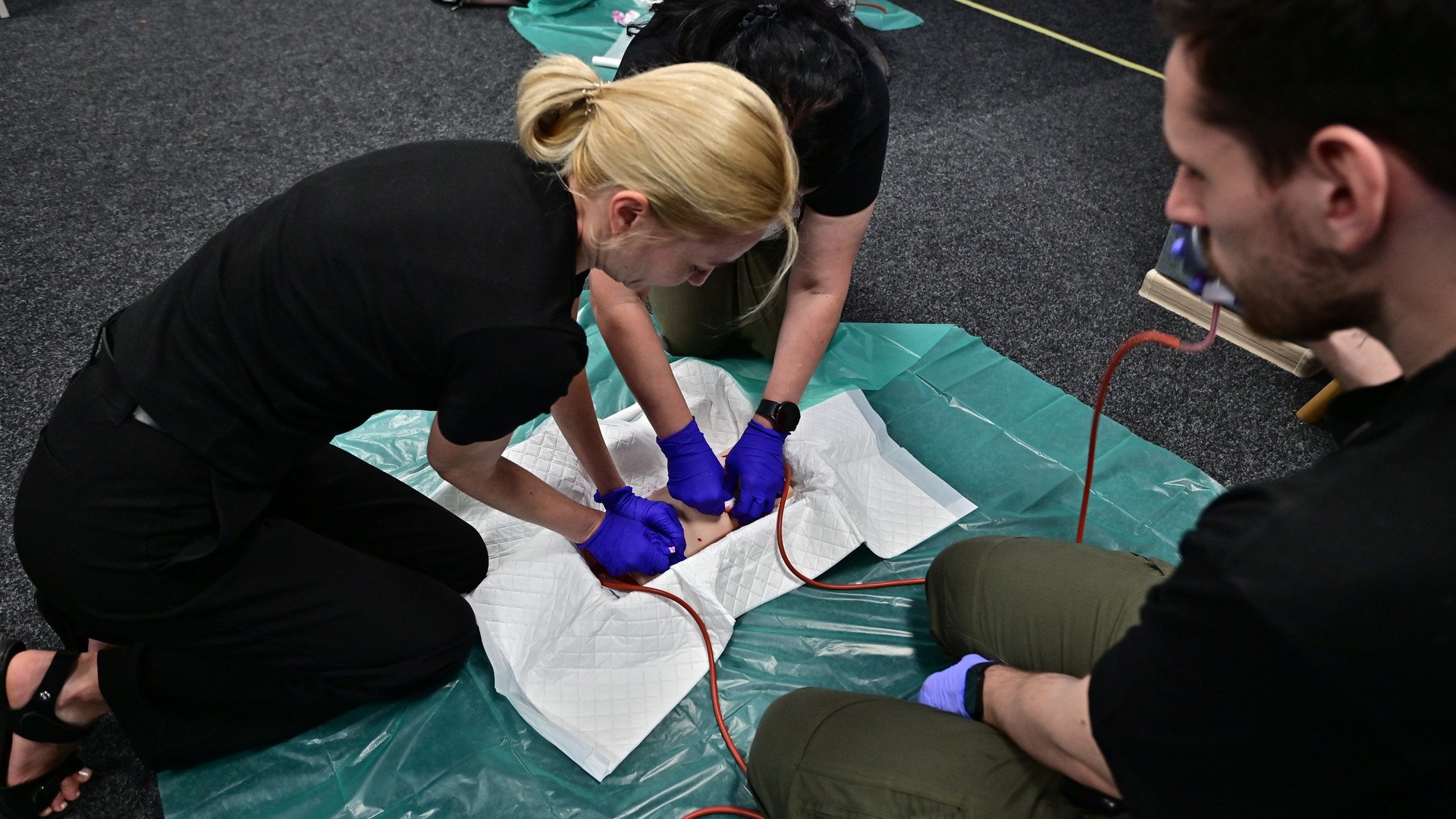
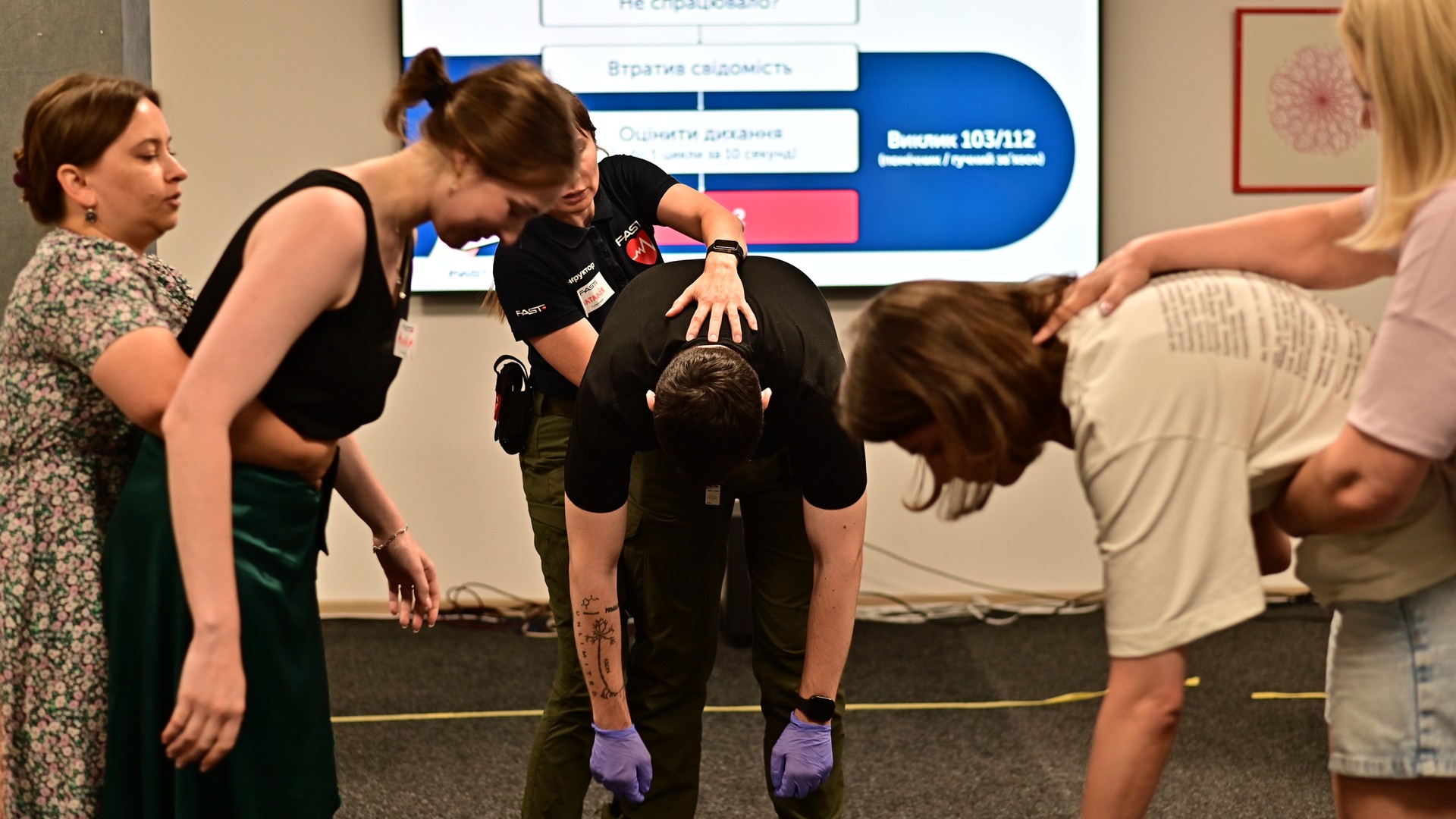
The training was conducted by professional instructors from FAST Ukraine. Participants practiced response algorithms for critical bleeding, loss of consciousness, cardiac arrest, and other emergency conditions.
The Museum Continues to Develop Staff Competencies
Olena Zemlyana, General Director of the National Museum of the History of Ukraine, noted that the training is part of a broader program to develop the competencies of museum staff.
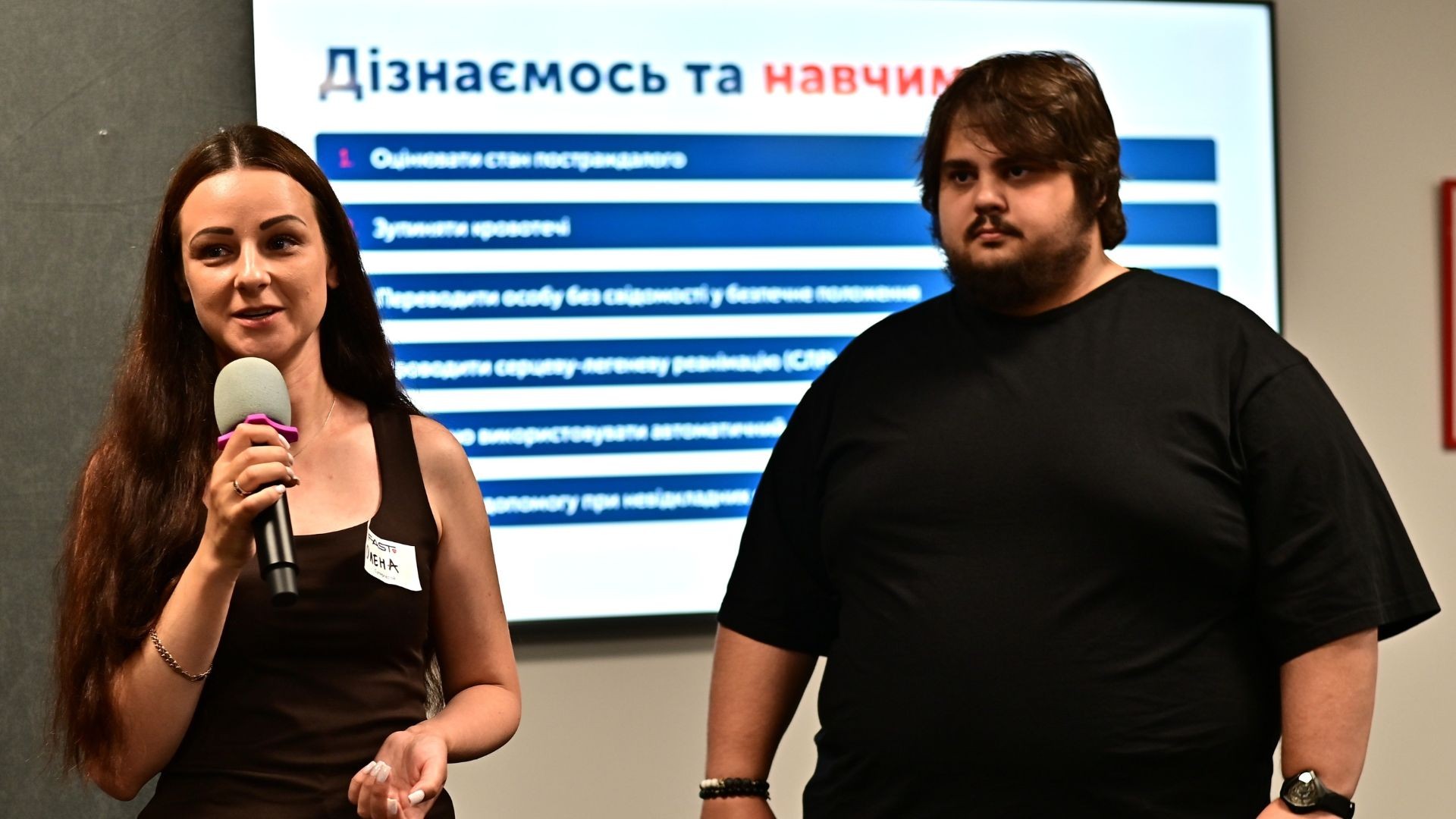
“Thanks to the support program from the Pylyp Orlyk Foundation, we are continuing training that began this year as part of the ‘Museum for Everyone’ program. We are gaining new knowledge to better understand the needs of our visitors, and today we are talking about first aid. We sincerely hope this knowledge will never be needed in practice, but it is important that our staff are ready to act in critical situations,” she said.
The museum’s director emphasized that the need for such knowledge is also confirmed by practical experience.
“Unfortunately, we have already had cases when children fell ill during a museum visit. Our staff did not panic and were able to provide the necessary help before emergency services arrived. It is precisely those first minutes that are decisive, which is why we strive to have as many employees as possible master these skills,” noted Olena Zemlyana.
Why the First Minutes Matter
Nataliya Boyko, a first aid instructor with FAST Ukraine, emphasized that timely action by bystanders can save a life even before an emergency medical team arrives.
“There are conditions that develop very quickly. Critical bleeding can be fatal within minutes, and time also plays an important role in saving a life during cardiac arrest. That’s why first aid knowledge and practical skills make it possible to support a casualty until medics arrive. This is relevant not only during wartime but also in everyday life — in public places, on the road, or at home,” explained Nataliya Boyko.
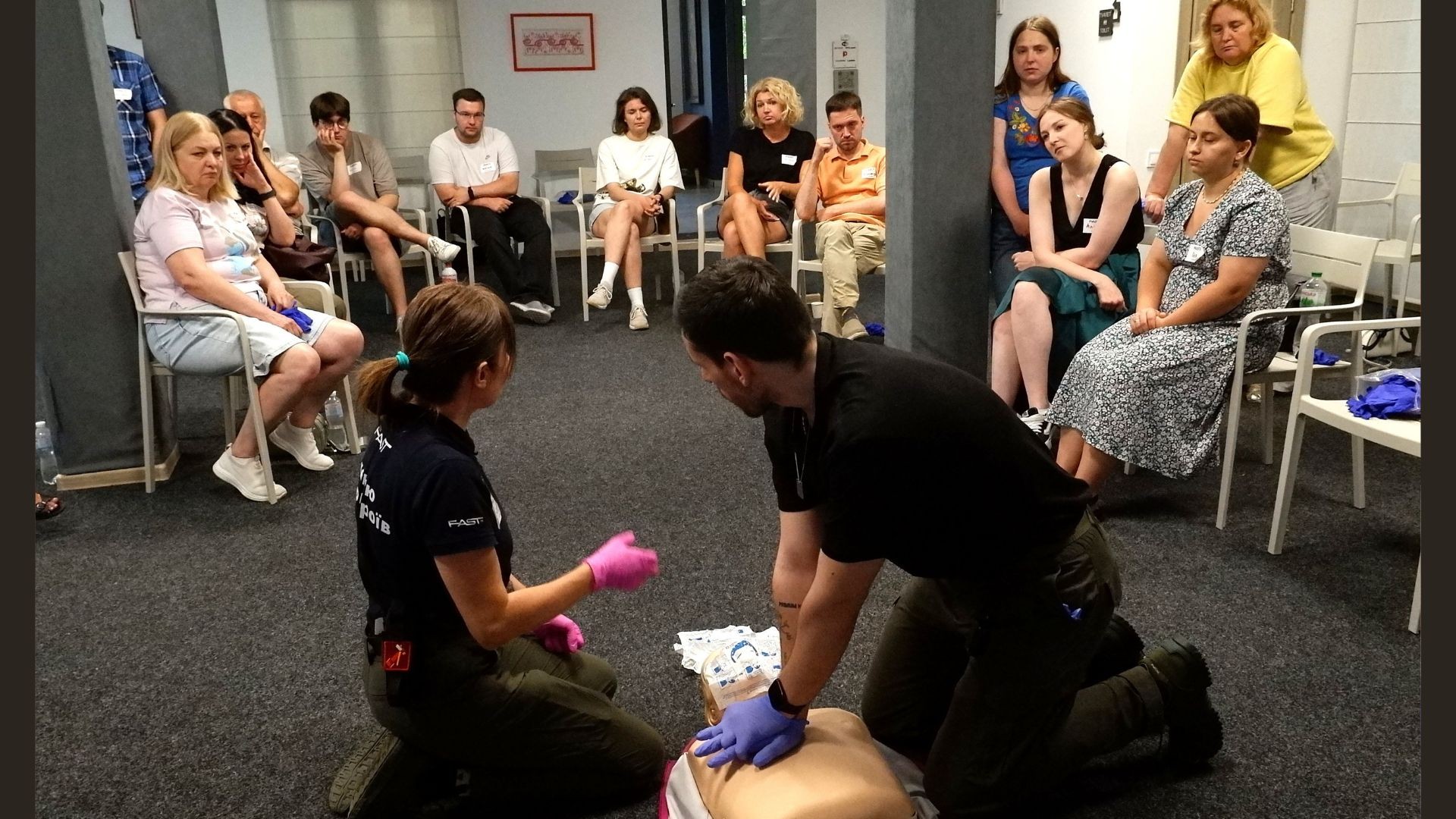
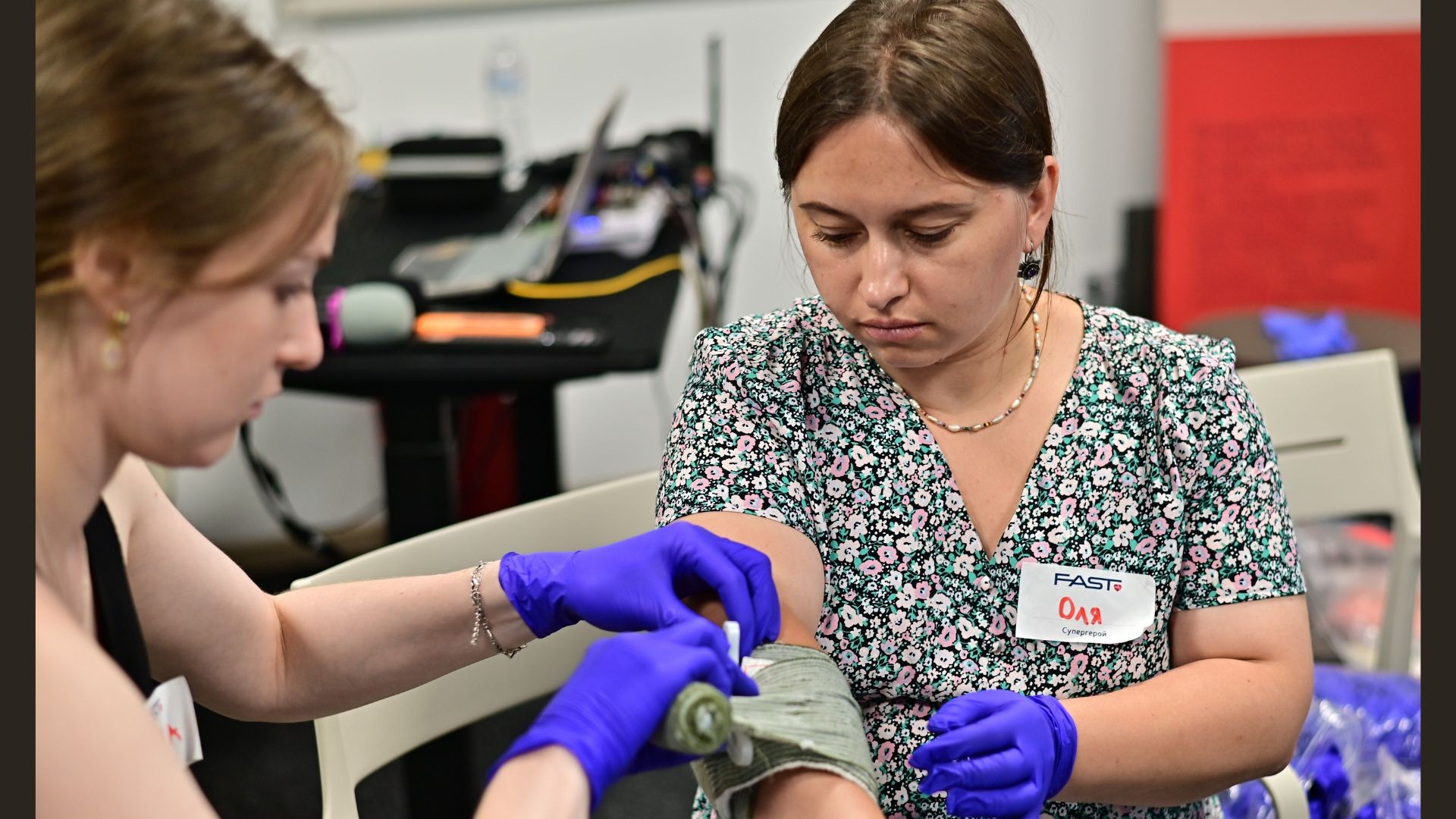
According to her, museums are places that welcome large numbers of people every day, so staff need to be ready to correctly assess a person’s condition, call for help, and take the necessary actions without causing harm.
Partnership Between the Foundation and the Museum
According to Artem Mykolaichuk, Chairman of the Board of the Pylyp Orlyk Foundation, first aid knowledge is essential for every Ukrainian today, and it takes on special importance for museum workers.
“In these difficult times, it is extremely important for everyone to know the basics of first aid. Unfortunately, museums often become targets of Russian attacks, as the enemy seeks to destroy not only our people but also to erase our culture and identity. That is precisely why it is essential for us that museum staff be able to provide first aid and save lives,” emphasized Artem Mykolaichuk.
The training continues the cooperation between the National Museum of the History of Ukraine and the Pylyp Orlyk Foundation, which began this year with the signing of a Memorandum of Cooperation. The partnership has already brought together cultural and educational projects — including the opening of the exhibition “The Path of Heroes. In Memory of Symon Petliura”. These are now joined by initiatives aimed at making the museum space not only a place for preserving history but also a space where people are ready to help one another in a critical moment.


