
Opening the event, Program Director of the Pylyp Orlyk Foundation, Yaryna Yasinevych, emphasized that Ukraine not only has the most extensive experience in countering Russia, but also bears the responsibility to help partners and allies understand it as it truly is.
Chairman of the Board of the Pylyp Orlyk Foundation, Artem Mykolaichuk, stressed that studying Russia today is a matter of security — not only in relation to the state itself, but also to Russian networks and actors beyond its borders.
“Studying Russia is critically important. Knowing your enemy is one of the most important things we can do today. And we must study not only the enemy within Russia, but also the enemy outside of it — all those so-called ‘good Russians.’ Figures like Yashin and Kara-Murza travel around the world, creating the illusion of some alternative liberal government — just as it happened after the collapse of the USSR with Yeltsin, and we all know how that ended. We must not allow history to repeat itself.”
He also highlighted the #unrussiaUN initiative, which raises the issue of Russia’s unlawful presence in the United Nations and the UN Security Council. According to him, one of the Foundation’s priorities is to draw international attention to this issue, build a coalition, and consistently work toward restoring justice in international law.
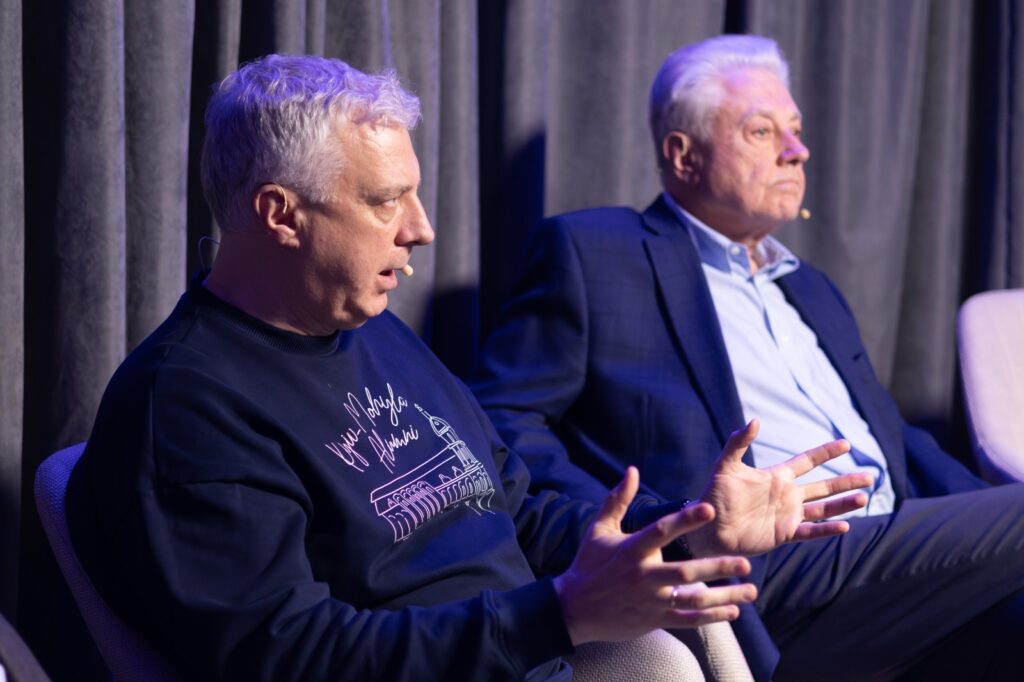
Rector of the National University of Kyiv-Mohyla Academy, Doctor of Philology and Professor Serhiy Kvit, noted that Ukrainian expertise on Russia must be grounded in Ukraine’s own experience rather than external interpretative frameworks. He emphasized that the problem with traditional Russian studies lies in attempts to explain Russia through rational models that do not apply in its case.
“In the West, there is an attempt to rationally explain irrational phenomena, but Russia is driven by a mythological mindset.”
Serhiy Kvit also stressed that studying Russia must be based on the analysis of real processes — in society, the economy, and the media — as well as an understanding of identity, which shapes its behavior.

Maria Kucherenko, analyst at the Come Back Alive Initiative Center and researcher of Russian elites and security services, stated that Russian studies in Ukraine are no longer a subject of the future but a practical response to the ongoing war.
“The future of Russian studies in Ukraine is not ahead of us — it is already here.”
According to her, modern Russia cannot be understood without analyzing its security structures, economic interests, and global influence strategies, and Ukraine’s experience of resistance is a crucial contribution to European and global security.


The discussion also featured Volodymyr Yelchenko, diplomat, former Permanent Representative of Ukraine to the UN and former Ambassador of Ukraine to the United States, and Jan Šír, Czech political scientist, lecturer at Charles University, and researcher of Russia, Ukraine, and the post-Soviet space.
The discussion was moderated by Oleksandr Bazar, an expert at the Kyiv Institute for National Interest.
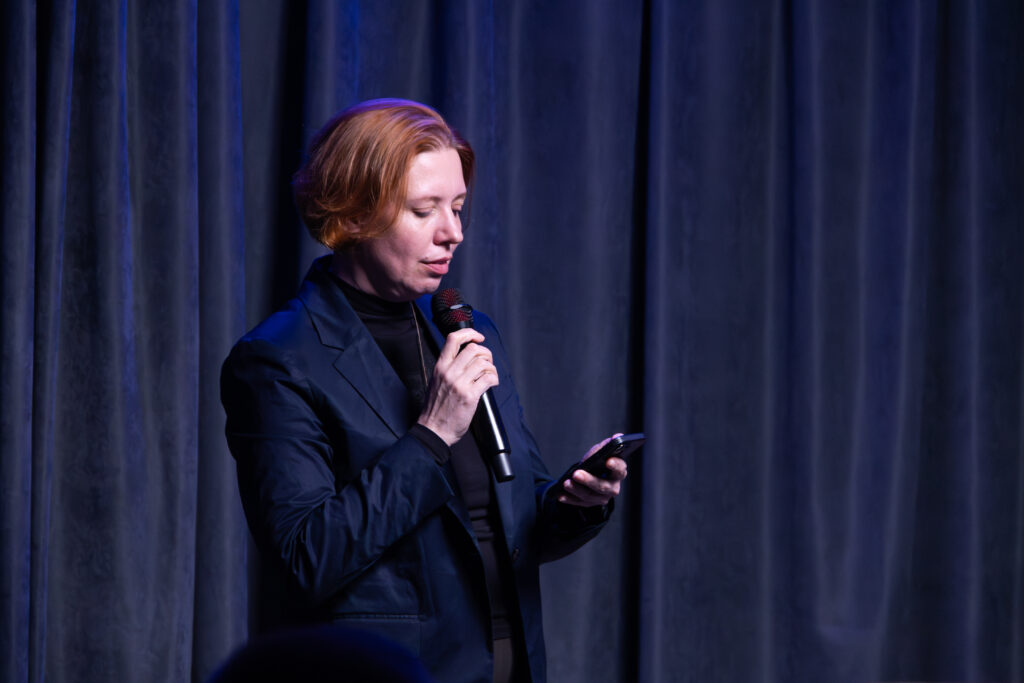
Summarizing the event, Program Director Yaryna Yasinevych emphasized the importance of ensuring that discussions about Russia extend beyond expert circles and contribute to shaping a new generation of Ukrainian professionals:
“For us, it is important not only to study Russia, but also to cultivate a new generation of people who will be able to apply this knowledge. That is why we are launching an essay competition ‘Is It Possible to Expel Russia from the UN?’ as an invitation to a professional discussion. The #unrussiaUN initiative is part of a broader, systematic effort to counter Russia at the international level.”
In particular, this includes a nationwide student essay competition titled “Is It Possible to Expel Russia from the UN?”, organized by the Pylyp Orlyk Foundation in cooperation with the Educational and Scientific Institute of International Relations of Taras Shevchenko National University of Kyiv
You can listen to the audio recording of the event at the following link: Rethinking Russia: How to Study an Existential Enemy


