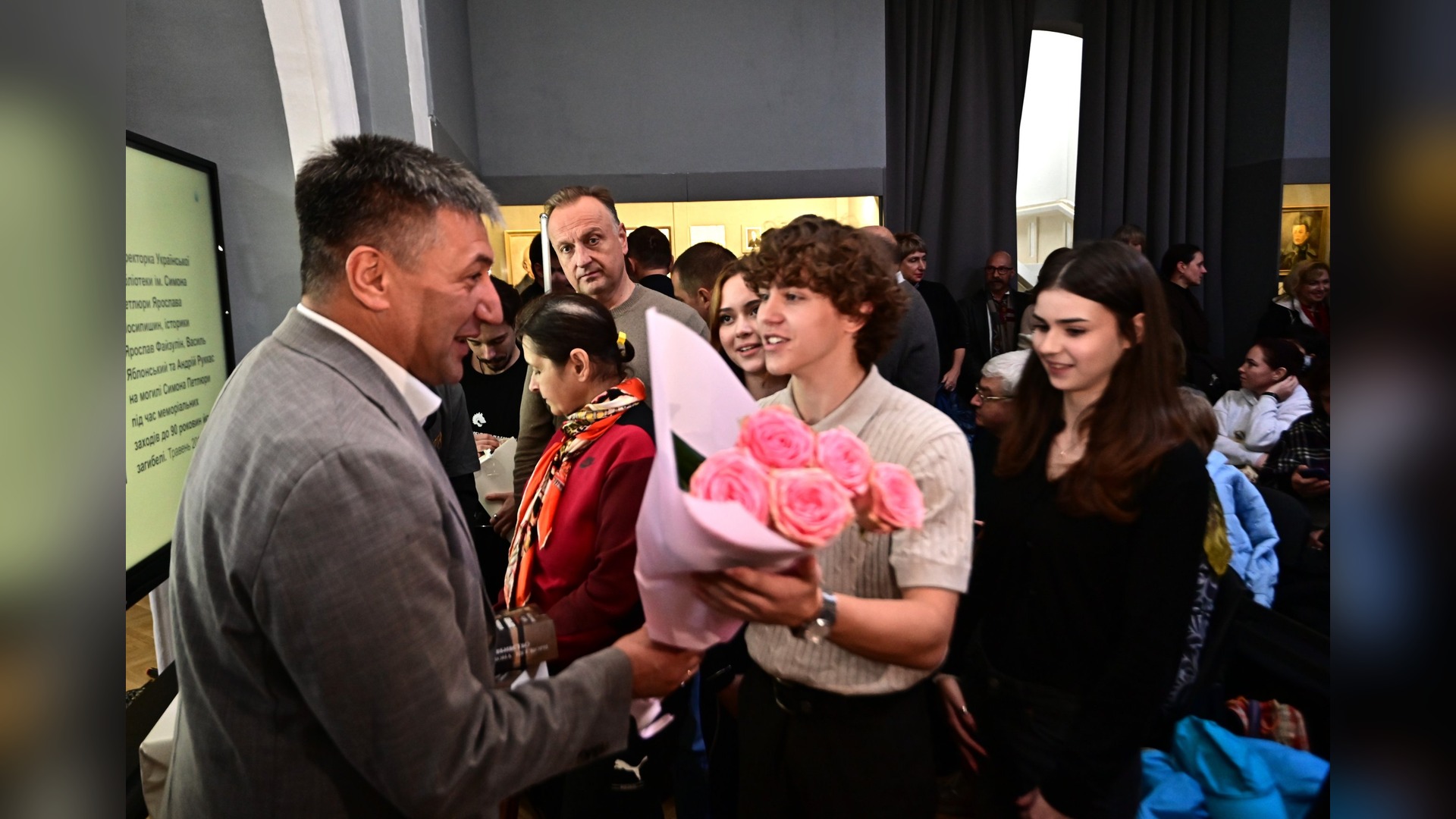
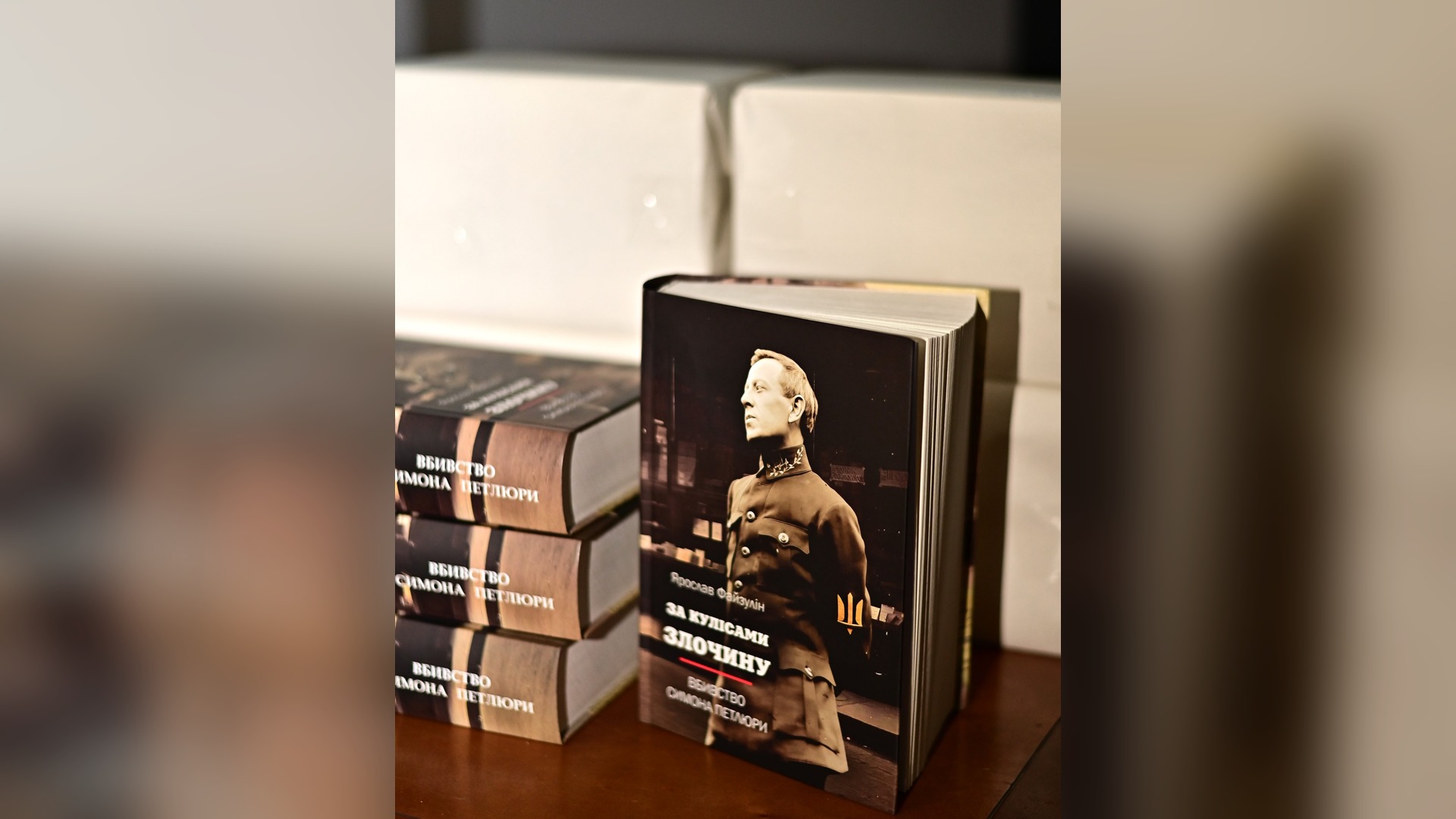
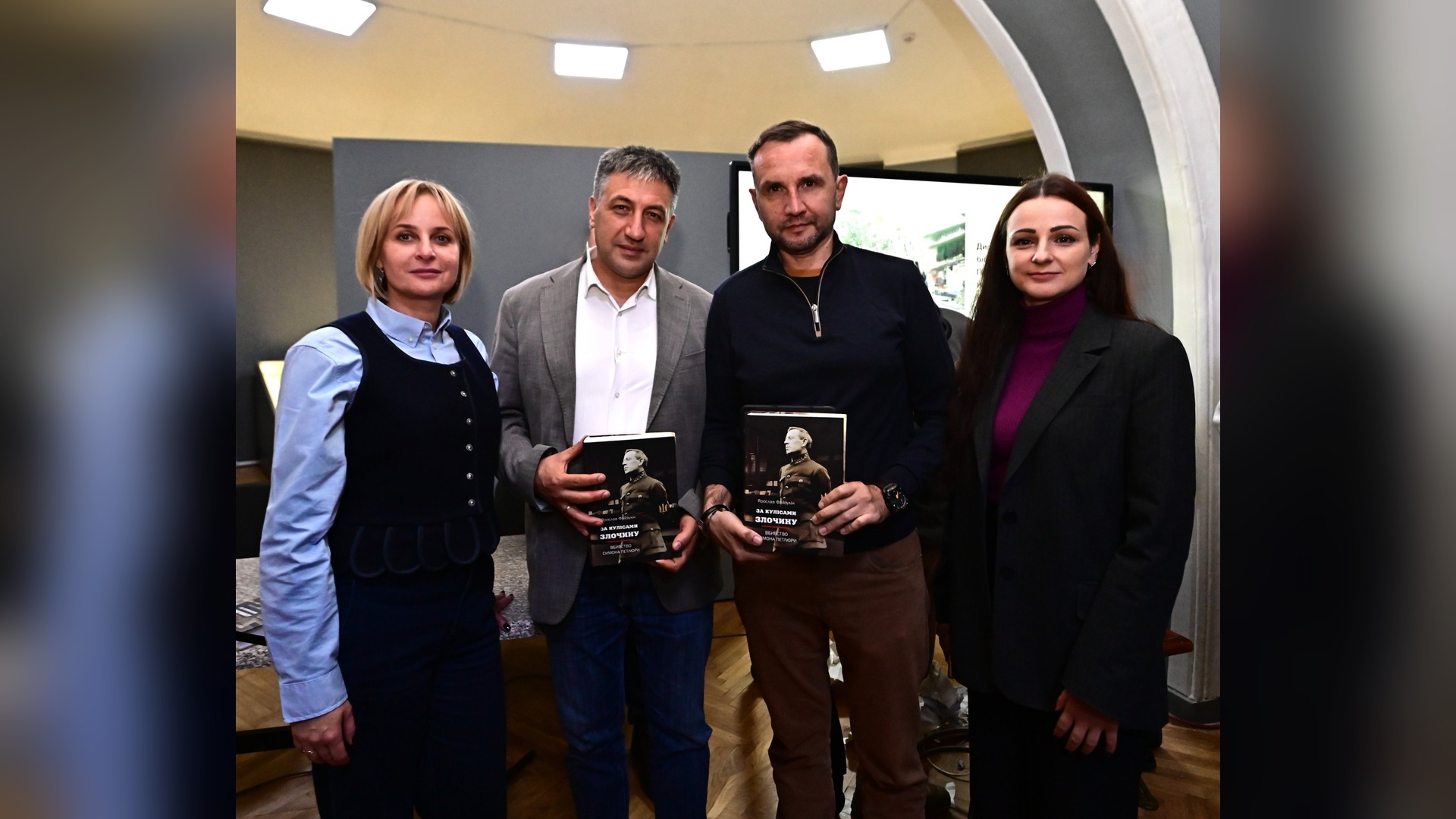
The book is the result of ten years of work with archival documents, eyewitness testimonies and the press of the time. Yaroslav Faizulin examined the circumstances of the assassination of the Head of the Directorate of the UNR and Chief Otaman of the UNR Army and Navy in Paris in 1926, the course of the investigation and the trial of the killer, Samuel Schwartzbard.
“In the early 1920s, Symon Petliura was enemy number one for the Soviet authorities,” emphasized Yaroslav Faizulin.
According to the historian, Petliura continued the struggle for Ukrainian statehood even after the defeat of the Ukrainian Revolution, insisting on preserving the army, state institutions and the diplomatic activity of the UNR in exile. This, along with his influence on the Ukrainian insurgent movement, made him dangerous to the Bolshevik authorities.
The author paid particular attention to the circumstances of the assassination and the Paris trial, during which Petliura found himself at the center of a campaign of accusations of pogroms. Faizulin examined testimonies about Schwartzbard’s possible ties to the Soviet secret services, while stressing that there is still no definitive answer to the question of his status as an agent.
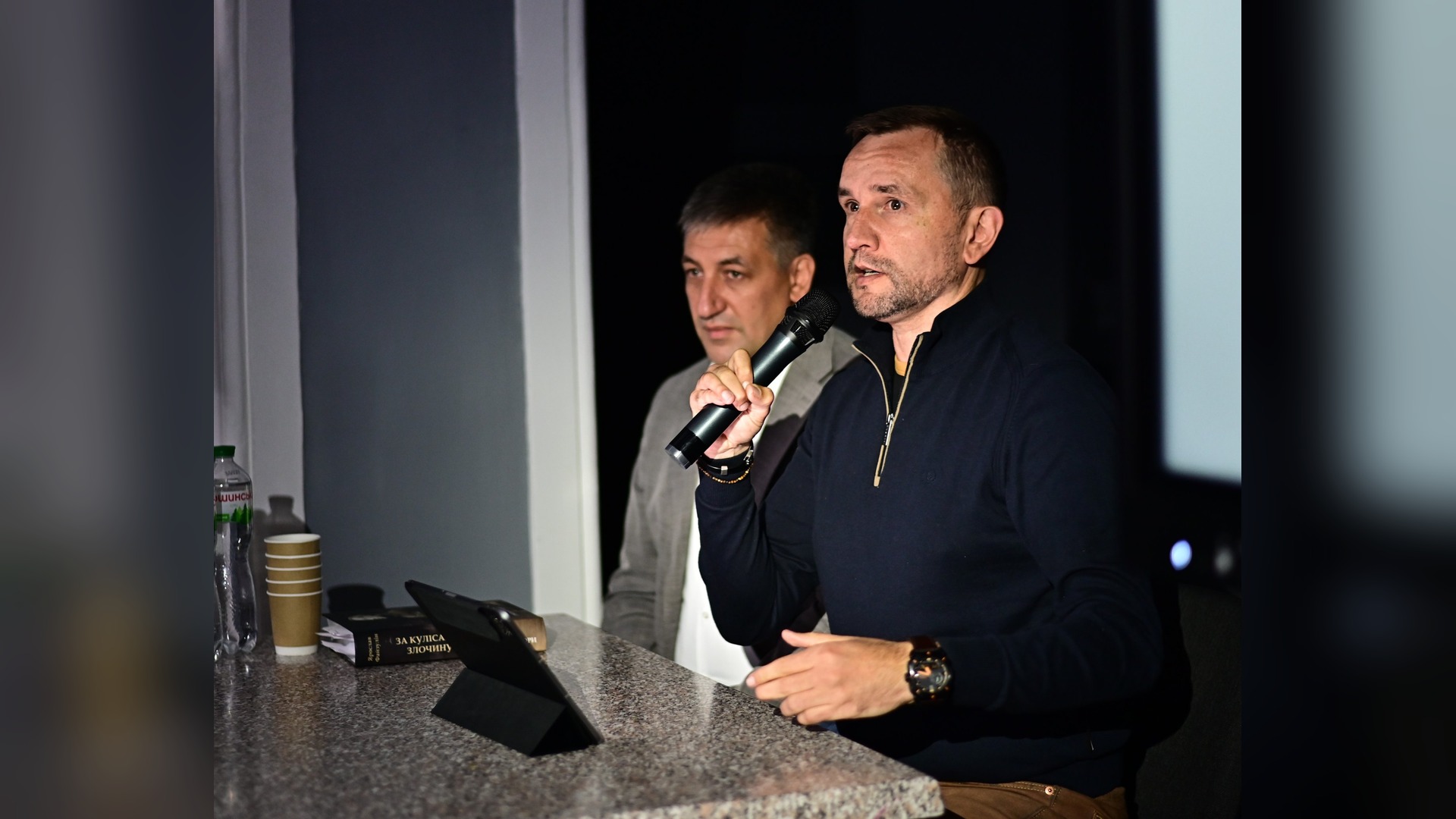
Historian Volodymyr Viatrovych drew attention to the informational dimension of the case and its relevance for understanding Russian methods of discrediting the Ukrainian liberation movement. According to him, the trial turned into an instrument of information warfare, and its consequences are still felt today.
“Essentially the same frames, the same methods have been used to this day,” the historian noted, drawing parallels between the campaigns against Petliura in the 1920s and modern Russian propaganda against Ukraine.
The event concluded with a musical program by the ensemble “Khoreia Kozatska” led by Taras Kompanichenko. In the hall of the exhibition “Path of Heroes. In Memory of Symon Petliura”, the musicians performed riflemen’s, insurgent and recruit songs, as well as military marches reconstructed from archival sheet music and songbooks of the time. The program was dedicated to the era of the Ukrainian liberation struggle.
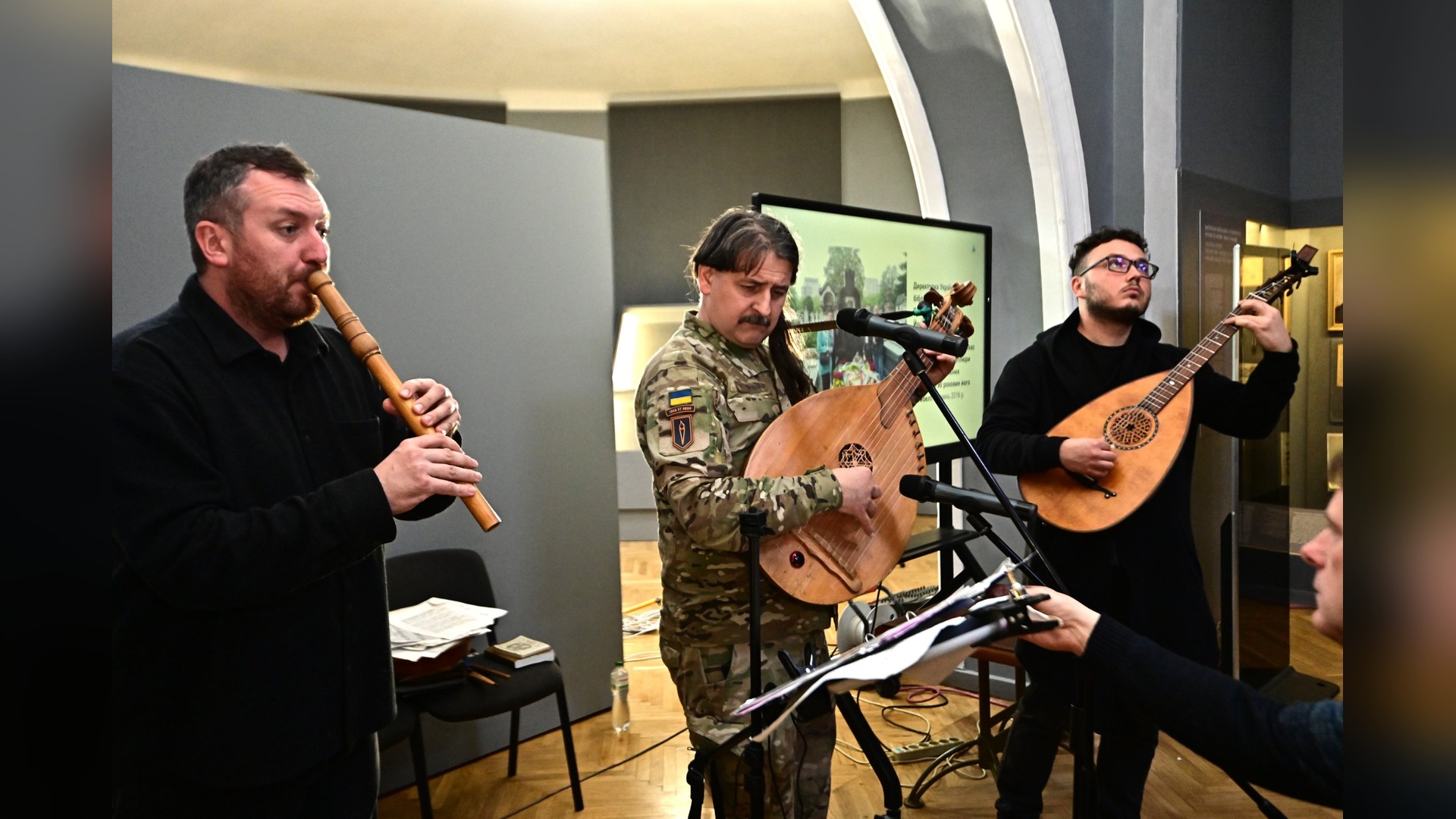
The presentation combined a historical discussion with a musical reconstruction, offering a chance to look at the assassination of Symon Petliura not only as a separate crime, but also as an event that influenced the international perception of the Ukrainian liberation movement and the struggle for independence.